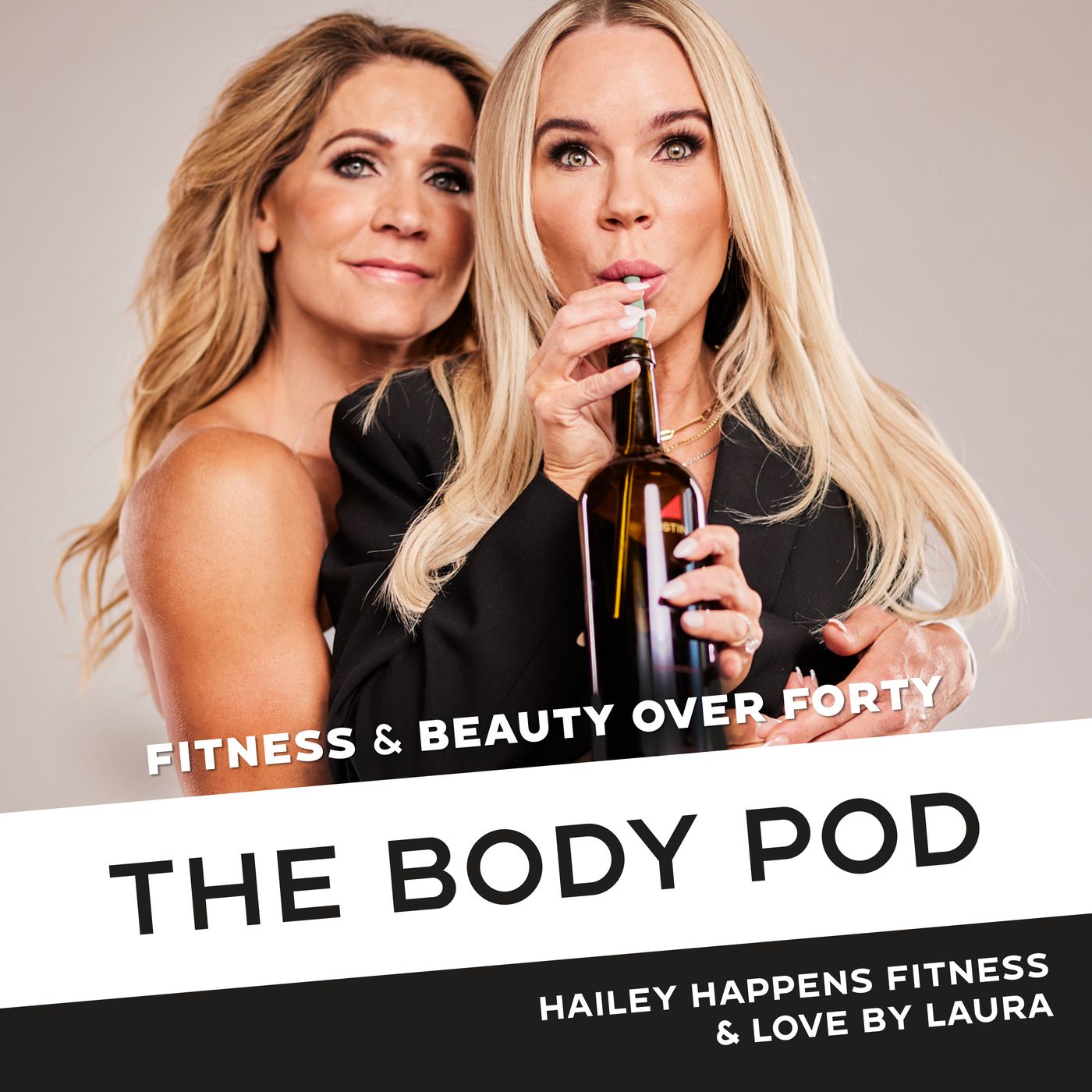
Why You Can't Sleep: The Science of Insomnia, Hormones, and How to Fix Your Sleep for Good with Dr. Aric Prather
Dr. Prather breaks down exactly what happens to your body and brain during sleep, walking us through the critical stages of sleep — from light sleep and deep slow-wave sleep to REM sleep — and why each stage matters more than you might think. He explains why your Oura Ring or Apple Watch sleep data might be stressing you out more than helping you, and how to actually use wearable sleep tracking data to your advantage without spiraling into what researchers call "orthosomnia."
We dive deep into insomnia and what it actually means clinically, how many people truly have it, and why so many women in midlife and the menopausal transition experience some of the worst sleep disruptions of their lives. Dr. Prather explains the powerful hormonal, psychological, and lifestyle factors at play, from fluctuating estrogen and hot flashes to peak career stress, caregiving demands, and revenge bedtime procrastination.
Most importantly, Dr. Prather walks us through Cognitive Behavioral Therapy for Insomnia, or CBTI — the gold standard, evidence-based treatment that works better than medication for over 70% of people — and shares the exact behavioral strategies that his patients use to reclaim their sleep without pills. From setting a consistent wake-up time seven days a week, to understanding your homeostatic sleep drive, to why spending too much time in bed is actually making your insomnia worse, this episode is packed with practical, science-backed tools you can start using tonight.
Whether you've struggled with sleep for years or are just starting to notice changes in your sleep quality as you get older, Dr. Prather leaves you with real hope — and a very clear message: sleep is in there, your body knows how to do it, and sometimes the best thing you can do is just get out of your own way.
Be First in Line for Shred Happens: Our popular 6-week challenge for shredding fat and building muscle starts October 18. You get a personalized calorie/macro budget, live Q&A calls with experts, workouts for both gym and home, prize giveaways and an incredible community of women doing it along with you. Save Your Spot →
Hailey Happens Fitness Membership is my full training system in your back pocket. Join with a Yearly Plan to design a training year that fits your midlife goals and body.
Start training with a 10-day free trial →
You May Also Like

I Choose Me with Jennie Garth
iHeartPodcasts
Por el Placer de Vivir con el Dr. Cesar Lozano
Uforia Podcasts
Commune with Jeff Krasno
Commune

Rain Sounds
Rain Sounds

Vitality Unleashed: The Functional Medicine Podcast
Dr. Kumar from LifeWellMD.com

Guided Meditation
Guided Meditation

Daily Meditation
Daily Meditation Club

The Real Truth About Health Free 17 Day Live Online Conference Podcast
Lloyd Burrell, Keith Block M.D., Jeffrey Smith, Michael Klaper M.D., Ralph Moss, Brenda Davis R.D., Mark Sloan, Gerald Posner, Ian Harris M.D., Neil Barnard M.D., Will Tuttle Ph.D., John McDougall M.D., Pam Popper Ph.D., Gabriel Cousens M.D., Brian Clement Ph.D., Anna Maria Clement Ph.D., Marianne W

Strictly Anonymous Confessions
Kathy Kay

The Kris Krohn Show
Kris Krohn
I Choose Me with Jennie Garth
iHeartPodcasts
Por el Placer de Vivir con el Dr. Cesar Lozano
Uforia Podcasts
Commune with Jeff Krasno
Commune
Rain Sounds
Rain Sounds
Vitality Unleashed: The Functional Medicine Podcast
Dr. Kumar from LifeWellMD.com
Guided Meditation
Guided Meditation
Daily Meditation
Daily Meditation Club
The Real Truth About Health Free 17 Day Live Online Conference Podcast
Lloyd Burrell, Keith Block M.D., Jeffrey Smith, Michael Klaper M.D., Ralph Moss, Brenda Davis R.D., Mark Sloan, Gerald Posner, Ian Harris M.D., Neil Barnard M.D., Will Tuttle Ph.D., John McDougall M.D., Pam Popper Ph.D., Gabriel Cousens M.D., Brian Clement Ph.D., Anna Maria Clement Ph.D., Marianne W
Strictly Anonymous Confessions
Kathy Kay
The Kris Krohn Show
Kris Krohn
Community discussion