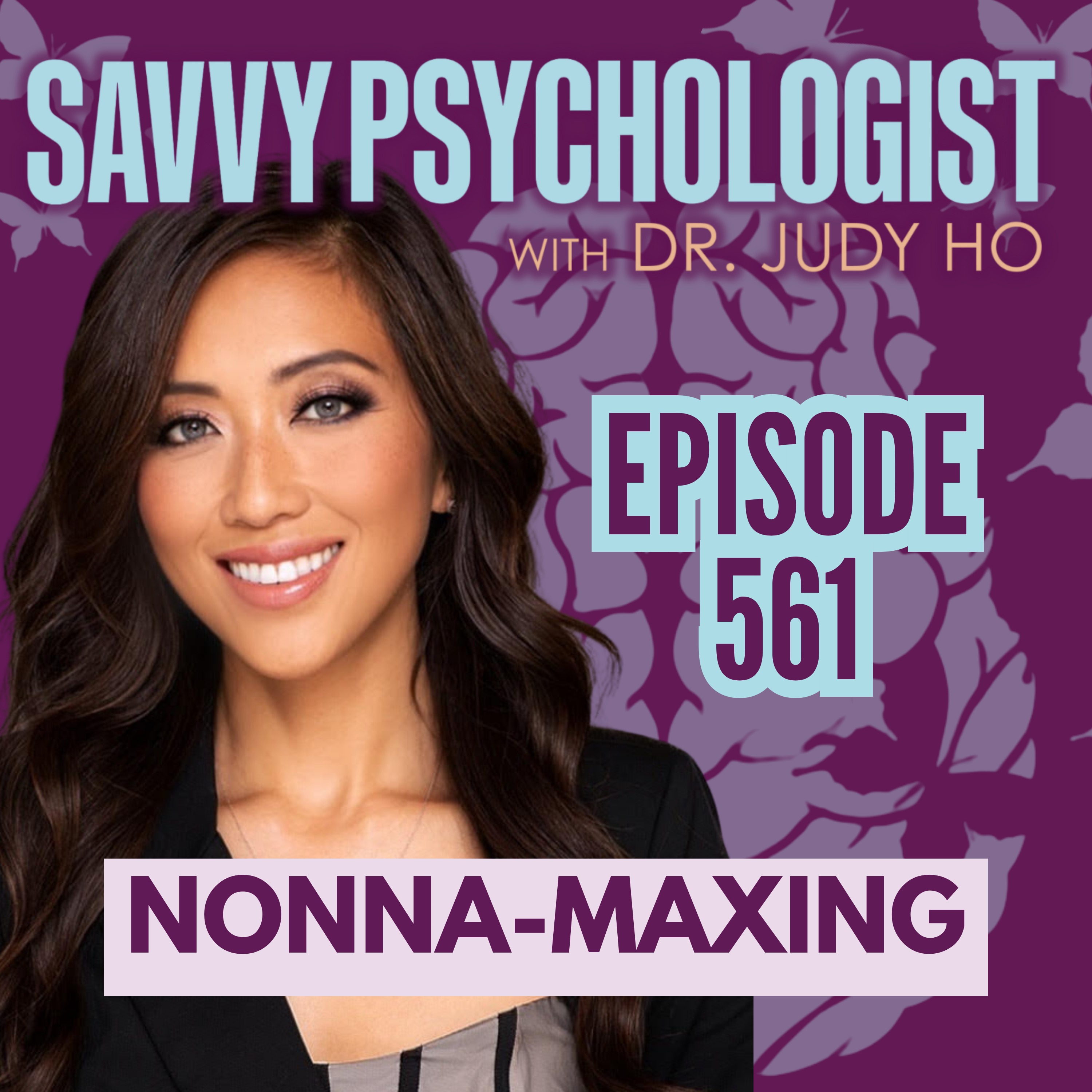
The psychology of slow living: Why slowing down is actually good for your brain
561. People are baking sourdough, taking up needlepoint, going on phone-free walks, and joining knitting circles — and experts say it's one of the healthiest things they could be doing. This week, Dr. Judy Ho unpacks the neuroscience behind the slow living trend: why tactile, analog hobbies are a clinically meaningful antidote to urgency culture and digital burnout, what 'flow state' actually is and how it heals the brain, and how to build your own version of a slower life starting today.
Have a mental health question? Email Dr. Judy's team at at [email protected]
Find Savvy Psychologist on Facebook and subscribe to the newsletter for more psychology tips.
Watch on YouTube: www.youtube.com/@SavvyPsychologist
More from Dr. Ho on her other channels:
Dr. Ho's website, Substack, LinkedIn.
Savvy Psychologist is a part of Quick and Dirty Tips. Find a transcript at QuickandDirtyTips.com.
Hosted on Acast. See acast.com/privacy for more information.
You May Also Like
Free & Well: Overcome Anxiety, Stress & Overwhelm & Grow Your Confidence With Mental Health & Faith Based Practices
Devoney Kodad, Anxiety Therapist, Self Confidence Coach & Christian Yoga Teacher

The Real Truth About Health Free 17 Day Live Online Conference Podcast
Lloyd Burrell, Keith Block M.D., Jeffrey Smith, Michael Klaper M.D., Ralph Moss, Brenda Davis R.D., Mark Sloan, Gerald Posner, Ian Harris M.D., Neil Barnard M.D., Will Tuttle Ph.D., John McDougall M.D., Pam Popper Ph.D., Gabriel Cousens M.D., Brian Clement Ph.D., Anna Maria Clement Ph.D., Marianne W
Boring Books for Bedtime Readings to Help You Sleep
Sharon Handy
The Dr. John Delony Show
Ramsey Network
Thunderstorm Ambience
Sol Good Media

Nature ASMR Sounds
Sol Good Media

Calm Raindrops
Sol Good Network

Nature Sounds - Rain
Sol Good Network

Sol Good Sounds
Sol Good Network
Law of Attraction Lectures
Sol Good Network
Free & Well: Overcome Anxiety, Stress & Overwhelm & Grow Your Confidence With Mental Health & Faith Based Practices
Devoney Kodad, Anxiety Therapist, Self Confidence Coach & Christian Yoga Teacher
The Real Truth About Health Free 17 Day Live Online Conference Podcast
Lloyd Burrell, Keith Block M.D., Jeffrey Smith, Michael Klaper M.D., Ralph Moss, Brenda Davis R.D., Mark Sloan, Gerald Posner, Ian Harris M.D., Neil Barnard M.D., Will Tuttle Ph.D., John McDougall M.D., Pam Popper Ph.D., Gabriel Cousens M.D., Brian Clement Ph.D., Anna Maria Clement Ph.D., Marianne W
Boring Books for Bedtime Readings to Help You Sleep
Sharon Handy
The Dr. John Delony Show
Ramsey Network
Thunderstorm Ambience
Sol Good Media
Nature ASMR Sounds
Sol Good Media
Calm Raindrops
Sol Good Network
Nature Sounds - Rain
Sol Good Network
Sol Good Sounds
Sol Good Network
Law of Attraction Lectures
Sol Good Network
Community discussion