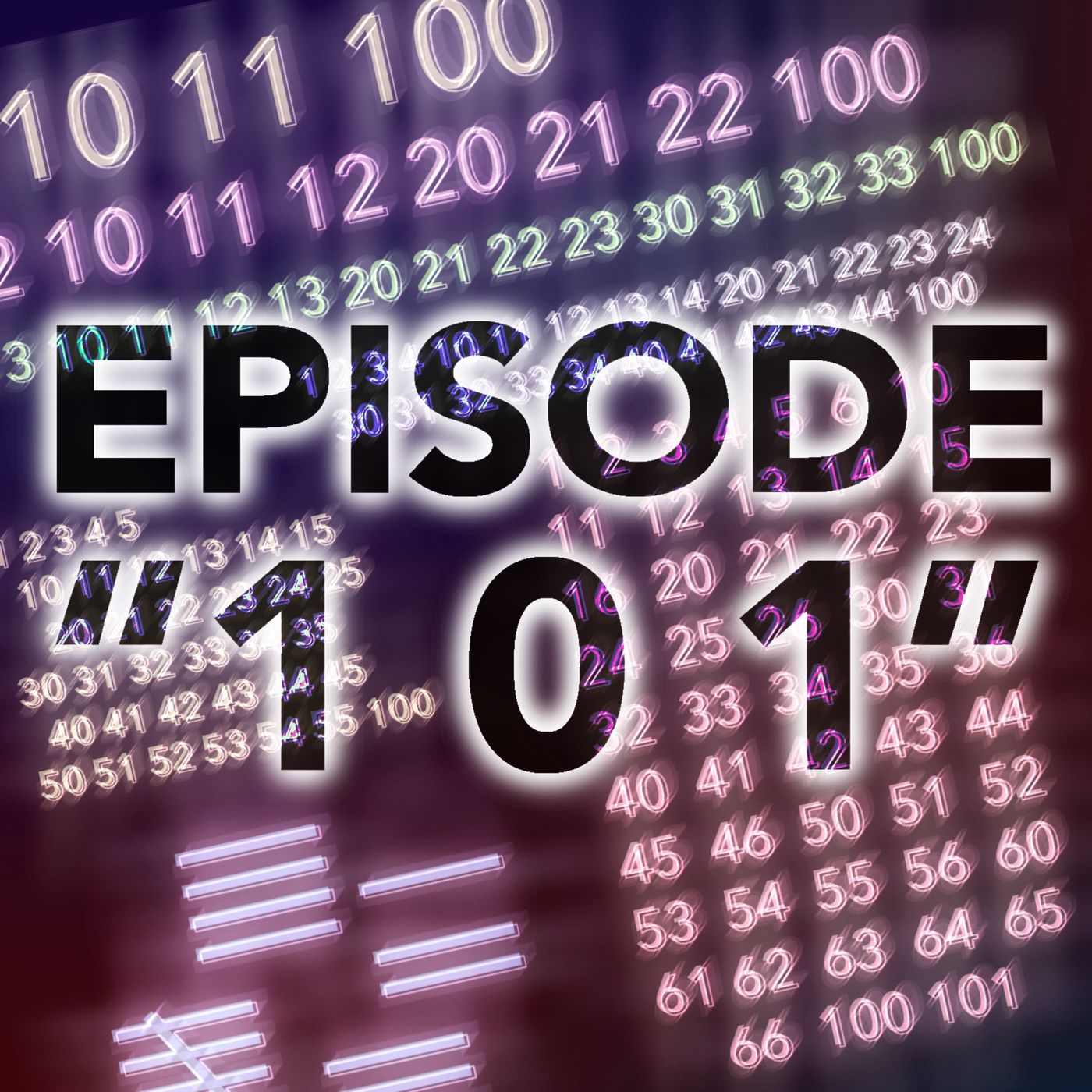
50: Episode "101" (Bases)
Numbering was originally done with tally marks: the number of tally marks indicated the number of items being counted, and they were grouped together by fives. A little later, people wrote numbers down by chunking the number in a similar way into larger numbers: there were symbols for ten, ten times that, and so forth, for example, in ancient Egypt; and we are all familiar with the Is, Vs, Xs, Ls, Cs, and Ds, at least, of Roman numerals. However, over time, several peoples, including the Inuit, Indians, Sumerians, and Mayans, had figured out how to chunk numbers indefinitely, and make numbers to count seemingly uncountable quantities using the mind, and write them down in a few easily mastered motions. These are known as place-value systems, and the study of bases has its root in them: talking about bases helps us talk about what is happening when we use these magical symbols.
You May Also Like

Eye On The Sky
Vermont Public

Native Plants, Healthy Planet
Pinelands Nursery, Bleav

Environmental Professionals Radio (EPR)
Nic Frederick and Laura Thorne

Climate One
Climate One from The Commonwealth Club

BirdNote Daily
BirdNote

Drilled
Pushkin Industries

Engines of Our Ingenuity
Houston Public Media

Sternengeschichten
Florian Freistetter

Vetenskapsradion Nyheter
Sveriges Radio

De Universiteit van Nederland Podcast
Universiteit van Nederland
Eye On The Sky
Vermont Public
Native Plants, Healthy Planet
Pinelands Nursery, Bleav
Environmental Professionals Radio (EPR)
Nic Frederick and Laura Thorne
Climate One
Climate One from The Commonwealth Club
BirdNote Daily
BirdNote
Drilled
Pushkin Industries
Engines of Our Ingenuity
Houston Public Media
Sternengeschichten
Florian Freistetter
Vetenskapsradion Nyheter
Sveriges Radio
De Universiteit van Nederland Podcast
Universiteit van Nederland
Community discussion