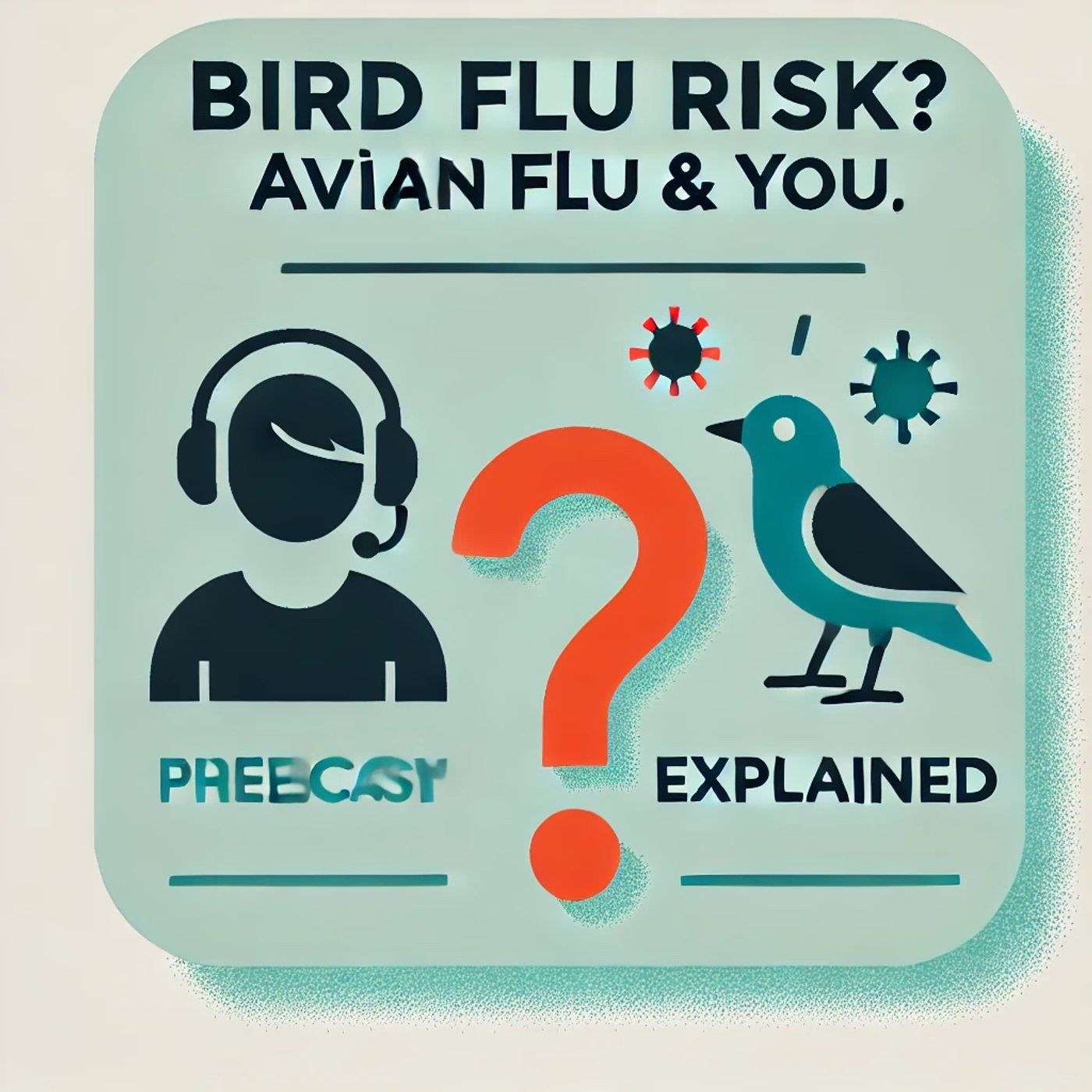
Bird Flu Risk Explained: Who Needs to Worry and How to Stay Safe from Avian Influenza Transmission
Welcome to Bird Flu Risk? Avian Flu & You, Explained. Today, we break down just how worried you really need to be about bird flu, and help you understand your personal risk—no guesswork, just facts. First, who is at risk? According to the CDC and recent reviews from groups like the World Health Organization, your chance of getting bird flu largely depends on your exposure. Poultry workers, dairy workers, veterinarians, those who cull or process birds, farm responders, laboratory staff, and hunters of wild birds sit at the top of the list. If your job or hobby brings you into repeated, close contact with birds or dairy cattle—especially where infection has been reported—your risk goes from low in the general population to low or moderate, depending on safety steps in place. Location matters too. According to the CDC, risk is higher if you live or work where bird flu outbreaks are ongoing. In the US right now, the risk for the general public is considered low, but those working with poultry, dairy cattle, or wild birds in regions where outbreaks are confirmed should step up precautions. The African, Southeast Asian, and Middle Eastern regions, with frequent human-bird contact, also see higher risks among both workers and backyard flock owners. Your age and health status play a role. Older adults are more likely to have severe disease if infected, as are people with chronic health conditions. Underlying heart, lung, or immune system problems increase the likelihood of complications. Young children tend to have the lowest risk, though any severe flu can be serious for any age. Let’s do a quick risk calculator together. - If you’re a healthy adult living in the suburbs with no contact with poultry or dairy cattle: your risk is extremely low. - If you help on a poultry farm, especially with flocks where bird flu has hit? That’s low to moderate risk—wearing proper personal protective equipment is a must. - Over 65, immunocompromised, or have chronic health conditions and work directly with birds? Your risk of severe illness, if infected, is higher—even though community transmission remains rare. Public health authorities like the CDC and WHO stress that human cases are still only found in people with direct animal contact. There’s no evidence of sustained person-to-person spread, nor risk from properly cooked foods. For high-risk listeners: always follow safety protocols. That means gloves, masks, and eye protection when around birds or dairy cattle in outbreaks, and prompt handwashing. Clean and disinfect surfaces, and avoid touching your face. Early treatment matters if you feel sick—seek care immediately if you work with birds and develop fever or flu-like symptoms. For everyone else: the risk is extremely low. There’s no need to worry about catching bird flu in your daily life, at the grocery store, or from pets. Stay informed, but let facts guide you—not fear. A great decision-making rule: if your occupation or hobby means frequent, unprotected contact with birds or dairy animals, be vigilant and use protection. Otherwise, practice standard hygiene and enjoy everyday activities as usual. Thanks for tuning in to Bird Flu Risk? Avian Flu & You, Explained. We hope this helps you make sense of your personal risk. Join us again next week for more, and remember, this has been a Quiet Please production. For more, visit QuietPlease Dot A I. For more http://www.quietplease.ai Get the best deals https://amzn.to/3ODvOta This content was created in partnership and with the help of Artificial Intelligence AI
You May Also Like

BirdNote Daily
BirdNote

The Grave Talks | Haunted, Paranormal & Supernatural
Ghost Stores, Haunted, Paranormal & Supernatural Stories

懂心理,調出好關係 《Healthy Relationship》
姜尚文心理師,朴世光心理師

Chris Skinner's Countryside Podcasts
High Ash Farm

Real Ghost Stories Online
Real Ghost Stories Online | Paranormal, Supernatural & Horror Radio
Life, Death, and Taxonomy
Life, Death, and Taxonomy

Fallo de sistema
Radio 3
The Art of Range
Tip Hudson
Arroe Collins Forest Stories
Arroe Collins

Vida Eterna. Respuestas desde la Ciencia | Dr. Manuel Sans Segarra
Dr. Manuel Sans Segarra
BirdNote Daily
BirdNote
The Grave Talks | Haunted, Paranormal & Supernatural
Ghost Stores, Haunted, Paranormal & Supernatural Stories
懂心理,調出好關係 《Healthy Relationship》
姜尚文心理師,朴世光心理師
Chris Skinner's Countryside Podcasts
High Ash Farm
Real Ghost Stories Online
Real Ghost Stories Online | Paranormal, Supernatural & Horror Radio
Life, Death, and Taxonomy
Life, Death, and Taxonomy
Fallo de sistema
Radio 3
The Art of Range
Tip Hudson
Arroe Collins Forest Stories
Arroe Collins
Vida Eterna. Respuestas desde la Ciencia | Dr. Manuel Sans Segarra
Dr. Manuel Sans Segarra
Community discussion