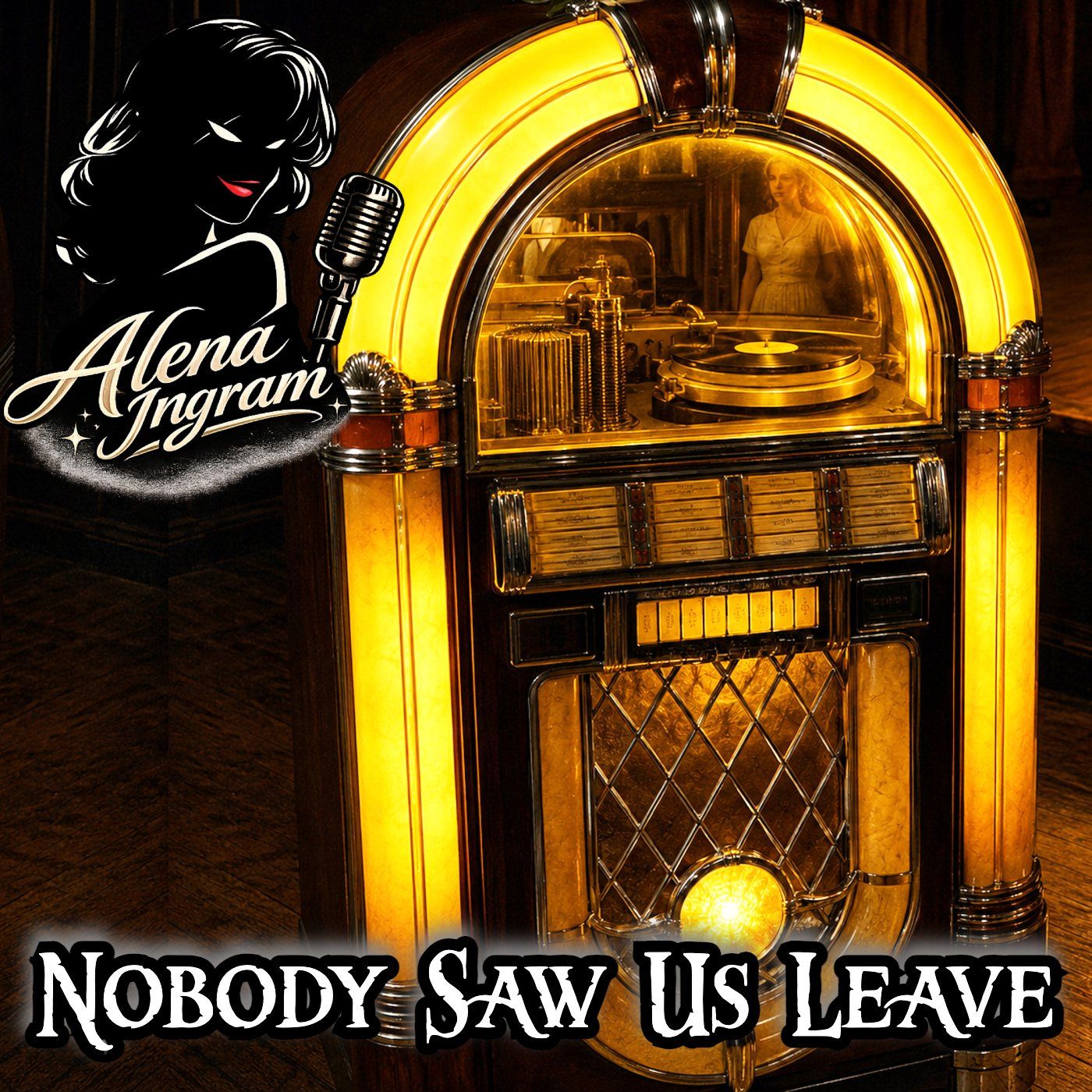
SONG SYNOPSIS: She finishes her shift at the switchboard at ten and doesn't call home afterward, which is the first thing anybody notices. It's a Thursday in June of 1948, it's her first date with a lineman from the telephone company, and they spend it working through the taverns on the east side and the south side of a small Illinois river town. He's twenty-eight and she's seventeen, and by every account that ever surfaced, the eleven years between them didn't trouble her. Around eleven-thirty they leave the roadhouse on the south edge of town, the last stop anybody could name, and drive out toward the lovers' lane on County Farm Road; nobody who saw them go was ever found. A highway worker spots a shoe at the edge of the pavement the next morning and finds him in the ditch beside it. She lies five days in the weeds along the sand-plant road before a truck driver, sitting high enough in his cab to see down over the grass, catches sight of her. Neither killing was ever charged, and the county's own case file went empty somewhere in the decades after. The last hours belong to her: the wedding ring her mother gave her, still on her finger, and a cigarette stained with lipstick sitting on the floorboard of his Buick a mile north of the lane.
SONG INSPIRATION: On a Thursday night in June of 1948, seventeen-year-old switchboard operator Mary Jane Reed went out on a first date with Stanley Skridla, a twenty-eight-year-old telephone lineman, and the two of them worked through the taverns of Oregon, Illinois. He was found the next morning in a ditch along the local lovers' lane, shot five times. She turned up five days later, two miles away, shot once in the head. Nobody was ever charged, and the case file emptied out somewhere in the decades after. When her brother finally got the grave opened fifty-seven years on, the forensic anthropologist his family hired reported that the skull in the casket had belonged to someone else. Hers has never been found. The roadhouse where the two of them spent that last evening is still pouring drinks, and the people who work there have plenty to say about the jukebox. Read the full story at
https://weirddarkness.com/mary-jane-reed/ABOUT ALENA INGRAM: Alena Ingram is a solo vocalist on Weird Darkness Records – a voice built for the years between 1945 and 1965. Smoky, gravel-edged, and all attitude, she sings like she knows more than she's letting on. Sultry, guarded, and just a little dangerous, she doesn't have a single mood so much as a single presence: she becomes whatever the song needs. Candlelit lounge or packed ballroom, if it lives somewhere in those two decades, it sounds like it was waiting for her.
NOBODY SAW US LEAVE
by Alena Ingram
[VERSE]
Ten o'clock, the switchboard set me free,
Hung the headset on the wall.
He was standing there waiting for me.
I forgot to make my call.
[POST VERSE]
I bought the second round myself,
He never asked me twice.
They'll say I should have known better
They can keep their advice!
[PRE CHORUS]
What happened to me, poor Mary Jane?
Found bloodied on that lover’s lane!
[CHORUS]
Nobody saw us leave that night,
The barkeep turned to pour.
The band kept time, the room stayed bright,
Can we please dance just once more?
Nobody saw us leave,
Nobody knows why I'm gone.
Now I'm the cold that you receive,
Now I'm the record playing on.
[POST CHORUS]
Nobody saw us leave that night...
Nobody saw us leave.
NOBODY! SAW! US! LEAVE!
[VERSE]
Half past eleven, I followed on his arm,
The lot was almost bare.
He drove us out past the county farm.
I wasn't going anywhere.
[POST VERSE]
A stranger with a gun in his hand,
I never saw him plain.
Five shots went into my...