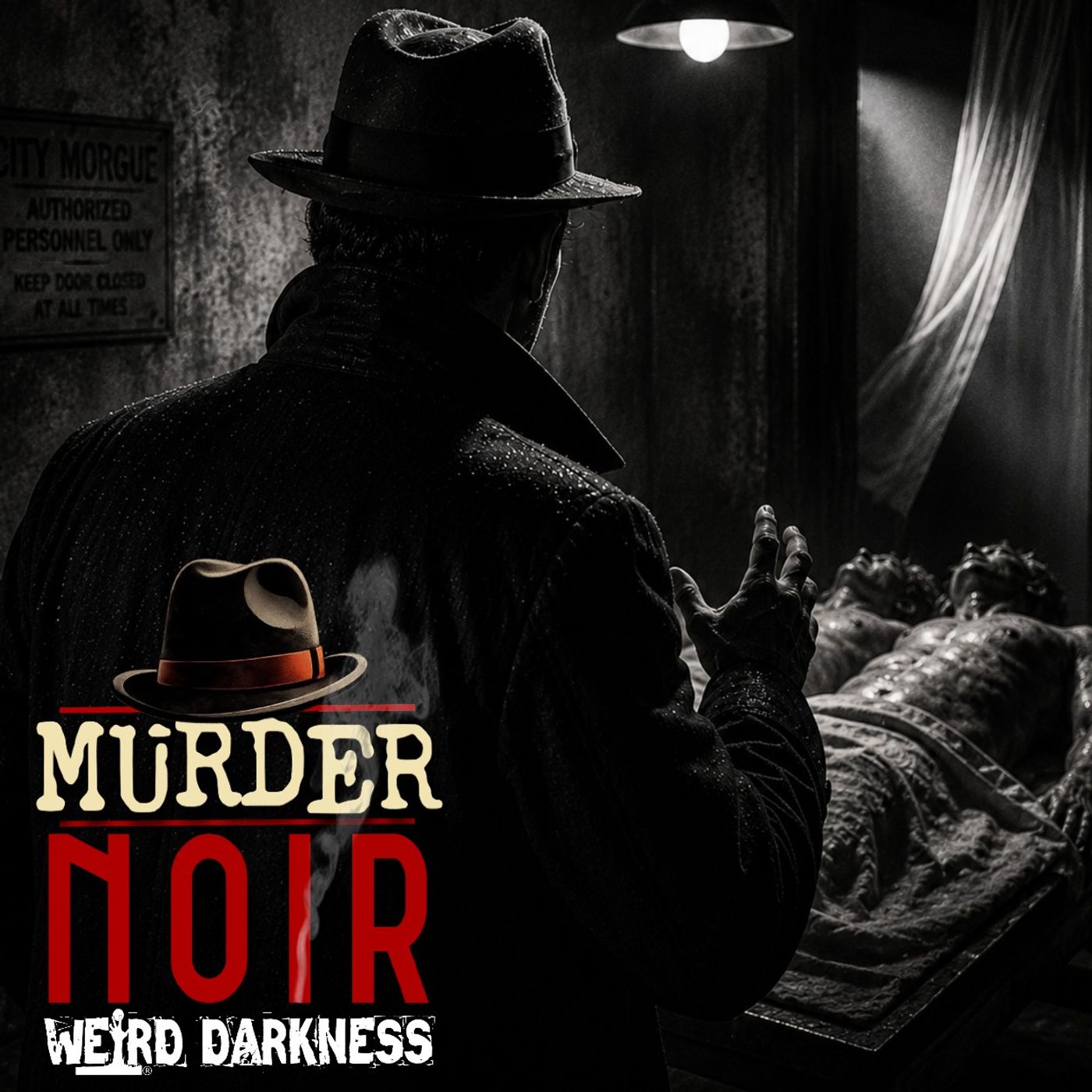
THE MAN THE CAGES COULDN’T HOLD: True Crime Reimagined | #MurderNoir
When a dry-goods robbery in a river town leaves one clerk shot dead and two thieves drowned, a down-at-heel Ravenmill private eye is called in to put a name to the lone survivor — a soft-spoken scholar who keeps walking out of cages no man should be able to open.
EPISODE PAGE (includes list of sources): https://weirddarkness.com/noir-mancagescouldnthold
THE REAL CASE BEHIND THIS STORY: This episode is inspired by the case of Edward H. Rulloff (1819–1871), a Canadian-born polymath who lived as both a respected scholar and a career criminal. A doctor, lawyer, schoolmaster, photographer, inventor, and self-taught philologist, Rulloff devoted his life to a language manuscript he believed would revolutionize the field — work he financed through theft and largely wrote in prison cells. In 1844 his wife, Harriet Schutt, and their infant daughter, Priscilla, vanished from Lansing, New York. No bodies were ever found despite repeated dragging of Cayuga Lake, and Rulloff was convicted of abduction rather than murder, serving ten years in Auburn Prison. A later murder conviction was overturned on appeal, and he was ultimately freed. He moved to New York City, where he and his associates Albert Jarvis and Billy Dexter robbed stores, specializing in hard-to-trace sewing silk. On August 17, 1870, the three men broke into Halbert's dry goods store in Binghamton, New York. A clerk and night watchman, Fred Merrick, was shot dead during the struggle. Jarvis and Dexter drowned in the Chenango River while fleeing; Rulloff was captured after giving false names and hiding in a farm outhouse. He was recognized as the long-suspected Lansing killer, tried for Merrick's murder, and convicted of first-degree murder. His case drew national debate — Horace Greeley argued his intellect was too valuable to waste, while Mark Twain mocked the sentiment in a satirical letter to the Tribune. Rulloff was hanged on May 18, 1871. Before his execution he confessed to killing his wife with a medicine pestle but never admitted to harming his daughter, who some believed survived and was raised by his brother. His body was displayed, a death mask was made, and his head was kept for study; his brain remains part of the Wilder Brain Collection at Cornell University to this day.
WeirdDarkness® is a registered trademark. Copyright ©2026, Weird Darkness.
Originally aired: May 28, 2026
More episodes, additional podcasts, books, original music, in-depth paranormal and true-crime articles, and much more at https://weirddarkness.com.
You May Also Like

Hidden Killers Live! Daily True Crime News & Breakdowns
Hidden Killers Podcast

True Crime Podcast 2025 - Police Interrogations, 911 Calls and True Police Stories Podcast
True Crime Podcast 2026

Shaun Attwoods True Crime Podcast
Shaun Attwood Podcast

Solved Murders - True Crime Stories
RedditKing

Matthew Cox | Inside True Crime Podcast
Rhapsody Voices

Honor Among Thieves Podcast
Nelson Rodriguez Jr | True Crime & Crime Stories Host
Hidden Killers With Tony Brueski | True Crime News & Commentary
True Crime Today

Crime Stories with Nancy Grace
iHeartPodcasts and CrimeOnline
Situational Awareness Tactics
Circle Of Insight Productions

The Opperman Report'
The Opperman Report
Hidden Killers Live! Daily True Crime News & Breakdowns
Hidden Killers Podcast
True Crime Podcast 2025 - Police Interrogations, 911 Calls and True Police Stories Podcast
True Crime Podcast 2026
Shaun Attwoods True Crime Podcast
Shaun Attwood Podcast
Solved Murders - True Crime Stories
RedditKing
Matthew Cox | Inside True Crime Podcast
Rhapsody Voices
Honor Among Thieves Podcast
Nelson Rodriguez Jr | True Crime & Crime Stories Host
Hidden Killers With Tony Brueski | True Crime News & Commentary
True Crime Today
Crime Stories with Nancy Grace
iHeartPodcasts and CrimeOnline
Situational Awareness Tactics
Circle Of Insight Productions
The Opperman Report'
The Opperman Report
Community discussion