What's the deal with Iceland?
Iceland aims to be the world’s first carbon-neutral nation; thanks in large part to hydropower and geothermal, it’s well on track to meet that goal by 2040. In this episode, Halla Hrund Logadóttir of the Iceland Energy Authority reflects on the country’s energy history and looks to its ambitious future.
Text transcript:
David Roberts
Iceland is an island just south of the Arctic Circle, perched directly atop a rift where two tectonic plates are drifting apart, exposing the magma below. It is a small country (physically about the size of Kentucky, with a population a little larger than Cleveland, Ohio’s), but what it lacks in size it makes up for in drama. It is a land of glaciers and volcanos, ice and fire, wind and rain and snow — and deep heat that makes them bearable.
I was there for four days last week, meeting with sustainability-related businesses, hearing about everything from micro-algae to grid monitoring to carbon recycling to using 100 percent of the fish. There’s an incredible amount of innovation going on there, and to my unending delight, a great deal of that innovation is in some way or another in a symbiotic relationship with geothermal, the heat and power that Icelanders pull from underground.
Iceland’s electricity is entirely carbon-free — roughly 70 percent hydropower and 30 percent geothermal — and so is its heating, 90 percent of which is geothermal. Overall, 85 percent of its energy consumption is carbon-free, and it is aiming for 100 percent by 2040.
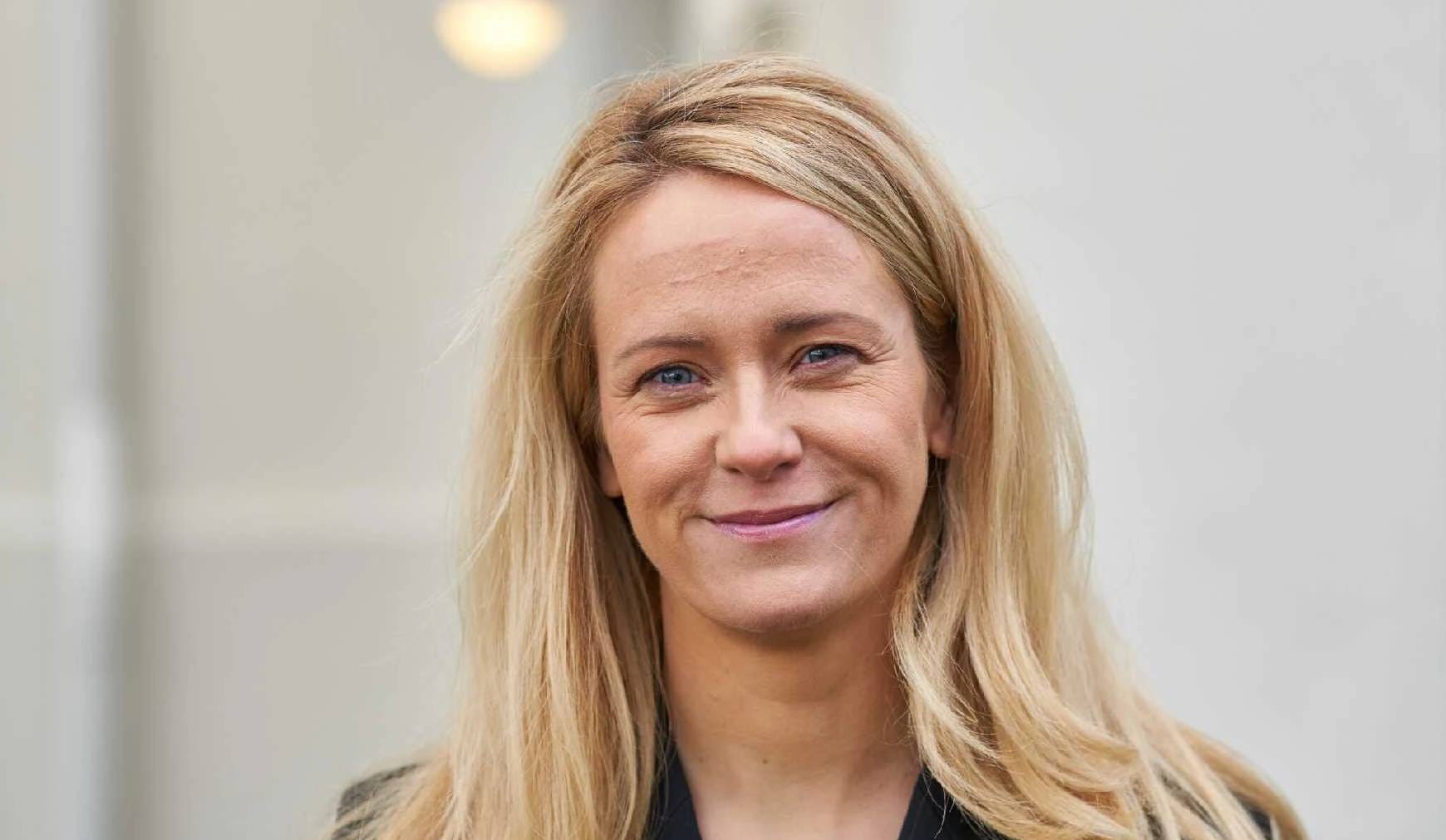
To hear more about all this, I visited the Reykjavik office of Halla Hrund Logadóttir, who runs Iceland’s National Energy Authority, overseeing the country’s electricity system. She used to teach at the Iceland School of Energy at Reykjavik University and now teaches at the Harvard Kennedy School, where she co-founded the Arctic Initiative and founded the Arctic Innovation Lab.
There’s no one with a better sense of the overall state of Iceland’s energy situation. We talked about the country’s history with geothermal, its current energy mix and policies, and its race to become the world’s first fully carbon-neutral nation.
I'm here with Halla, who — I'm going to call you by your first name. Will you say your name for us?
Halla Hrund Logadóttir
So I'm Halla Hrund Logadóttir. One of these Icelandic simple names.
David Roberts
Yes, extremely. That is extremely Icelandic. And you're head of the National Energy Authority? National Energy Authority here in Iceland. And I've been visiting Iceland here for the last three or four days, visiting lots of startups and sustainable businesses of various kinds, and have found it absolutely fascinating, much more than I expected. Such a unique — so many things about Iceland in general, but Iceland's energy situation that are just absolutely unique and fascinating. So maybe the place to start is you could just tell our American audience, which is, you know, Americans are not known for their deep knowledge of other countries —
So maybe we could just start by a little history of Iceland and geothermal, which is, I think, the sort of origin story of Iceland's current situation. Maybe just tell us what happened back in the 60s and 70s and why and sort of what the result is.
Halla Hrund Logadóttir
Absolutely. And I think just to kind of start where we are at today and then looking back: Today, nine out of ten houses in the country are heated with geothermal, and overall, 85% of our primary energy use comes from renewables. So the hydropower is the other main source of electricity production, basically. But the heating mainly comes from geothermal and it is a unique situation, but it is a story that goes way back. It started with bathing that is kind of from the Vikings coming here, staying warm in this cold country. But then in the early 1900s, there was a farmer that found a way to connect his farm to a neighboring hot spring here in Mosfellssveit, which is close to Reykjavík, where we're sitting now, and a few others did the same.
And so it was a story of entrepreneurship and innovation. Then municipalities noticed this technology and it became a part of a policy, to make a long story short. But then the first drilling for geothermal was done in the early 1900s and 1928 here in Reykjavík. And I think such an important part of this story is the fact that those were small projects, but they were used to heat key buildings like the hospital you can still see downtown and a primary school that we have downtown. And this was really important because it made the technology, the fact that it worked, very visible to people and made the buy-in for the technology — you always need buy-in from voters and so forth.
The benefits were very obvious from these two key examples and from these small successes the big transition, the big story, begins, which also I think is interesting now when we think about the overall energy transition, it usually starts with small pilots that then become added up to a major success. Then we had the First World War that was a driver for the government to look closer at local energy resources. But then, as you mentioned, the big change was in the 60s and the 70s during the oil crisis in the world and we're an island, it was extremely expensive to import oil and gas, which were the main types of energy used here in Iceland at that time.
So the government started building incentives for this transition and the major part of that incentive is the Iceland Energy Fund. Do you know of that fund? So just to share a bit about it, it's a fund that was established to help mitigate risk of drilling for geothermal.
David Roberts
Oh, I did hear about that, yeah, I've had a couple of people talk to me about it. So they can loan a village money and if the village finds geothermal, they pay it back. But if they don't, the loan is just canceled, right?
Halla Hrund Logadóttir
Almost as good as that. Yes, about 50% is canceled, but definitely the main features of it. And this is what allowed small municipalities in Iceland to really focus on exploring geothermal in their regions and about 20 district heating systems were built across the island during this time from 61 to 1983 or so. And the beauty is that these are the same systems, the same infrastructure that we're still using today. So it proves as well how stable the geothermal resource is and how important it is when we're looking at the energy transition is to make the right bets when it comes to building infrastructure because it has such a long lifetime.
So these are the main factors of our history. And I think it's important to highlight this is long before climate change became a major issue, the research was not where it is today, but it was about economics, it was about energy security and then clean air. I mean, you can see pictures from Reykjavík very close, from where we're sitting now, where you have this thick smoke looming over the city and just imagining that a few decades later it would be one of the cleanest cities in the world.
David Rob
You May Also Like

The Epstein Chronicles
Bobby Capucci

The MeidasTouch Podcast
MeidasTouch Network

Durango Local News
LNN Durango, Colorado

Bloomberg Intelligence
Bloomberg

Asmongold TV
Asmongold TV

The Alex Jones Show - Infowars.com
John

NPR News Now
NPR

The Howie Carr Radio Network
Howie Carr

Kenny & JT
Kenny & JT

O Antagonista
O Antagonista
The Epstein Chronicles
Bobby Capucci
The MeidasTouch Podcast
MeidasTouch Network
Durango Local News
LNN Durango, Colorado
Bloomberg Intelligence
Bloomberg
Asmongold TV
Asmongold TV
The Alex Jones Show - Infowars.com
John
NPR News Now
NPR
The Howie Carr Radio Network
Howie Carr
Kenny & JT
Kenny & JT
O Antagonista
O Antagonista
Community discussion