How climate activists can help get things built
In this episode, organizer Jeff Ordower of 350.org talks about how the environmental movement can shift its focus from blocking what it doesn’t like to building what it does.
Text transcript:
David Roberts
It is a much-discussed fact that the environmental movement cut its teeth blocking things — mines, pipelines, power plants, and what have you. It is structured around blocking things. Habituated to it.
However, what we need to do today is build, build, build — new renewable energy, batteries, transmission lines, and all the rest of the infrastructure of the net-zero economy. Green groups are as often an impediment to that as they are a help.
So how can the green movement help things get built? How can it organize around saying yes?
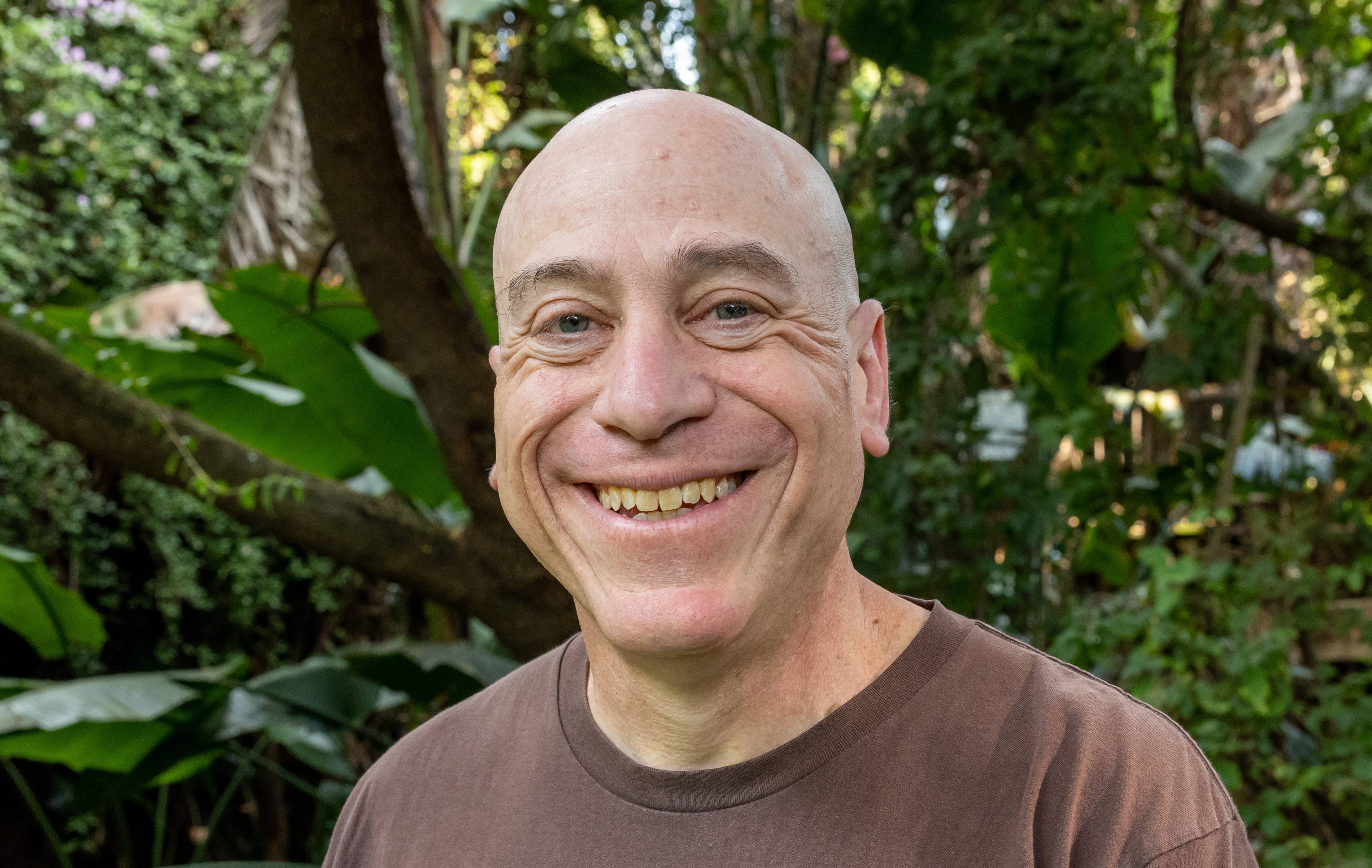
Recently, the activist organization 350.org hired Jeff Ordower, a 30-year veteran organizer with the labor and queer movements, in part to help figure these questions out. As director of North America for 350, Ordower will help lead a campaign focused on utilities standing in the way of clean energy.
I talked with him about organizing around building instead of blocking, the right way to go after utilities, the role green groups can play in connecting vulnerable communities with IRA money, and what it means to focus on power.
All right then, with no further ado, Jeff Ordower of 350, welcome to Volts. Thank you so much for coming.
Jeff Ordower
Thank you so much, David, for having me. I'm excited to be here.
David Roberts
Okay, well, I want to get to 350 and climate activism in a second, but first I'd like to just hear a little bit about your history in activism, which is mainly on the labor side. And what I'd really like to hear, and this is probably like a whole pot of its own, but insofar as you can summarize, I'd love to hear from your perspective when you were working as an organizer in labor. Looking over the fence at climate activism, what was your sort of take or critique like from the labor perspective? What did you think climate activism was doing right or wrong?
Or what did you think you could bring to climate activism from the labor side?
Jeff Ordower
Yeah, I both did labor organizing and I come out of base-building community organizing. I actually come out of the notorious ACORN was where I spent the first half of my organizing.
David Roberts
The late, lamented —
Jeff Ordower
Yeah. So it's very similar. But I started in labor, moved to ACORN very quickly, and then as ACORN was destroyed, both helped to start new community organizing efforts. And then lately, over the last few years have been involved with labor organizing. And it's interesting because I really started tracking what was happening in climate around Copenhagen, which was 2008, 2009, at the same time where ACORN was going through its difficulties. And we were trying to figure out what to build and how to build it and how to build something that was more intersectional. So I was — the personal piece of my story is I was working in St. Louis, which is where I'm from, and part of what we do as community organizers is think about how do we challenge the local power structure?
It's about power and it's about how we build power for folks who don't have the power that they need and help collectively do that. And St. Louis is, like many midwestern towns, is kind of a branch office for many Fortune 500 companies these days. So the most powerful players in the region were coal companies. Peabody Coal was the largest private sector coal company in the world. Arch coal was the second largest in North America.
Both were headquartered in the St. Louis region because it's at the confluence of the Missouri and Mississippi rivers. So, as the only Fortune 500 company in the city limits of St. Louis that was getting tax breaks, there were lots of reasons to fight Peabody and so started on a campaign about that, but there was also this tremendous excitement that was happening. So we were both at the beginning of the Obama administration. There was a time of great hope. For those of us who —
David Roberts
I recall vaguely, vaguely distantly.
Jeff Ordower
Well that's interesting. So, for climate folks, they're like, "Oh, this is not a time of great hope." But the fact that after six or seven attempts, depending on how you count it, at winning health care for everyone in the country, I look back at that early days of Obama and say, wow, we got financial reform to some degree, but we got health care was the most important thing that changed so many people's lives. So I actually think climate folks view that era a little bit differently than we might in having really a generational win. And I'm sure we'll get into this a little bit later, but it is how I think about IRA is also the next generation or the next generational win that we've gotten.
But, looking at that, I think the sheer number of resources that the climate movement was mustering — you know there were many organizations in St. Louis at the time that had been newly created that were doing work. There was a global movement, there were these incredibly ambitious, and I just want to say badass, for lack of a better word, youth, climate activists and organizers. So I think there was a lot to be admired about what was happening. And the fall of 2009 with 350 managing a global day of action, it's when I first started tracking 350.org. So, that was where I really lauded at what was happening.
The climate movement was so exciting to think about the global nature, to think about what they were doing. I think where also looking over the fence where things seemed harder was I think about organizing. And I think many of us, community labor organizing, think about organizing and not mobilizing and how folks build longer term power. And it was less clear to me how the climate movement was doing that and how really the most affected people were — you have a lot of people whose job was to whether it was to get signatures or to do lobbying. But there didn't seem to be formations not just where people could speak from their experiences but also really exercise the longer term campaigning and power building that was necessary.
And so that felt like, and still feels to me a little bit like some of the weaknesses in the climate movement. And obviously more than a decade later, we also have strengths too. I mean that the Sunrise movement is the complete counter to that actually moving folks in hubs in a very significant way for youth organizing. I think, 350.org with our 100 chapters, that the game has changed somewhat. But at the time it really felt like much more emphasis on mobilizing, much less emphasis on organizing.
David Roberts
Right. So people would show up in the streets and march but you didn't see the sort of long-term accretion of power coming out of that?
Jeff Ordower
Yeah, and it's not just the accretion of power, it's also the relationship of having real organization where you have folks who are directly affected by issues, make decisions collectively. That's how things get stronger. It's how you figure out tactics that work. It's the relationship between staff and members. It's members figuring things out.
You May Also Like

24/7 News: The Latest
iHeartPodcasts and TTWN

Dialogue Works
Nima Rostami Alkhorshid

Asmongold TV
Asmongold TV

The Political Scene | The New Yorker
The New Yorker

Meet the Press
NBC News

The Epstein Chronicles
Bobby Capucci

IHIP News
Jennifer Welch & Angie Sullivan

The MeidasTouch Podcast
MeidasTouch Network

Durango Local News
LNN Durango, Colorado

Bloomberg Intelligence
Bloomberg
24/7 News: The Latest
iHeartPodcasts and TTWN
Dialogue Works
Nima Rostami Alkhorshid
Asmongold TV
Asmongold TV
The Political Scene | The New Yorker
The New Yorker
Meet the Press
NBC News
The Epstein Chronicles
Bobby Capucci
IHIP News
Jennifer Welch & Angie Sullivan
The MeidasTouch Podcast
MeidasTouch Network
Durango Local News
LNN Durango, Colorado
Bloomberg Intelligence
Bloomberg
Community discussion