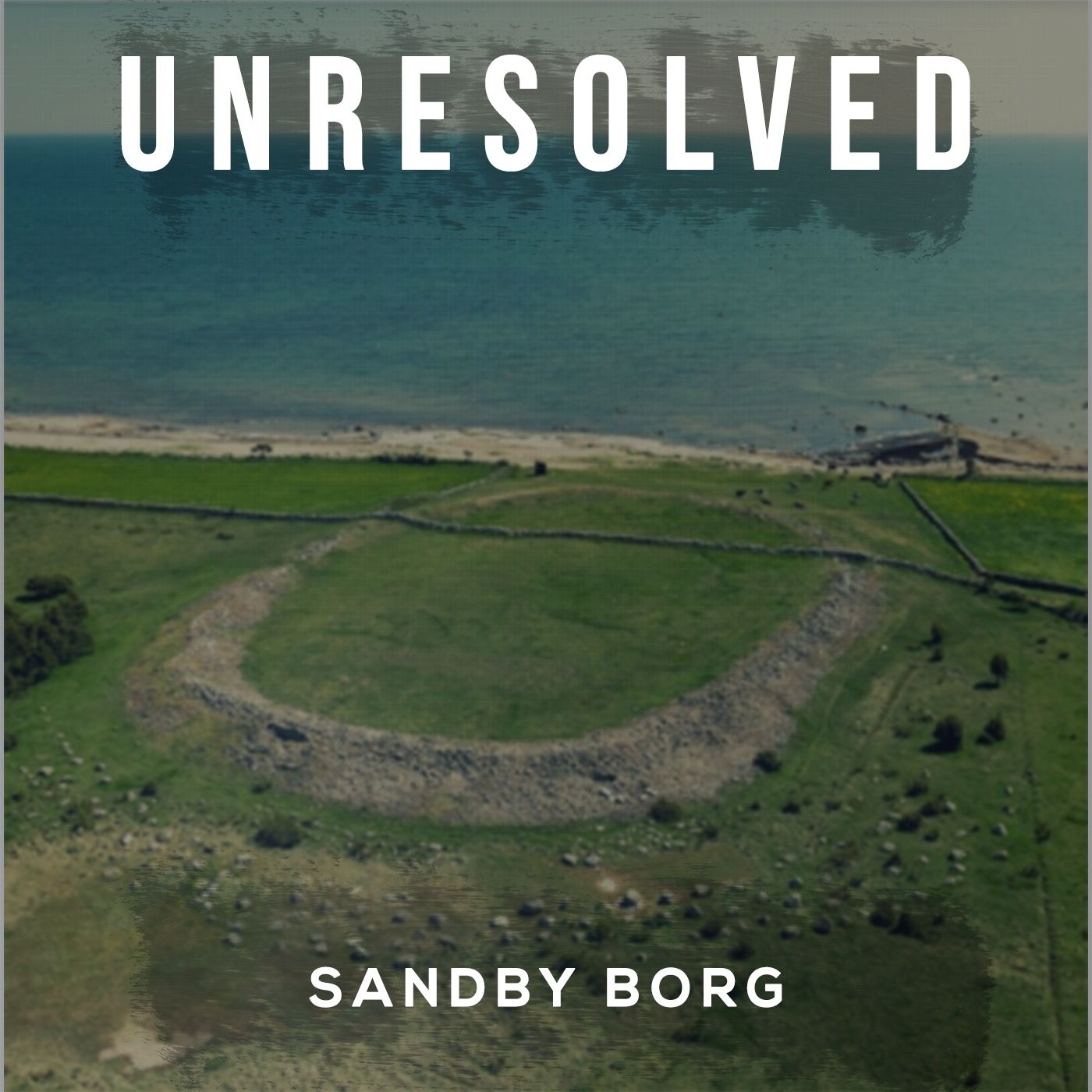
Preview: Sandby Borg
This is a preview for an Unresolved bonus episode, available for those that support the show on Patreon. If you'd like to listen along to this and other Patreon Exclusive bonus episodes, become a supporter at https://patreon.com/unresolvedpod or by clicking on the link below:
Sandby Borg - Unresolved (Patreon Exclusive)
Become a supporter of this podcast: https://www.spreaker.com/podcast/unresolved-a-true-crime-mystery-podcast--3266604/support.
Sandby Borg - Unresolved (Patreon Exclusive)
Become a supporter of this podcast: https://www.spreaker.com/podcast/unresolved-a-true-crime-mystery-podcast--3266604/support.
You May Also Like

Weird Darkness: Paranormal & True Crime Stories
Darren Marlar | Weird Darkness
Betrayal: Weekly
iHeartPodcasts | Glass Podcasts

Hondelatte Raconte - Christophe Hondelatte
Europe 1

Au Coeur du Crime
Europe 1

Solved Murders - True Crime Stories
RedditKing

Home(icides)
Bababam

Sagen Genåbnet
Jesper og Sanne, Podads

Hidden Killers With Tony Brueski | True Crime News & Commentary
True Crime Today
Missing Persons Mysteries
Steve Stockton

FBI Case File Review
Jerri Williams
Weird Darkness: Paranormal & True Crime Stories
Darren Marlar | Weird Darkness
Betrayal: Weekly
iHeartPodcasts | Glass Podcasts
Hondelatte Raconte - Christophe Hondelatte
Europe 1
Au Coeur du Crime
Europe 1
Solved Murders - True Crime Stories
RedditKing
Home(icides)
Bababam
Sagen Genåbnet
Jesper og Sanne, Podads
Hidden Killers With Tony Brueski | True Crime News & Commentary
True Crime Today
Missing Persons Mysteries
Steve Stockton
FBI Case File Review
Jerri Williams
Community discussion