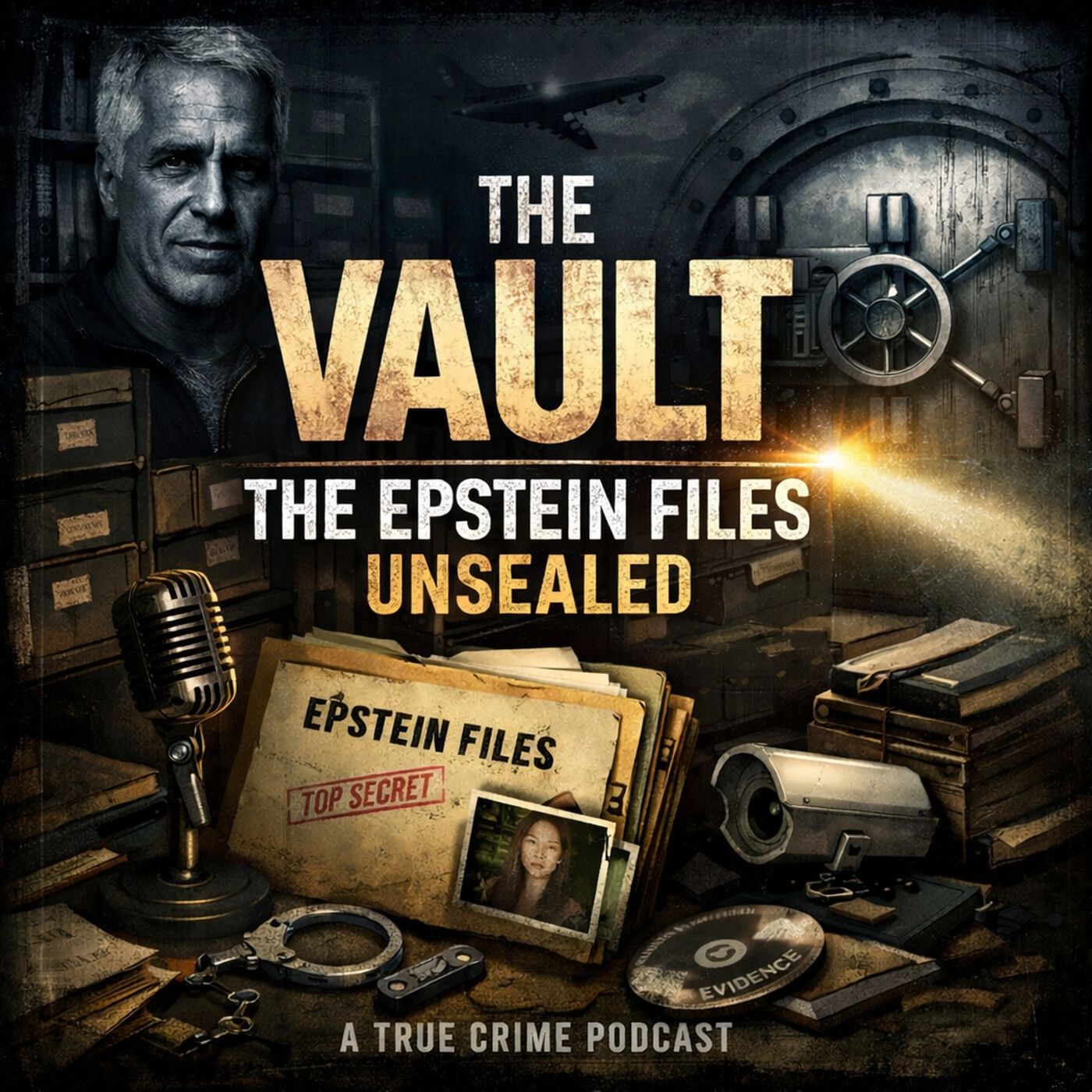
Mega Edition: Jeffrey Epstein's Legal Problems And The Fixer He Used To Get Rid Of Them (9/1/26)
The document is a sworn OIG interview transcript from June 15, 2021, involving the Bureau of Prisons captain who oversaw security operations at MCC New York during the period surrounding Jeffrey Epstein’s death. The captain described the command structure inside the jail, including his role supervising lieutenants and reporting up to associate wardens or the warden, while investigators walked him through staffing, rosters, post assignments, suicide-watch procedures, SHU operations, and the chain of responsibility on August 9–10, 2019. The transcript is important because it does not present Epstein’s death as a clean, orderly institutional event; instead, it shows a jail struggling with bad staffing, confusing handoffs, unfilled posts, questionable paperwork, and a command structure where critical responsibilities appear to have been either missed, misunderstood, or passed around.
The most serious value of the interview is in the irregularities it surfaces. The captain reportedly discussed inaccurate rosters or logs, acknowledged questions around skipped SHU rounds, addressed the fact that Epstein had previously been on suicide watch, and said he would not necessarily have known in real time if officers were failing to conduct required checks. Even more troubling, he expressed concern that certain documents may have been deliberately removed from files that should have been reviewed or audited, and investigators also raised an inmate-count issue involving an inmate named Reyes, whose release may not have been properly reflected in the institution’s count — something the captain treated as a protocol violation. Taken together, the transcript adds another layer to the larger Epstein death record: not a single clean explanation, but a bureaucratic mess of missing or questionable documentation, staffing failures, broken supervision, and institutional chaos at precisely the moment when the most high-profile federal inmate in America was supposed to be under careful control.
to contact me:
[email protected]
source:
EFTA00111830.pdf
You May Also Like

BIRNABEATZ
BIRNABEATZ

SmoothJazz.com Global
SmoothJazz.com, Inc

Voices from the Field
NCCIH-CCNSA

Teneki
Teneki

Worship & Wonder Daily Devotional
Westminster Presbyterian Church

NGN Radio
osa777

Book Friends Forever
HachetteAudio

Scrolls & Secrets
Scrolls & Secrets

AZense Guideline Updates
Azense Medical Education

Lumin
Geoff Lumley
BIRNABEATZ
BIRNABEATZ
SmoothJazz.com Global
SmoothJazz.com, Inc
Voices from the Field
NCCIH-CCNSA
Teneki
Teneki
Worship & Wonder Daily Devotional
Westminster Presbyterian Church
NGN Radio
osa777
Book Friends Forever
HachetteAudio
Scrolls & Secrets
Scrolls & Secrets
AZense Guideline Updates
Azense Medical Education
Lumin
Geoff Lumley
Community discussion