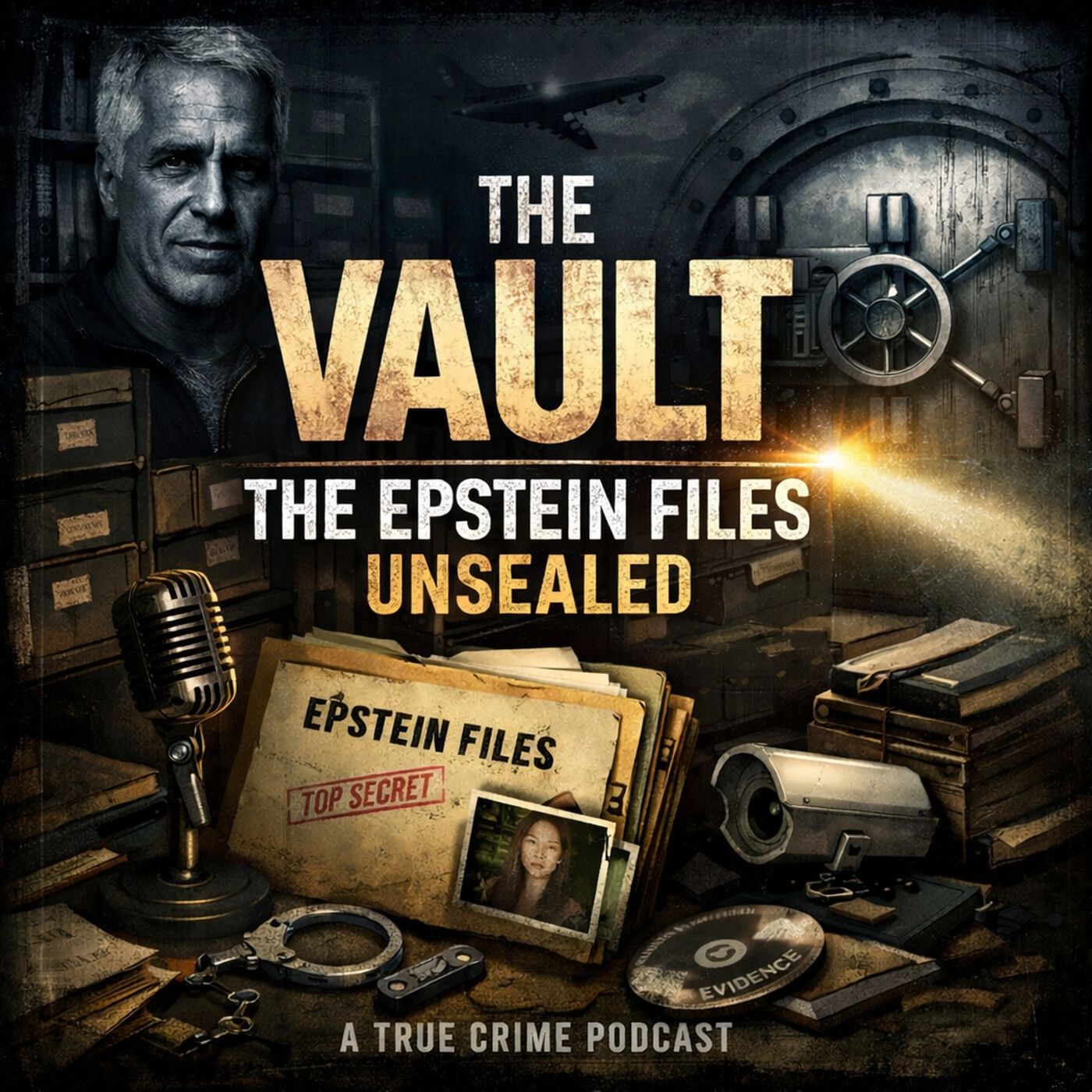
Mega Edition: How Did The Epstein Survivor Compensation Fund Come To Fruition? (7/31/26)
In its early days, the Jeffrey Epstein Victims’ Compensation Fund was presented as a streamlined, independent mechanism designed to bypass the slow grind of civil litigation and get money into survivors’ hands quickly. Administered by Jordana Feldman—who had previously worked on the 9/11 fund—the program was structured to allow claimants to come forward confidentially, submit evidence privately, and receive individualized offers based on the severity and duration of their abuse. The estate touted the fund as a gesture of accountability, emphasizing that survivors would not have to confront Epstein’s enablers in court or relive their trauma in adversarial proceedings. Early reporting noted that dozens of women registered almost immediately, and the fund was inundated with initial inquiries, signaling how many victims had remained silent in the shadows of Epstein’s power for years.
But behind the polished presentation, the fund’s formation showed cracks that raised concern among survivors and advocates. Early payouts were contingent on the estate’s liquidity, and from the outset the executors—Darren Indyke and Richard Kahn, both longtime Epstein insiders—warned that they might not have enough accessible cash to meet demand. This created immediate skepticism about whether the estate was truly committed to compensating victims or simply attempting to limit long-term legal exposure. Survivors questioned why the very people who helped run Epstein’s financial empire were now controlling the purse from which reparations would flow. At the same time, the USVI government voiced concern that the fund’s confidentiality provisions could shield key information about the scope of Epstein’s trafficking network. In those early months, while some survivors viewed the fund as a path to long-overdue validation, others saw it as a controlled, estate-friendly structure that risked trading truth for expediency.
to contact me:
[email protected]
You May Also Like

Voices from the Field
NCCIH-CCNSA

Teneki
Teneki
Worship & Wonder Daily Devotional
Westminster Presbyterian Church

Scrolls & Secrets
Scrolls & Secrets

AZense Guideline Updates
Azense Medical Education
Renascença - Pergunte ao Pe. Paulo Franco
Renascença
X & Y On The Fly - Dating Podcast | Love | Sex | Relationships
Scot and Emily McKay

Darrers podcast - Ràdio Cubelles
Ràdio Cubelles
無邪気な僕らのファンキーラジオ
ファンキー淡河

Defected Records
Defected Records
Voices from the Field
NCCIH-CCNSA
Teneki
Teneki
Worship & Wonder Daily Devotional
Westminster Presbyterian Church
Scrolls & Secrets
Scrolls & Secrets
AZense Guideline Updates
Azense Medical Education
Renascença - Pergunte ao Pe. Paulo Franco
Renascença
X & Y On The Fly - Dating Podcast | Love | Sex | Relationships
Scot and Emily McKay
Darrers podcast - Ràdio Cubelles
Ràdio Cubelles
無邪気な僕らのファンキーラジオ
ファンキー淡河
Defected Records
Defected Records
Community discussion