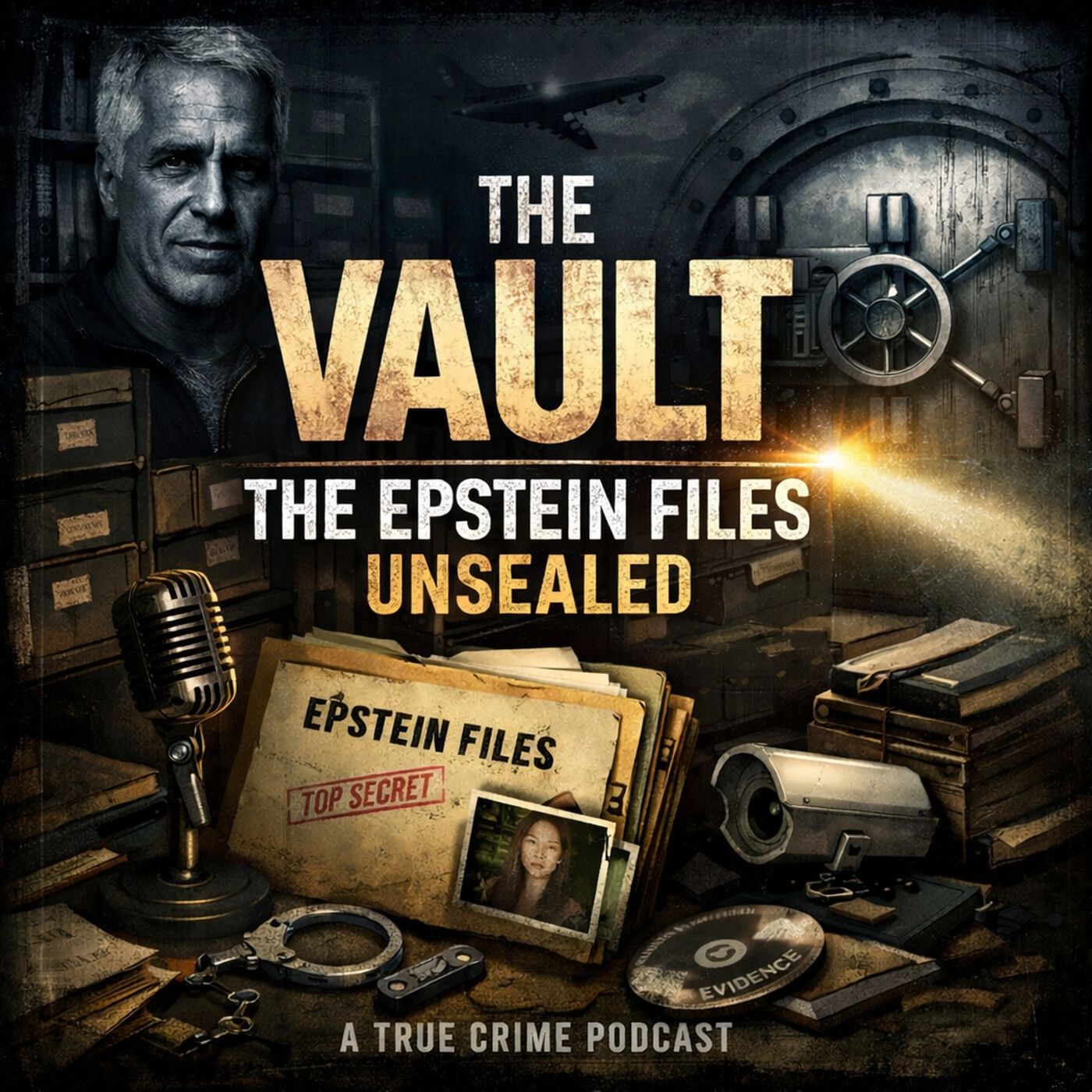
From Transparency to “Move On”: The Collapse of the Comer Epstein Probe
The committee chaired by James Comer was presented as a serious effort to expose the truth behind the Epstein scandal, but in practice it operated more like a containment mechanism than a genuine investigation. Instead of aggressively pursuing the deeper financial, institutional, and international networks surrounding Jeffrey Epstein, the committee stayed confined to surface-level material that had already been widely reported. Its pacing was slow to the point of being strategic, releasing limited information in controlled bursts that drained public momentum rather than building pressure. Key lines of inquiry were avoided altogether, particularly those that could implicate powerful institutions or expand the scope beyond a manageable narrative. This was not oversight in any meaningful sense—it was narrative management disguised as accountability, designed to give the illusion of action while ensuring nothing truly destabilizing came to light.
The shift from promises of “full transparency” to a quiet push toward “moving on” was not accidental—it was enabled by the committee’s own conduct. By dragging out the process, narrowing its focus, and controlling what was released, Comer and his colleagues created the conditions for public fatigue, making it easier to justify closing the book before the real questions were answered. The fact that a discharge petition was required to force additional material into the open exposes just how resistant the committee was to genuine transparency. Without that external pressure, the public likely would have been left with a sanitized, incomplete version of events presented as the final word. Far from uncovering the truth, Comer’s committee functioned as a gatekeeper, protecting the boundaries of the narrative and ensuring the most consequential aspects of the Epstein network remained out of reach.
to contact me:
[email protected]
You May Also Like

Voices from the Field
NCCIH-CCNSA
Worship & Wonder Daily Devotional
Westminster Presbyterian Church
Scrolls & Secrets
Scrolls & Secrets

AZense Guideline Updates
Azense Medical Education

Renascença - Pergunte ao Pe. Paulo Franco
Renascença
X & Y On The Fly - Dating Podcast | Love | Sex | Relationships
Scot and Emily McKay

Darrers podcast - Ràdio Cubelles
Ràdio Cubelles

Defected Records
Defected Records

Darrers podcast - Ràdio Ciutat de Badalona
Ràdio Ciutat de Badalona

CHURCH on SermonAudio
Various Speakers
Voices from the Field
NCCIH-CCNSA
Worship & Wonder Daily Devotional
Westminster Presbyterian Church
Scrolls & Secrets
Scrolls & Secrets
AZense Guideline Updates
Azense Medical Education
Renascença - Pergunte ao Pe. Paulo Franco
Renascença
X & Y On The Fly - Dating Podcast | Love | Sex | Relationships
Scot and Emily McKay
Darrers podcast - Ràdio Cubelles
Ràdio Cubelles
Defected Records
Defected Records
Darrers podcast - Ràdio Ciutat de Badalona
Ràdio Ciutat de Badalona
CHURCH on SermonAudio
Various Speakers
Community discussion