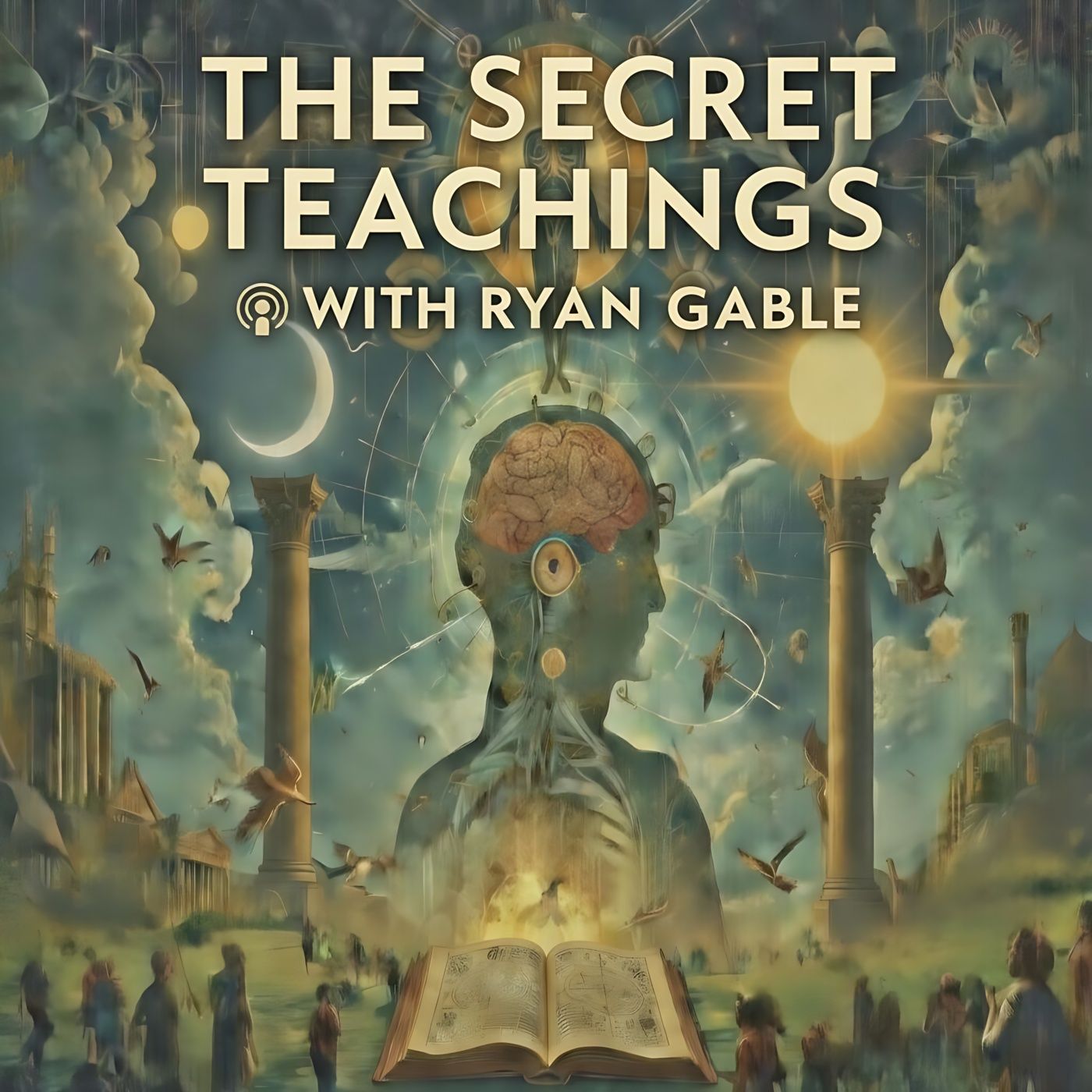
Compliance is Science (1/9/24)
Science comes in three forms: objective observation, and the same applied to either reductionist views or those of the whole. The former means reducing everything to the importance of individual parts, while the latter is the acknowledgment of the whole. As with astronomy and astrology, science and theology were also once intertwined, asking questions like: What is the meaning of existence and what are nature's secrets?
Kurt Gödel, an Austrian mathematician, demonstrated in 1931 the futility of using only reductionist thought in order to model a complex system. Although complex, such systems - i.e., all of nature - are comprised of their individual parts which themselves are whole systems. The seemingly logical nature of A relates to B and thus must cause C is an oversimplified way of looking at the world and works great if you desire to build a machine, bomb, or narrative around disease. It's easy to create associations using fallacies: one could easily say that since all humans have skin and die, that these two things are the leading causes of death!
In reality things are far more complicated and with this understanding it becomes clear how many things are made worse by solving problem A with solution B, since the result is usually the creation of problem X. This type of science is based on established opinion, not fact, but in fact dogma. Science has thus become a theological narrative itself, ironically mirroring the opposition it once had in the dogma of the Church, which still rejects certain scientific findings. But findings are not facts and proofs are only such of one reductionist part, not the whole.
Become a supporter of this podcast: https://www.spreaker.com/podcast/the-secret-teachings--5328407/support.
Thank you for supporting independent, unbiased inquiry into the mysteries of our world.
You May Also Like

BELLUMARTIS PODCAST
Bellumartis Historia Militar

Acontece que no es poco con Nieves Concostrina
SER Podcast

The Blue Collar Scholar
Will Reitz

Einschlafen mit Geschichte
Schønlein Media
The Ancients History
Boring History for Sleep

Entrez dans l'Histoire
RTL

Les grands dossiers de l'Histoire par Franck Ferrand
Radio Classique

فواصل ثقافية
Fawasel Thaqafeya

Stuff You Missed in History Class
iHeartPodcasts

HOLLYWOODLAND
Exactly Right and iHeartPodcasts
BELLUMARTIS PODCAST
Bellumartis Historia Militar
Acontece que no es poco con Nieves Concostrina
SER Podcast
The Blue Collar Scholar
Will Reitz
Einschlafen mit Geschichte
Schønlein Media
The Ancients History
Boring History for Sleep
Entrez dans l'Histoire
RTL
Les grands dossiers de l'Histoire par Franck Ferrand
Radio Classique
فواصل ثقافية
Fawasel Thaqafeya
Stuff You Missed in History Class
iHeartPodcasts
HOLLYWOODLAND
Exactly Right and iHeartPodcasts
Community discussion