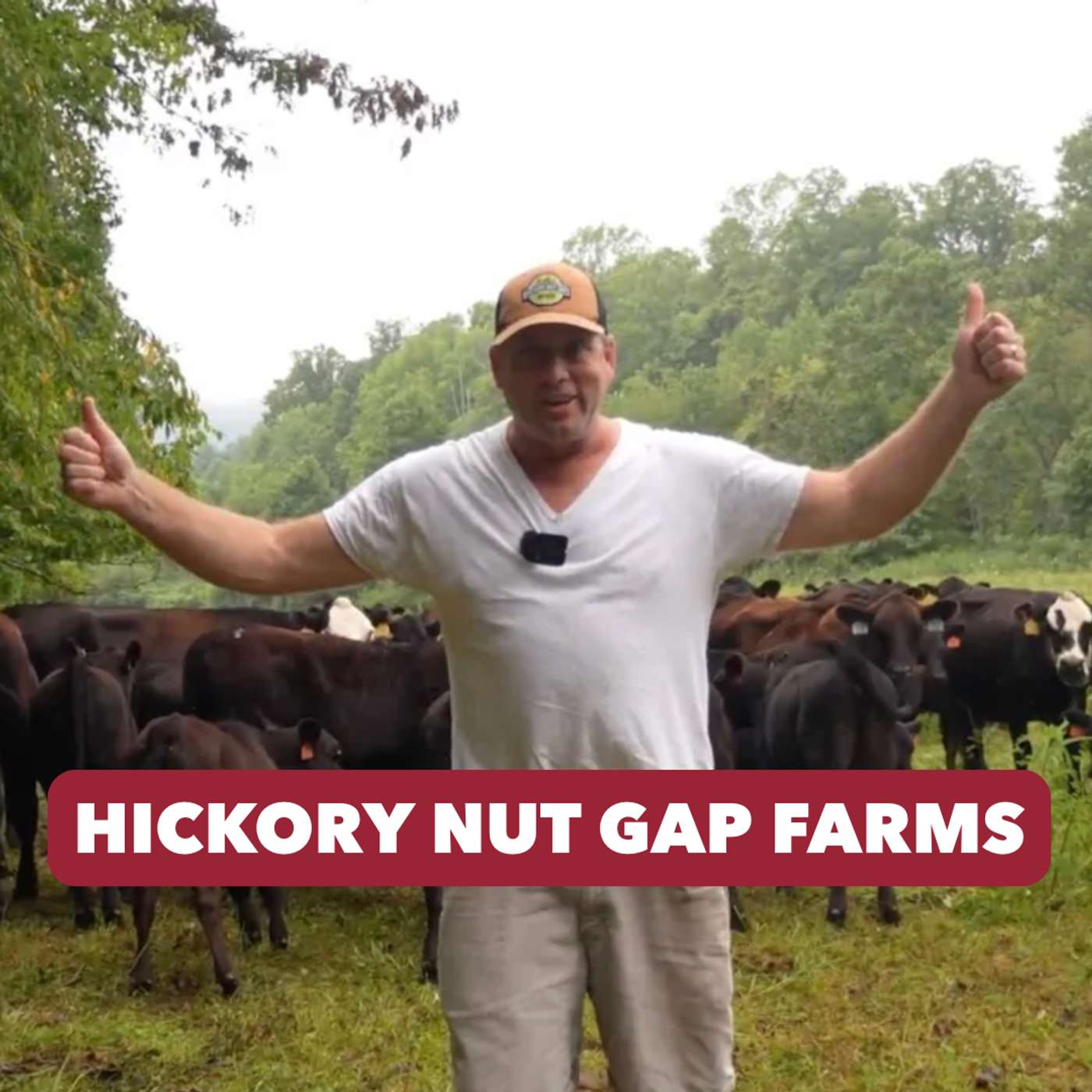
Hickory Nut Gap is a century-old family farm in Western North Carolina, now run by Jamie and Amy, who shifted the operation toward grass-fed beef, pastured poultry, and regenerative grazing. Their model connects soil health, animal welfare, and community resilience - from rotational grazing that builds biodiversity to supplying local restaurants and retailers. This tour looks directly at how they raise animals, manage land, and keep farming viable in the Appalachian mountains. Key Topics How Hickory Nut Gap transitioned from an old dairy to a regenerative livestock operation Rotational grazing, biodiversity, and carbon-building in mountain pastures The economics of grass-fed beef versus grain-fed systems How the farm navigated the 2023 Cane Creek flood and community recovery Whole-animal butchery, pet food production, and reconnecting consumers with real food Why Listen To This Episode A real-time look at how a regenerative livestock farm actually operates Clear explanation of rotational grazing, pasture rest, and soil-building Practical insight into animal welfare, handling, and daily farm management Firsthand account of flood recovery and community resilience Straightforward breakdown of grass-fed vs grain-fed economics and taste Cuts through marketing claims by showing the real work behind regenerative agriculture Website Instagram Timestamps 00:00:00 — History of Hickory Nut Gap and returning to the family farm 00:02:00 — Discovering direct-market pasture farming in the early 2000s 00:04:00 — Grass-fed movement and building a farmer-supported food system 00:06:00 — Taste, nutrition, and why fresh, local food matters 00:10:00 — Flood impacts and land recovery after the Cane Creek disaster 00:12:00 — Rotational grazing explained: density, rest, carbon, biodiversity 00:15:00 — Grass-fed vs grain-fed: economics, animal health, taste 00:17:00 — Talking with vegans and the ethics of reducing harm in ecosystems 00:19:00 — Regrowth after grazing and how mountain pastures respond 00:23:00 — Daily welfare checks: water, feed, injuries, antibiotics policy 00:26:00 — Whole-animal use, pet food demand, and underrated cuts