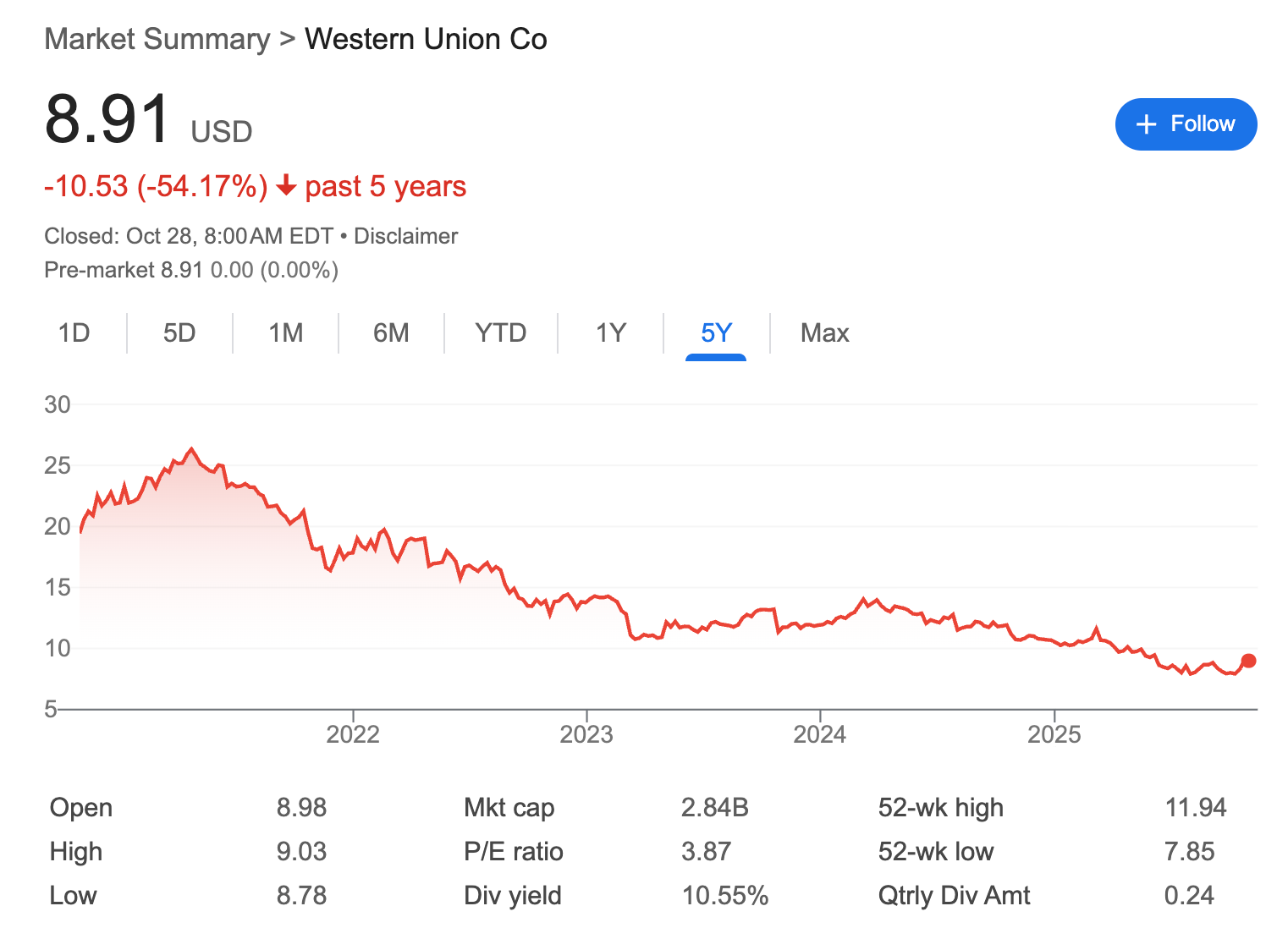
Join us at the 3rd Annual Bitcoin Investor Week! The 3rd annual Bitcoin Investor Week is returning to NYC on February 9th - 13th. This is the largest gathering of serious bitcoin investors in the world. 2,500+ people are expected this year. Speakers include Jan van Eck, Lyn Alden, Jeff Park, Anthony Scaramucci, Matt Cole, Caitlin Long, Dan Tapiero, Mark Yusko, Brandon Lutnick, Fred Thiel, and many others. TICKETS: https://bitcoininvestorweek.com To investors, I published a conversation with Coinbase’s Head of Consumer and Business Products yesterday. In the recording, Max Branzburg mentioned a “DeFi mullet,” which was described as the “easy Coinbase experience in the front and DeFi in the back.” This comment got me thinking about what is happening at the intersection of crypto and traditional finance. First, it is clear that “crypto” is not going to be a thing in a decade. Everything will be “finance” and you won’t know the difference between centralized or decentralized infrastructure. This is similar to what happened with the internet. There used to be internet companies and non-internet companies. People used to be considered cutting edge if they were using the internet, but now you would be deemed an idiot if you didn’t use the internet. The same thing is happening with crypto. Everyone from the new fintechs like Robinhood or the legacy firms like Blackrock are realizing they have to embrace this new technology in a variety of ways. No one calls Blackrock a bitcoin company and I don’t think many investors would consider Robinhood a crypto company. But those details don’t change the fact that each company is using this new technology to gain an advantage in the marketplace and better serve their customers. This decreasing importance of the “crypto” industry is a good sign. It means technology is becoming standard and expected. You can see the convergence happening perfectly with exchanges. Coinbase, Kraken, and many other crypto-native exchanges are racing to list public equities via tokenized securities. The fintechs like Robinhood, Public.com, eToro, and WeBull are quickly adding various crypto assets to their platform. Even ICE, CBOE, and Nasdaq are all finding various crypto products or companies to list on their exchanges. You aren’t going to have crypto and non-crypto exchanges. The end game is for exchanges to list public equities, crypto assets, and prediction markets all in one place. This is why Coinbase is publicly saying they want to be the “everything exchange,” while ICE is investing billions of dollars in prediction markets and crypto products. These firms are battling to be the future dominant venue for investors to buy and sell assets, regardless of their structure. The winner will capture tens of billions of dollars in profits. No wonder these exchanges are acting like they are in an all-out war for market share. But exchanges are not the only place this is happening. It seems like every day brings new headlines about stablecoins being adopted by the legacy finance players. Yesterday, we saw Coinbase announce a new partnership with Citi to “ make on and off-ramping crypto easier for Citi’s institutional clients .” As part of the announcement, Coinbase CEO Brian Armstrong said “It’s not a debate anymore - crypto and stablecoins are the tools that will update the global financial system.” I think it is hard to argue with his logic at this point. Large financial institutions like Citi are not the only ones trying to create shareholder value by embracing stablecoins in the legacy system. Western Union says they are piloting stablecoin settlement rails to speed up cross-border payments and cut reliance on SWIFT. Their CEO Devin McGranahan says the company “sees stablecoins as an opportunity, not a threat.” That seems like a fair perspective to have, but the real question is whether these legacy companies will be able to move quickly enough to avoid disruption. Based on the fact that Western Union’s stock is down more than 50% over the last 5 years, it is more likely the market believes Western Union is going to be one of the carcasses left on the playing field by stablecoins and crypto-native payment rails. But here is the thing about stablecoins, right now you have to be a crypto-native to use these assets. You need to know what a wallet is. You need to know the difference between USDT, USDC, USDe, and many others. You have to understand how wallet addresses work, along with making technical decisions like which blockchain to leverage for your transaction. Normal people aren’t going to do any of that. They want to simply send, receive, and hold US dollars. This is where the “DeFi mullet” comes into play. The interface has to be familiar and trusted, while the infrastructure and plumbing can be completely upgraded. Victor Yaw has a great way to frame what is likely to happen. He writes “stablecoins will disappear into the plumbing of finance. Money will move across borders the way data moves