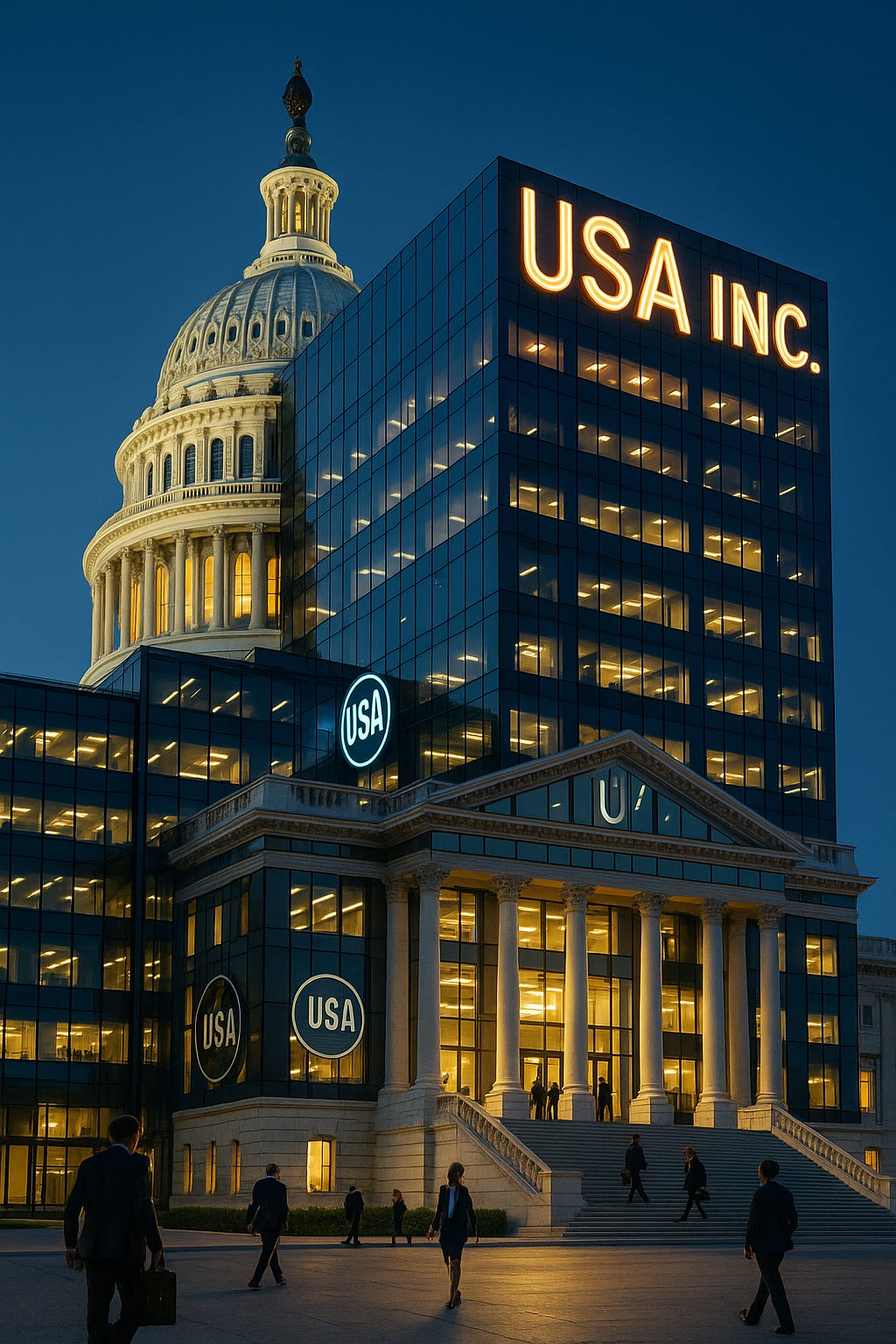
To investors, The landslide victory for President Trump in November’s election suggested that a large portion of the country was excited about the prospect of putting a businessman and investor back into the White House. Since his inauguration, Trump and his administration have gone to work implementing their plan with a frenetic pace. Most of the commentary this year has been focused on Trump’s tariff policies. There was intense volatility and uncertainty through the first half of the year. Tariffs were placed on various countries, then the tariff rates were increased, then the tariffs were paused, then the tariffs were implemented again, and eventually some of the tariffs were removed or reduced. This constant change led to critics complaining that the White House had no clue what they were doing. While plenty of smart people think that critique is true, you could also see the tariffs for what they were — an iterative process during a fluid negotiation on the geopolitical stage. Another way to say it is “dealmakers trying to do deals.” I am not saying whether it was the right strategy or not, but rather viewing the actions through the lens of dealmaking creates a level of understanding and clarity that seems to make more sense than any other perspective. But as any dealmaker knows, the best deal is the next one. And the White House has been busy trying to strike even larger, more important deals. Take the recent announcement of the United States government receiving 10% ownership in Intel, the American giant designing, manufacturing, and selling computer components. Following the initial announcement, Trump posted on social media that the government now owns the 10% stake without investing any money in the company. Of course, the devil is in the details. Critics immediately sounded the alarm that the United States government was beginning to act like a communist state where successful enterprises eventually ended up being state-owned. These critics ignored the American precedent of the government taking equity stakes in companies across industries at different times. According to Perplexity, a few examples include: * 2008 Financial Crisis – TARP Program: The government acquired significant equity stakes in many major firms, including AIG, Citigroup, Bank of America, General Motors (GM), and Chrysler, as part of the Troubled Asset Relief Program (TARP). This involved buying newly issued preferred stock and even common shares in exchange for bailout funds. For example, the government became the majority (60.8%) shareholder in GM in 2009, controlling its restructuring and board appointments before selling its shares in subsequent years. * 1984 – Continental Illinois Bank: In response to a major bank failure, the FDIC took an 80% equity stake and actively participated in corporate governance for several years before divesting. * CARES Act (2020 – COVID pandemic): The government financed critical sectors (including airlines) and, per the law, often received equity warrants or similar rights as part of these investments. So the Intel deal doesn’t seem as abnormal if you have the historical context. But remember, I said the devil was in the details. Legendary energy trader John Arnold encapsulated my thoughts perfectly when he wrote “ I’m not thrilled about the government giving Intel $11.1 billion for a 10% stake but it’s better than the original idea of giving them $7.9 billion for nothing .” It is important to realize the government is not investing cash, but rather they are using previously awarded but undisbursed funds from the CHIPS Act and the DoD’s Secure Enclave program. Think of this as a trade where the government essentially demanded 10% equity in exchange for the government awards that Intel was already expecting from the Biden-era legislation. Venture capitalist Bill Gurley also had a good point when he said “ If the government is the “lender of last resort” they should 100% take equity and arguably 100% of the equity. Failed to do this with GM, Goldman Sachs, United (& other airlines). How do you know if they are lender of last resort? The company takes the deal. ” My takeaway from this situation is the US government is not going to be in the business of taking equity positions in private sector companies, but they have a history of getting paid for stepping in to help in unique situations. There will be debate whether the securing American leadership in advanced semiconductor manufacturing is an unique enough situation to warrant the equity stake, but most investors I have spoken with think the government should not be in the business of handing out money without being compensated for the risk they are taking. Remember, dealmakers making deals. This brings me to the news from last night that President Trump is firing Lisa Cook, the embattled Federal Reserve Board Governor who has been accused of mortgage fraud by FHFA Director Bill Pulte. This is the first time in history that the President of th