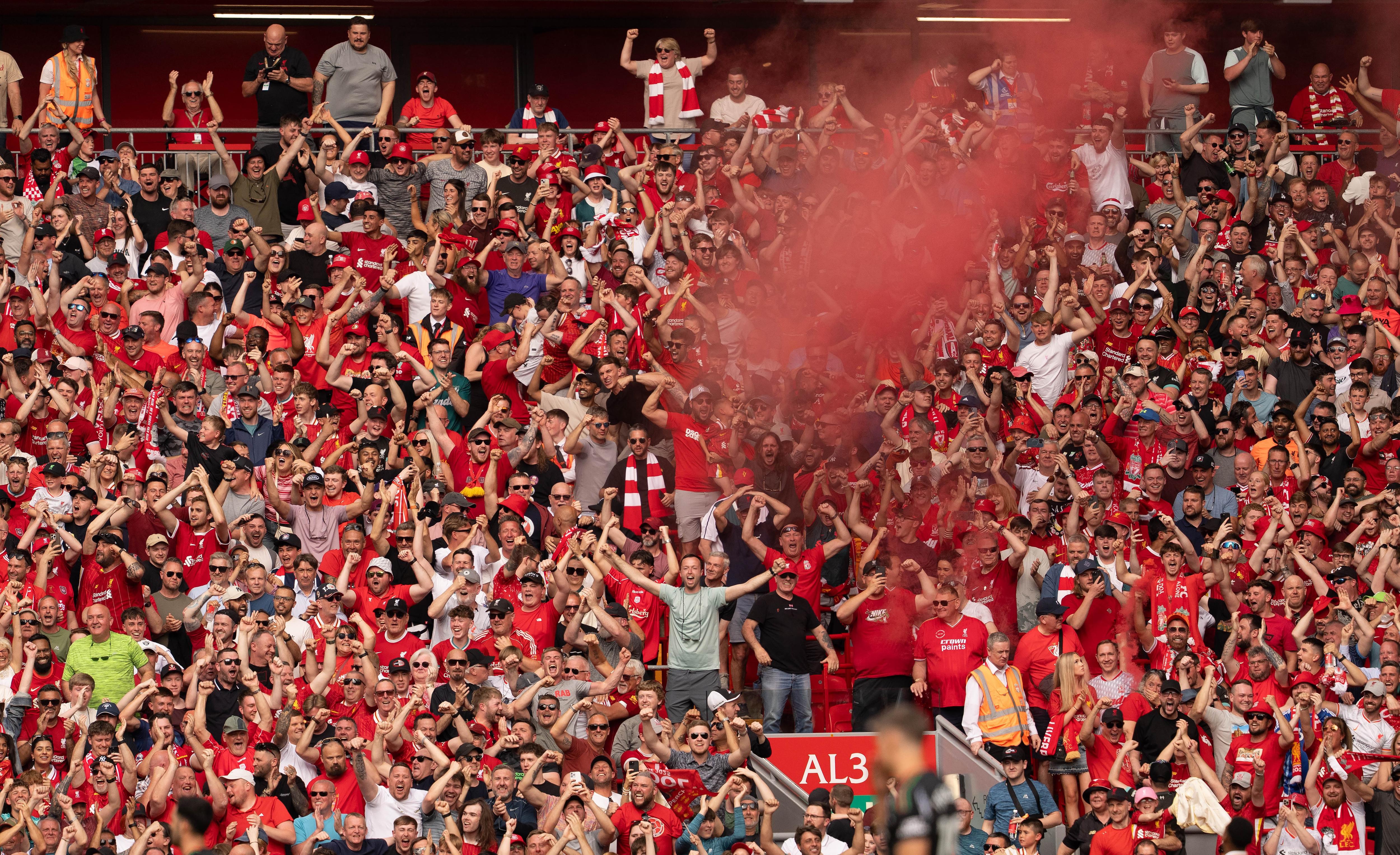
Is it only “joy” when it’s shared?
“Joy” is a strange kind of word. It describes a feeling that we all know, but do not know exactly how to value. It’s not happiness — which can, after all, be interior, quiet and express itself as a kind of contentment — nor is it merely pleasure (even though, in many languages, “pleasure” and “joy” are etymologically related). Joy is not only more exuberant than happiness, it is also weightier than pleasure. Montaigne was onto something when he wrote, “Profound joy has more seriousness than gaiety about it …” In what circumstances, then, do we find that it is fitting to use the word “joy”? It is almost always when it is coupled with a sense of struggle, the experience of coming through disappointment and failure, the attempt to achieve something that is inherently difficult. That’s why it does not strike us as inappropriate when joy is tinged with sorrow (as when a loved one is not present to experience it) or when sorrow is lightened by joy (the same way that lamentation, for instance, can be an expression of an underlying hopefulness). All of which is to say, whatever “joy” is, it isn’t easy. But then there’s one additional element that invariably seems to be present when we reflect on the nature of “joy”: the fact that it seems to require companionship, or at least company. It needs to be shared.
You May Also Like

Worship & Wonder Daily Devotional
Westminster Presbyterian Church

Scrolls & Secrets
Scrolls & Secrets

Renascença - Pergunte ao Pe. Paulo Franco
Renascença

Darrers podcast - Ràdio Cubelles
Ràdio Cubelles

Darrers podcast - Ràdio Ciutat de Badalona
Ràdio Ciutat de Badalona

CHURCH on SermonAudio
Various Speakers

Church Unity: The Forgotten Treasure
Paul J. Bucknell

Podcast Paris United
Paris United

Deep Sessions & Toxic Journey Episodes
Dj zeb

La Série fiction
France Culture
Worship & Wonder Daily Devotional
Westminster Presbyterian Church
Scrolls & Secrets
Scrolls & Secrets
Renascença - Pergunte ao Pe. Paulo Franco
Renascença
Darrers podcast - Ràdio Cubelles
Ràdio Cubelles
Darrers podcast - Ràdio Ciutat de Badalona
Ràdio Ciutat de Badalona
CHURCH on SermonAudio
Various Speakers
Church Unity: The Forgotten Treasure
Paul J. Bucknell
Podcast Paris United
Paris United
Deep Sessions & Toxic Journey Episodes
Dj zeb
La Série fiction
France Culture
Community discussion