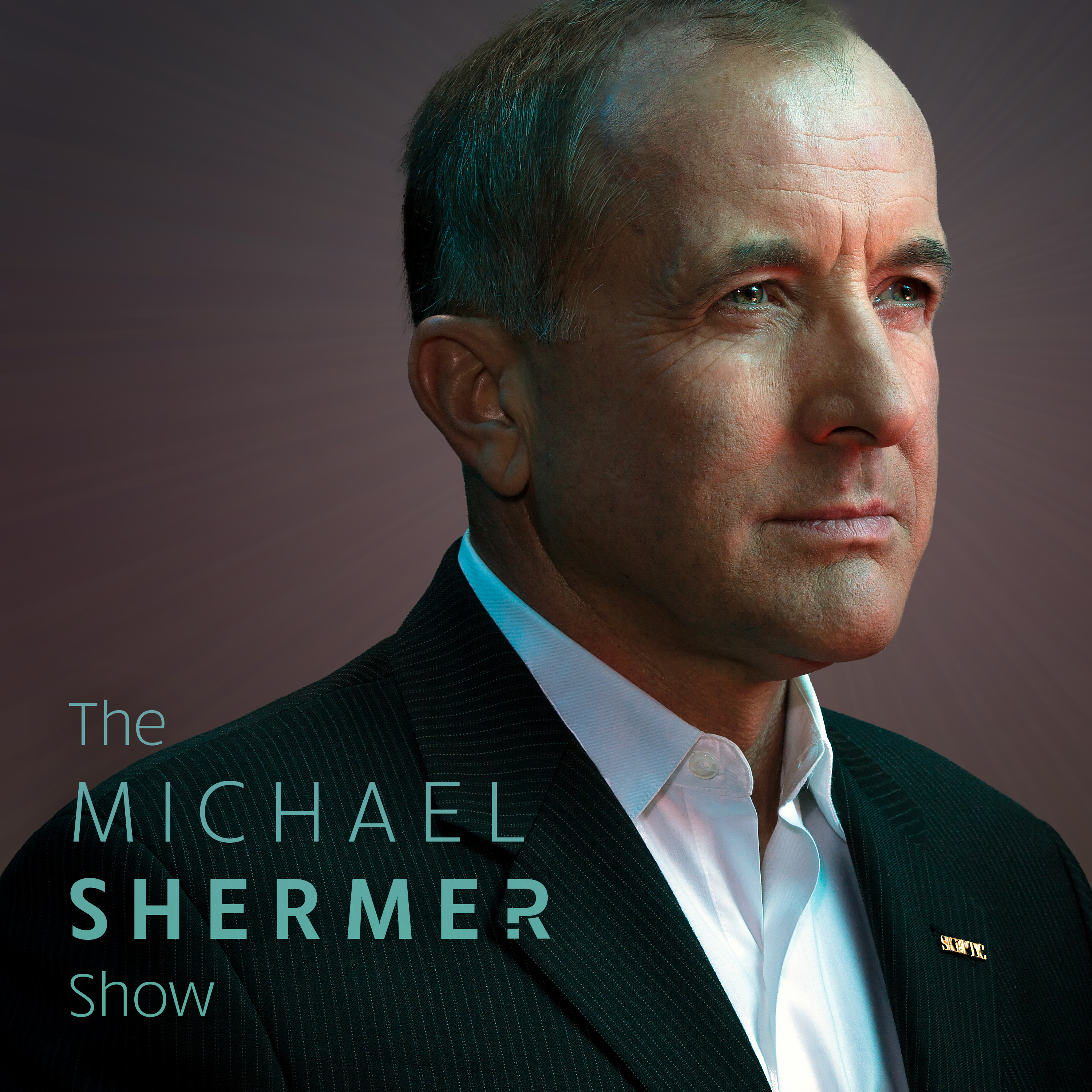
301. Alan Blinder — A Monetary and Fiscal History of the United States
Shermer and Blinder discuss: serving on Bill Clinton's Council of Economic Advisers • being the Vice Chair of the Federal Reserve Board • What kind of science is economics? • how one's political leanings influence cause-and-effect economic theories • the difference between monetary and fiscal policy • a Keynesian approach to economics • inflation, stagflation, recessions, depressions, Bull and Bear markets defined • interest rates • the Federal Reserve • the money supply • What makes money valuable without the gold standard? • how the government can give billions of dollars in COVID relief and other programs • deficit spending • business cycles/boom-and-bust cycles • Reagonomics/trickle-down economics • Is GDP the best measure of an economy's success? • unemployment and full employment: what's the right percentage? • income tax: what's the right percentage? • the best investments to make in the long run • modern monetary theory, and • utility maximizing.
Alan S. Blinder is the Gordon S. Rentschler Memorial Professor of Economics and Public Affairs at Princeton University, a former vice chair of the Federal Reserve Board, and a former member of the President's Council of Economic Advisers. A regular columnist for the Wall Street Journal, he is the author of many books, including the New York Times bestseller After the Music Stopped: The Financial Crisis, the Response, and the Work Ahead. He lives in Princeton, New Jersey
You May Also Like
SpaceTime with Stuart Gary
Stuart Gary

Something You Should Know
Mike Carruthers | OmniCast Media

Short Wave
NPR
Bigfoot Society
Jeremiah Byron

Vetenskapsradion Nyheter
Sveriges Radio
Choses à Savoir CERVEAU
Choses à Savoir

Oigamos la Respuesta-ICECU
Oigamos la Respuesta-ICECU
Cryptids Of The Corn
Cryptids of the Corn Podcast

Vedanta Cast
Jonas Masetti
Arroe Collins Forest Stories
Arroe Collins
SpaceTime with Stuart Gary
Stuart Gary
Something You Should Know
Mike Carruthers | OmniCast Media
Short Wave
NPR
Bigfoot Society
Jeremiah Byron
Vetenskapsradion Nyheter
Sveriges Radio
Choses à Savoir CERVEAU
Choses à Savoir
Oigamos la Respuesta-ICECU
Oigamos la Respuesta-ICECU
Cryptids Of The Corn
Cryptids of the Corn Podcast
Vedanta Cast
Jonas Masetti
Arroe Collins Forest Stories
Arroe Collins
Community discussion