
Loading...
Loading...
Please wait
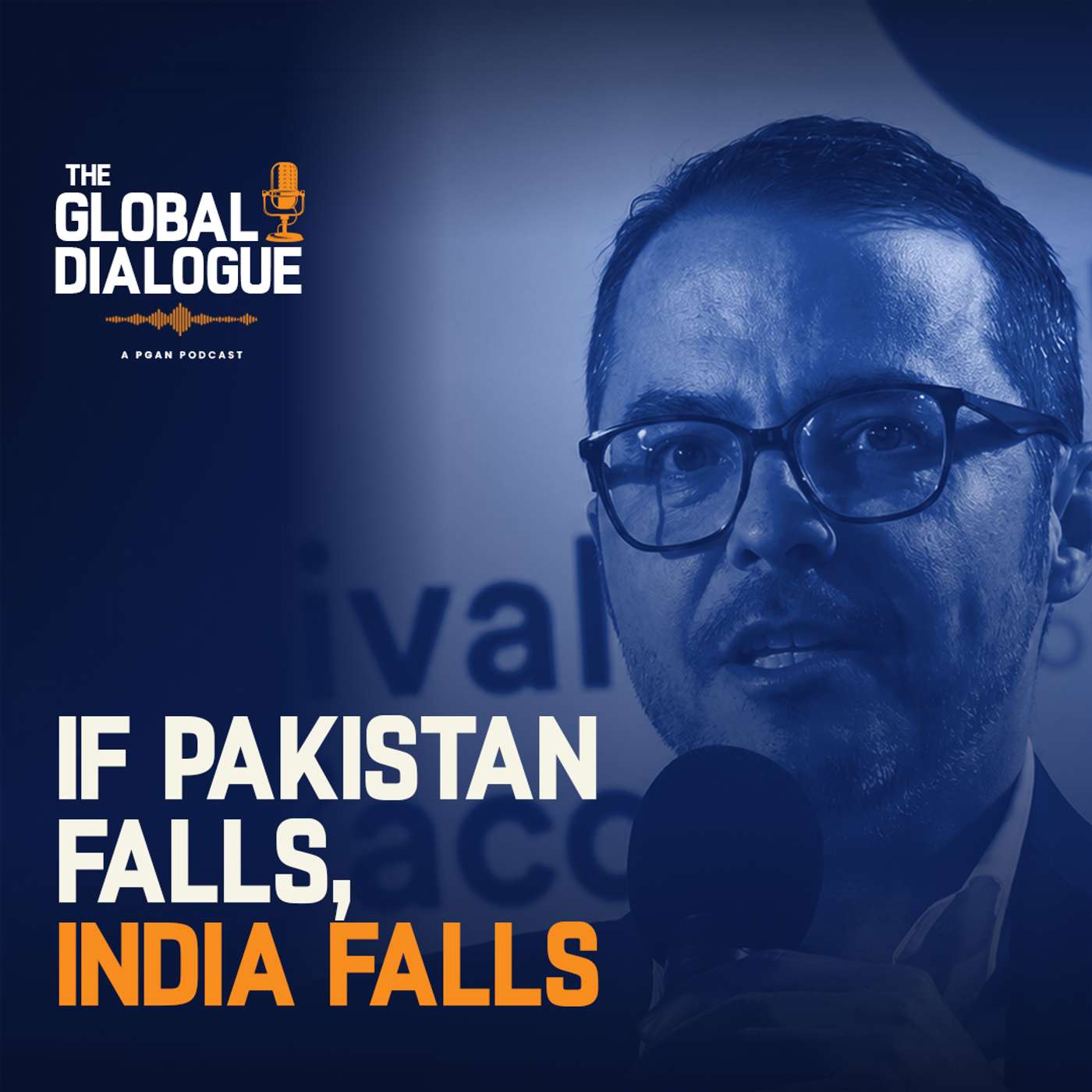
Fourteen months after India placed the Indus Waters Treaty in abeyance, has water weaponisation actually held up? Prof. Filippo Menga, one of the world's leading scholars of hydro-politics, joins The Global Dialogue to unpack what changed India's water calculus, why the Harmon Doctrine still haunts upstream-downstream disputes and whether the threat of future water control now does more geopolitical work than actual diversion.
Prof. Filippo Menga is Associate Professor of Geography at the University of Bergamo and Editor-in-Chief of Political Geography, the flagship journal in the field. One of the world's leading scholars of hydro-politics, he is the author of Thirst: The Global Quest to Solve the Water Crisis and Power and Water in Central Asia.
00:00 Intro
01:26 Fourteen Months On: Has Water Weaponisation Held Up?
06:14 What Changed India’s Water Calculus?
14:58 Harmon Doctrine
16:37 When Water Becomes a Lifeline, Not a Treaty
17:15 A Collapse of Pakistan Means a Collapse of India
20:32 Attacks on Desalination Plants
22:04 Is the IWT Really Exceptional?
26:51 How Information Becomes Power in Hydro-Politics
29:30 Upstream vs Downstream Countries
33:19 Are Dams Engineering or Power Projection?
40:00 Is The Threat of Future Water Control Now Doing More Geopolitical Work Than Actual Water Diversion?
43:05 The Limits of International Water Law
47:44 Is the Indus Case Part of a Global Treaty Breakdown?
51:13 Is the Indus a Warning for Other River Basins?
55:46 Indus, Hormuz and the Future of Water Law
1:00:40 In the Future Will Historians See This as The End or Reinvention of the IWT?
Subscribe for conversations with leading global scholars on the forces shaping Pakistan and the world.
To stay in touch, follow Pakistan Global Alumni Network :
/ pakistanglobalalumninetwork
/ pakglobalalumni