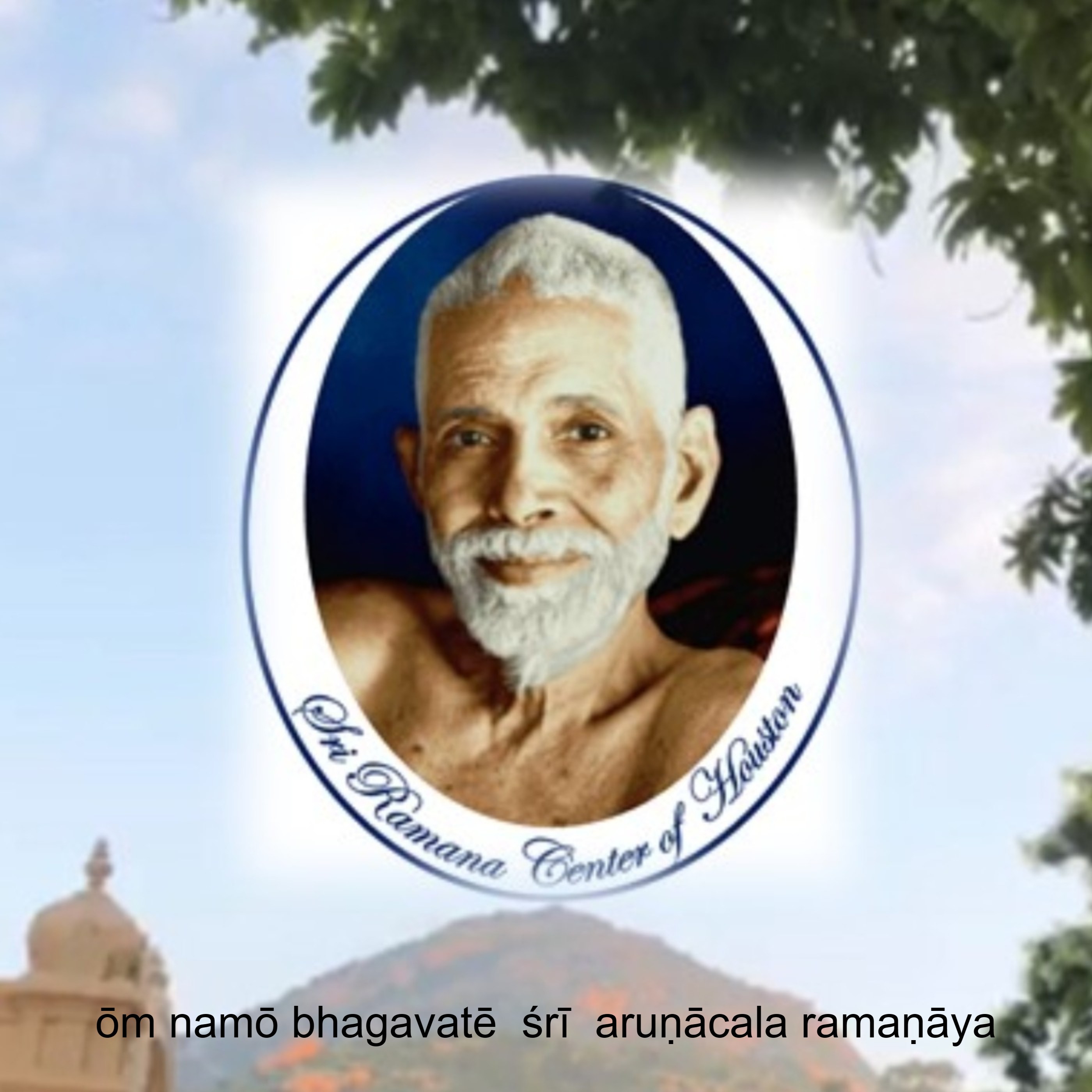
Upadēśa Sāraḥ verses 29 and 30
In a Zoom meeting with Ramana Kendra, Delhi, on 13th November 2022 Michael James discusses the meaning and implications of verses 29 and 30 of Upadēśa Sāraḥ: ----more---- Upadēśa Sāraḥ verse 29 : बन्ध मुक्त्यती तंप रंसुखम् । विन्द तीहजी वस्तु दैविकः ॥ २९ ॥ bandha muktyatī taṁpa raṁsukham vinda tīhajī vastu daivikaḥ पदच्छेद: बन्ध मुक्ति अतीतम् परम् सुखम् विन्दति इह जीवः तु दैविकः. Padacchēda (word-separation): bandha mukti atītam param sukham vindati iha jīvaḥ tu daivikaḥ. English translation: The divine soul certainly experiences here supreme happiness, which transcends bondage and liberation. Explanatory paraphrase: The divine soul [the soul that has seen itself without adjuncts, thereby remaining as its real nature, which is the real nature of God] certainly experiences here [and now] supreme [or ultimate] happiness, which transcends [or is beyond] bondage and liberation. Upadēśa Sāraḥ verse 30 : अहम पेतकं निजवि भानकम् । महदि दंतपो रमण वागियम् ॥ ३० ॥ ahama pētakaṁ nijavi bhānakam mahadi daṁtapō ramaṇa vāgiyam पदच्छेद: अहम् अपेतकम् निज विभानकम् महत् इदम् तपः. रमण वाक् इयम्. Padacchēda (word-separation): aham apētakam nija vibhānakam mahat idam tapaḥ. ramaṇa vāk iyam. English translation: One’s own shining devoid of ‘I’, this is great tapas. This is Ramana’s saying. Explanatory paraphrase: One’s own shining [or shining as one’s own real nature] devoid of ‘I’ [ego], this is great tapas. This is [Bhagavan] Ramana’s saying. This episode can also be watched as a video, 2022-11-13 Ramana Kendra, Delhi: Michael discusses Upadēśa Sāraḥ verses 29 and 30 , and a more compressed audio copy in Opus format (which can be listened to in the VLC media player and some other apps) can be downloaded from here .
You May Also Like

Let the Bible Speak Radio
Dr. Alan Cairns
Daf Yomi: The 35 minute Daf
Daf Yomi
Rabbi Yaakov Wolbe Podcast Collection
TORCH

Your Daily Prayer
Your Daily Prayer

The Protestant Libertarian Podcast
Alex Bernardo

Moriel Ministries
MorielTV

Onwankelbare vreugde - een dagboek van John Piper
Geloofstoerusting

WGKM
KGOR Radio

JeffMara Podcast
Jeff Mara
AWR Mon (ဘာသာ မန် / မွန်ဘာသာ)
Adventist World Radio
Let the Bible Speak Radio
Dr. Alan Cairns
Daf Yomi: The 35 minute Daf
Daf Yomi
Rabbi Yaakov Wolbe Podcast Collection
TORCH
Your Daily Prayer
Your Daily Prayer
The Protestant Libertarian Podcast
Alex Bernardo
Moriel Ministries
MorielTV
Onwankelbare vreugde - een dagboek van John Piper
Geloofstoerusting
WGKM
KGOR Radio
JeffMara Podcast
Jeff Mara
AWR Mon (ဘာသာ မန် / မွန်ဘာသာ)
Adventist World Radio
Community discussion