The Hinterkaifeck Murders
Zoinks. Six people killed on an isolated Bavarian farm in the middle of a snowbound March night -- and then, for four days, the killer didn't leave. He fed the cattle. He stoked the fire. He ate their food. He slept in their beds. And nobody knew.
The gang is heading to Bavaria.
In the early hours of April 1, 1922, the Gruber family farm at Hinterkaifeck -- a remote homestead about 70 kilometers north of Munich -- fell silent in a way that had nothing to do with sleep. Six people were dead: farmer Andreas Gruber, his wife Cazilia, their widowed daughter Viktoria Gabriel, Viktoria's two children, and the new maid Maria Baumgartner, who had arrived only hours before and was killed on her very first day. The weapon was a mattock -- a farm tool, one that was already there. The killer used what the farm provided.
What makes this case one of the most haunting unsolved murders in European history is not the killings themselves, but what came after. Witnesses in nearby villages noticed smoke rising from the Hinterkaifeck chimney for four days following the murders. Someone had collected the mail. Someone had fed the animals. When neighbors finally arrived and found the bodies, investigators discovered that whoever committed these killings had lingered -- living inside the crime scene, among the dead, for the better part of a week.
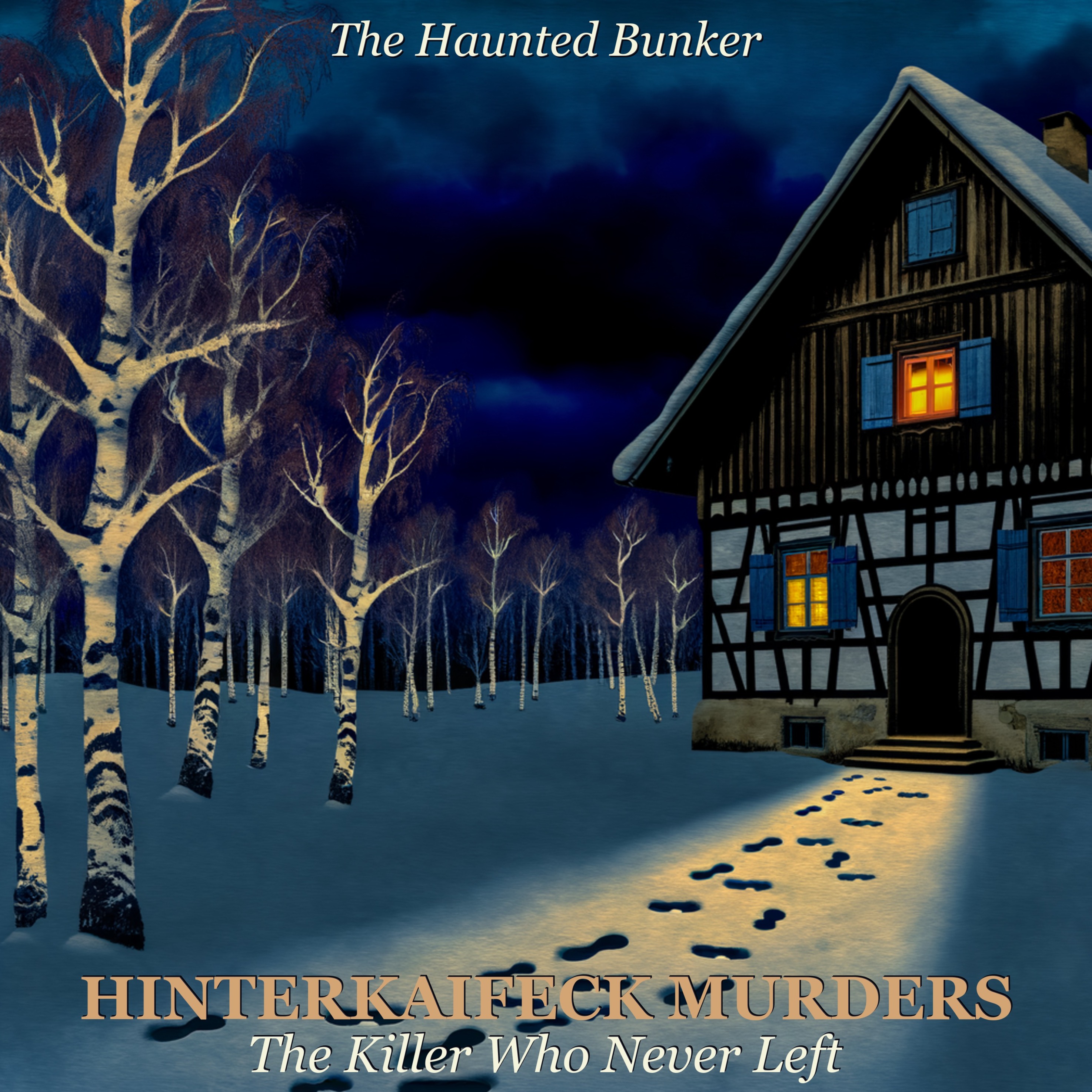
The warning signs had been there for weeks before. Andreas Gruber told neighbors he had found footprints in the snow leading toward the farmhouse -- but none leading away. He heard sounds in the attic. Newspaper pages appeared that no one in the household had purchased. A previous maid had quit the position months earlier, convinced the farm was haunted, and refused to return. Whatever was coming had been circling for a while.
Jinkies -- the investigation that followed became one of the most complex in Bavarian history. Over a hundred suspects were questioned. In a measure that would become one of the more chilling historical footnotes of the case, the victims' skulls were removed and sent to clairvoyants in the hope of generating leads. Those skulls were lost during World War II. A prime suspect, neighbor Lorenz Schlittenbauer, had documented motive and was notably the first person to enter the barn alone when the bodies were discovered. The case was reopened in 2007 by the Bavarian Police Academy. It has never been solved.
The gang will hear the full story: who these people were, the warning signs no one acted on, the evidence investigators pieced together, and the questions that have followed this case for over a hundred years.
What you'll hear in this episode:
The isolated Hinterkaifeck farm and the Gruber family's troubled history
The weeks of strange signs leading up to the night of March 31, 1922
Six killings, one weapon, and a killer who refused to leave
Seven-year-old Cazilia's final moments and what investigators found
Lorenz Schlittenbauer and why he remains the most studied suspect
The investigation's most disturbing choices -- and its unsolved legacy
Our Sponsors:
* Check out BetterHelp and use my code betterhelp.com for a great deal: https://www.betterhelp.com
Advertising Inquiries: https://redcircle.com/brands
Privacy & Opt-Out: https://redcircle.com/privacy
You May Also Like

Serial Killers: Real Life Documentaries
Peter Zahr

True Crime Podcast 2025 - Police Interrogations, 911 Calls and True Police Stories Podcast
True Crime Podcast 2026

Hidden Killers With Tony Brueski | True Crime News & Commentary
True Crime Today

Verbrechen
DIE ZEIT

Situational Awareness Tactics
Circle Of Insight Productions

MK True Crime
MK Media

Courtroom Confidential
Joshua Ritter

Crime Alert Hourly Update
Crime Online

Crime Stories with Nancy Grace
iHeartPodcasts and CrimeOnline

Solved Murders - True Crime Stories
RedditKing
Serial Killers: Real Life Documentaries
Peter Zahr
True Crime Podcast 2025 - Police Interrogations, 911 Calls and True Police Stories Podcast
True Crime Podcast 2026
Hidden Killers With Tony Brueski | True Crime News & Commentary
True Crime Today
Verbrechen
DIE ZEIT
Situational Awareness Tactics
Circle Of Insight Productions
MK True Crime
MK Media
Courtroom Confidential
Joshua Ritter
Crime Alert Hourly Update
Crime Online
Crime Stories with Nancy Grace
iHeartPodcasts and CrimeOnline
Solved Murders - True Crime Stories
RedditKing
Community discussion