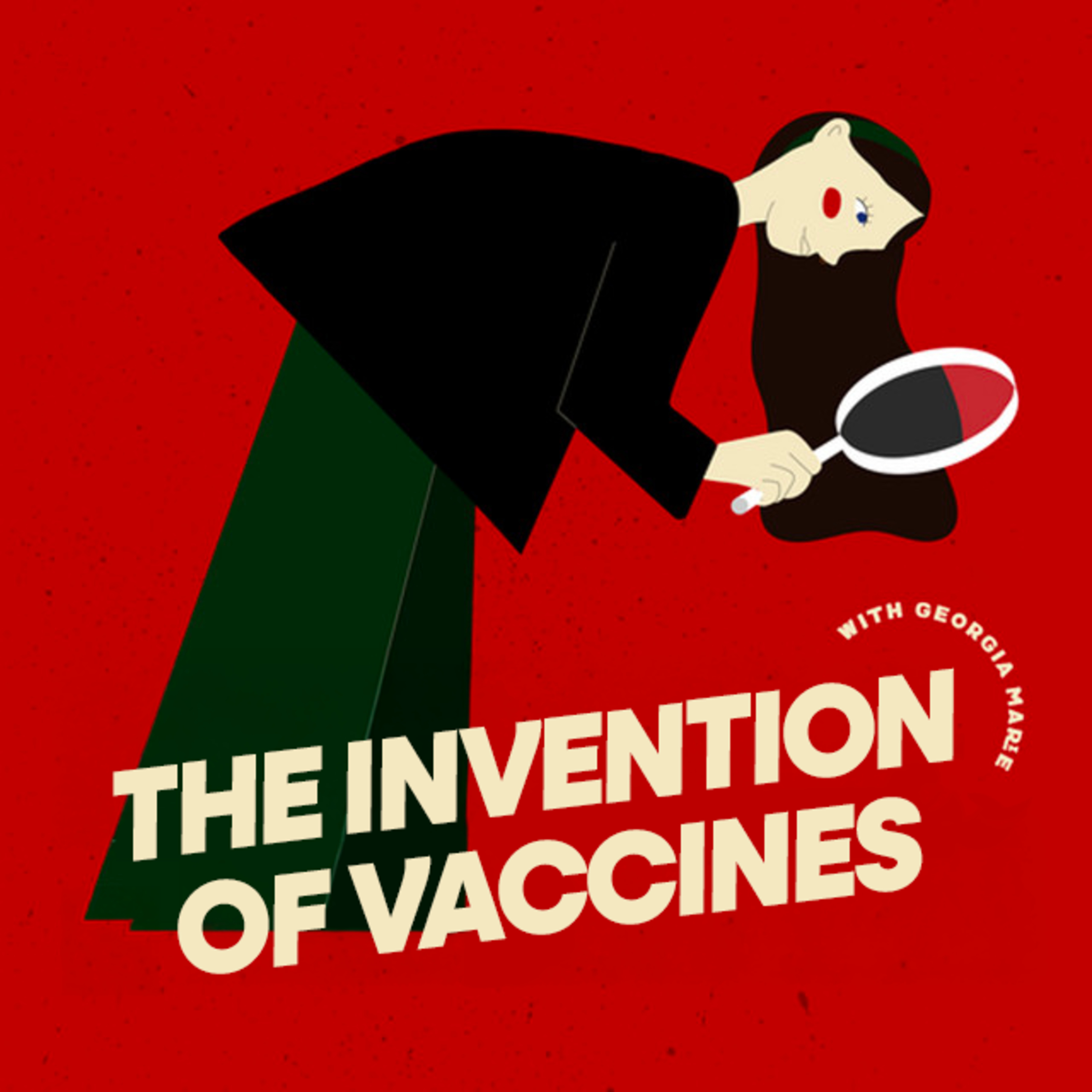
The Invention of Vaccines: Edward Jenner and Smallpox
In 1796, English doctor Edward Jenner noticed a local belief that milkmaids who caught cowpox, a usually mild disease, seemed protected from smallpox, one of history’s deadliest infections. He tested the idea by taking material from a cowpox sore on milkmaid Sarah Nelmes’s hand and inoculating eight-year-old James Phipps.
James became mildly ill, recovered, and later did not develop smallpox when Jenner tested whether the cowpox exposure protected him. The experiment was ethically unacceptable by modern standards, but it demonstrated the principle behind vaccination: safely training the immune system to recognize a dangerous disease.
Jenner did not invent the broader idea of inoculation, earlier practices such as variolation already existed but his cowpox-based method was far safer and became the first successful vaccine. The word “vaccine” itself comes from vacca, Latin for cow.
Almost two centuries later, worldwide vaccination campaigns led the World Health Organization to declare smallpox eradicated in 1980, the only human disease ever eradicated globally.
You May Also Like

MK True Crime
MK Media

The Devil Within
EVIO Creative

Courtroom Confidential
Joshua Ritter

Crime Alert Hourly Update
Crime Online

True Crime Podcast 2025 - Police Interrogations, 911 Calls and True Police Stories Podcast
True Crime Podcast 2026

Mystery - Golden Radio
Various Authors

Mystery - Bedtime Radio
Various Authors
Detective - Nighttime Radio
Various Authors

48 Hours
48 Hours

Crime House Daily
Crime House
MK True Crime
MK Media
The Devil Within
EVIO Creative
Courtroom Confidential
Joshua Ritter
Crime Alert Hourly Update
Crime Online
True Crime Podcast 2025 - Police Interrogations, 911 Calls and True Police Stories Podcast
True Crime Podcast 2026
Mystery - Golden Radio
Various Authors
Mystery - Bedtime Radio
Various Authors
Detective - Nighttime Radio
Various Authors
48 Hours
48 Hours
Crime House Daily
Crime House
Community discussion