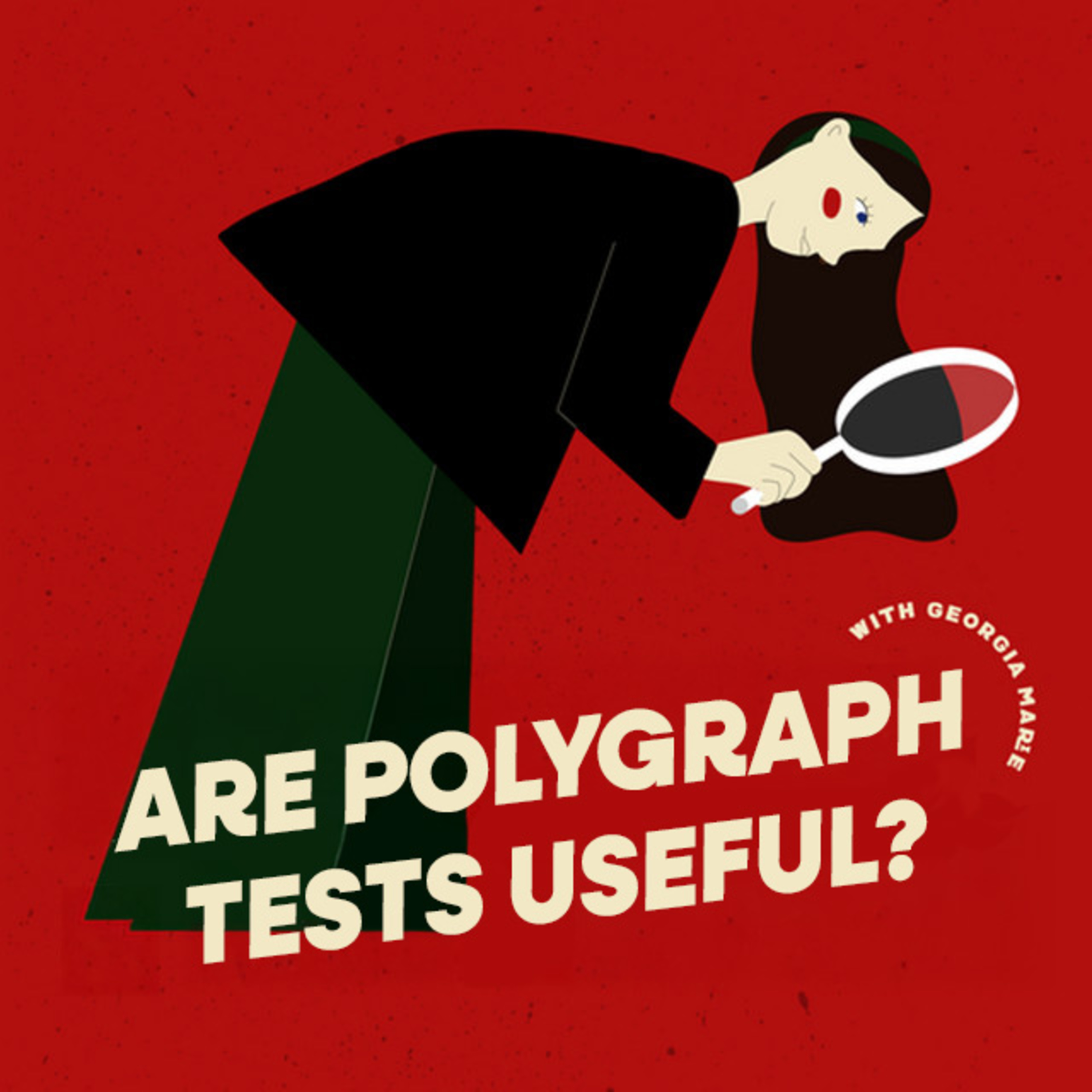
Are Polygraph Tests Really Useful In True Crime?!
Polygraph tests or “lie detectors” sound like the perfect true crime shortcut: strap someone in, ask the right questions, watch the needles jump, and let the machine tell you who’s lying. In reality, they sit in a murky space between science and theatre. They don’t measure lies, they measure stress, heart rate, blood pressure, breathing, sweat, and then a human interpreter decides what those spikes mean, which makes them dangerously persuasive in interrogation rooms and almost useless in courtrooms.
In case after case, people have “passed” while hiding horrific secrets, and others have “failed” simply because they were terrified, traumatized, or anxious, not because they were guilty. That’s why most judges won’t allow polygraph results as hard evidence, and why investigators who lean on them too heavily can end up chasing the wrong suspect or pressuring someone into a confession just to make a bad result go away.
You May Also Like

MK True Crime
MK Media

The Devil Within
EVIO Creative

Love and Murder: Heartbreak to Homicide
Ky Charles

Courtroom Confidential
Joshua Ritter

Crime Alert Hourly Update
Crime Online

True Crime Podcast 2025 - Police Interrogations, 911 Calls and True Police Stories Podcast
True Crime Podcast 2026
Mystery - Golden Radio
Various Authors

Mystery - Bedtime Radio
Various Authors

Detective - Nighttime Radio
Various Authors
48 Hours
48 Hours
MK True Crime
MK Media
The Devil Within
EVIO Creative
Love and Murder: Heartbreak to Homicide
Ky Charles
Courtroom Confidential
Joshua Ritter
Crime Alert Hourly Update
Crime Online
True Crime Podcast 2025 - Police Interrogations, 911 Calls and True Police Stories Podcast
True Crime Podcast 2026
Mystery - Golden Radio
Various Authors
Mystery - Bedtime Radio
Various Authors
Detective - Nighttime Radio
Various Authors
48 Hours
48 Hours
Community discussion