10 High ROI Biohacks that give Elite Entrepreneurs an Unfair Advantage
While so many in society are concerned with making everything fair and equal, elite Entrepreneurs are giving themselves a stark unfair advantage by embracing biohacking.
While so many in society are concerned with making everything fair and equal, elite Entrepreneurs are giving themselves a stark unfair advantage by embracing biohacking. We all have natural limits of how hard and smart we can work. The high-leverage, high-return-on-investment measure is to unleash the mind; enhancing cognition, training working memory, cultivating greater focus, and improving long-term memory. While mitigating and managing the downsides of a life lived intensely; stress and aging.
Who is biohacking...
Tim Ferriss - The 4-Hour guy, salsa dancer, author, and digital nomad turned Silicon Valley venture capitalist. He created the slow-carb diet.Jack Dorsey - Founder and CEO of Twitter, spends up to 2 hours daily meditating.Dave Asprey - The godfather of biohacking. Author of five books. Populizer of orange-tinted blue light blocking sleep hacking glasses.Ben Greenfield - Elite athlete, author, and family man. Professional obstacle course berserker and bow hunter.Joe Rogan - The world’s most famous podcaster. A psychedelic psychonaut.Serge Faguet - A Russian tech entrepreneur. An extreme lifestyle experimenter, who has spent over $200,000 on biohacking.Mike Adams - Time-of-flight lab operator, scientist, author, inventor, and alt-tech free speech innovator.
The sport of entrepreneurship is a high-impact one, like with a high-performance sports car that’s tearing up the track at over 100MPH every weekend, an entrepreneur must pay special attention to maintaining their machinery.Entrepreneurship is an overclocking of our hardware and software, our body and mind, which will cause burn-out and depression inevitably in entrepreneurs who fail to employ a multi-pronged defensive strategy for resilience, rejuvenation, and repair.
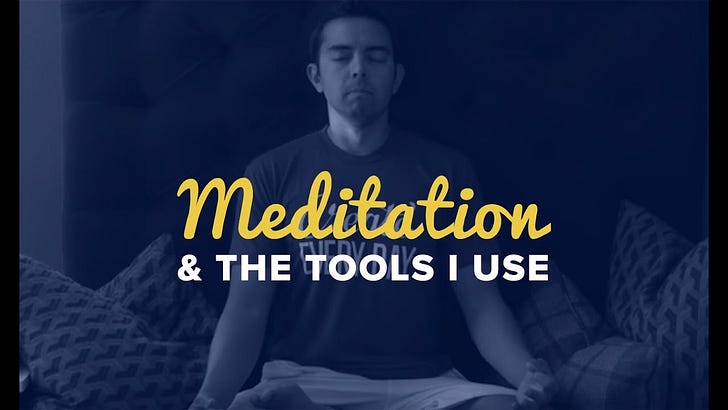
1. Meditation Tech
It’s no secret that daily mindfulness practice is a commonality among high performers, entrepreneurs are using biohacking-mindfulness tech to shortcut the years that it typically takes to master meditation. Notably, Heartmath’s HRV devices, which train you in about 10 minutes a day to reach a state of coherence between your heart and autonomic nervous system, and the Muse brainwave-sensing headband which gives you real-time feedback, training you to play your own brainwaves like a master musician playing an instrument. Entrepreneurship educator extraordinaire Pat Flynn starts his days with a Muse session.
2. Modafinil
Using this anti-narcolepsy drug is kind of like dabbling with the Dark Side of the Force, it gives you incredible powers of focus and will keep you very awake for 8-12 hours, but self-aware biohackers agree that it’s an anti-empathy drug, it may turn you into a benign psychopath for about half a day. There are several other downsides to using it but many Entrepreneurs still use it regularly because it’s such a potent productivity drug. A successful entrepreneur friend of mine (who prefers to remain anonymous) once confided in me that he makes about an extra $50K annually thanks to the 20-odd extra hours of work and focus a week that Modafinil empowers.
3. Nicotine
This addictive little molecule is for some elite health gurus, like Aubrey Marcus of Onnit, a secret weapon for unleashing formidable focus and creativity. It’s no coincidence that Ayn Rand, Tolstoy, Dostoevsky, Tolkien, and many other great novelists were voracious smokers, Nicotine is a creativity smart drug.
* Of course, you shouldn’t smoke (vaping is also probably not a great idea) - the safest way to consume nicotine is in a 5% or 7% liquid solution. It doesn’t taste great, but a few drops of the stuff will really light up your prefrontal cortex.It’s a fast-burning Nootropic, its effect lasts only about 90 minutes, for this reason, it’s the Nootropic I reach for to stimulate my productivity in the waning hours of the day. After 5 PM I don’t take stimulating Nootropics that might mess with my sleep. I can safely do a hit of Nicotine around 7 PM or 8 PM without it interfering with my sleep.
* Nicotine is cheap. Nicotine in PG or VG liquid solution ends up being about a $3/week habit.
* Nicotine is addictive. You’ll get hooked on the stuff, there’s a tendency to develop tolerance and increase the dose. But in my experience, it’s not that addictive, I take regular breaks from Nicotine, I’ll use it for a month and then go off it for a week or two. I never get any nasty withdrawal symptoms from quitting and the cravings are very manageable, as long as the little dropper bottle is out of sight, it’s surprisingly easy to resist. In my experience, coffee is more addictive than Nicotine, although, I drink great coffee...
4. Caffeine
Entrepreneurs have, since time immemorial, relied on coffee - caffeine is a hell of a productivity drug. The good news is that caffeine is healthy if you’re consuming reasonable amounts of it, less than five cups of coffee a day. The bad news is that most coffee you find on store shelves or served by a friendly barista is toxin-ridden crap; the processing and production of most coffee results in mycotoxins which cause brain fog, anxiety, and a myriad of health problems.
* Choose an organic toxin-free brand, toxin-free stuff tastes better and imbues a clear-headed buzz. If you go to cafes and coffee shops, say no to Starbucks, and choose local cafes that take some pride in their product. Chat with the baristas, and ask them what the highest quality bean they offer is.
* Drink your coffee WITHOUT tasty sugary additives. Healthy coffee tastes good, if you need to add spoonfuls of additives to make it palatable you probably shouldn’t be eating it.
* I drink a delicious bulletproof-style coffee daily with Kerrygold butter blended to make it a little creamier beverage, with a healthy shake of anti-inflammatory cinnamon.
5. Sleep Hacking
Sleep really matters; the cost of bad sleep cannot be understated; lack of focus, poor decision-making, diminished immunity, increased risk of disease, and declining health. Yet entrepreneurs often make this losing deal with themselves; stay up late at night working on the computer, robbing themselves of precious sleep, then take stimulants and force themselves to work long hours the next day to make up for their low quality of attention and focus. I instead urge you to choose quality over quantity, if you work fewer hours but get awesome sleep, you’ll ultimately get higher quality work done. Some sleep hacks to
You May Also Like
BIRNABEATZ
BIRNABEATZ

SmoothJazz.com Global
SmoothJazz.com, Inc

Voices from the Field
NCCIH-CCNSA

Teneki
Teneki

Worship & Wonder Daily Devotional
Westminster Presbyterian Church

NGN Radio
osa777

Book Friends Forever
HachetteAudio

Scrolls & Secrets
Scrolls & Secrets

AZense Guideline Updates
Azense Medical Education

Lumin
Geoff Lumley
BIRNABEATZ
BIRNABEATZ
SmoothJazz.com Global
SmoothJazz.com, Inc
Voices from the Field
NCCIH-CCNSA
Teneki
Teneki
Worship & Wonder Daily Devotional
Westminster Presbyterian Church
NGN Radio
osa777
Book Friends Forever
HachetteAudio
Scrolls & Secrets
Scrolls & Secrets
AZense Guideline Updates
Azense Medical Education
Lumin
Geoff Lumley
Community discussion