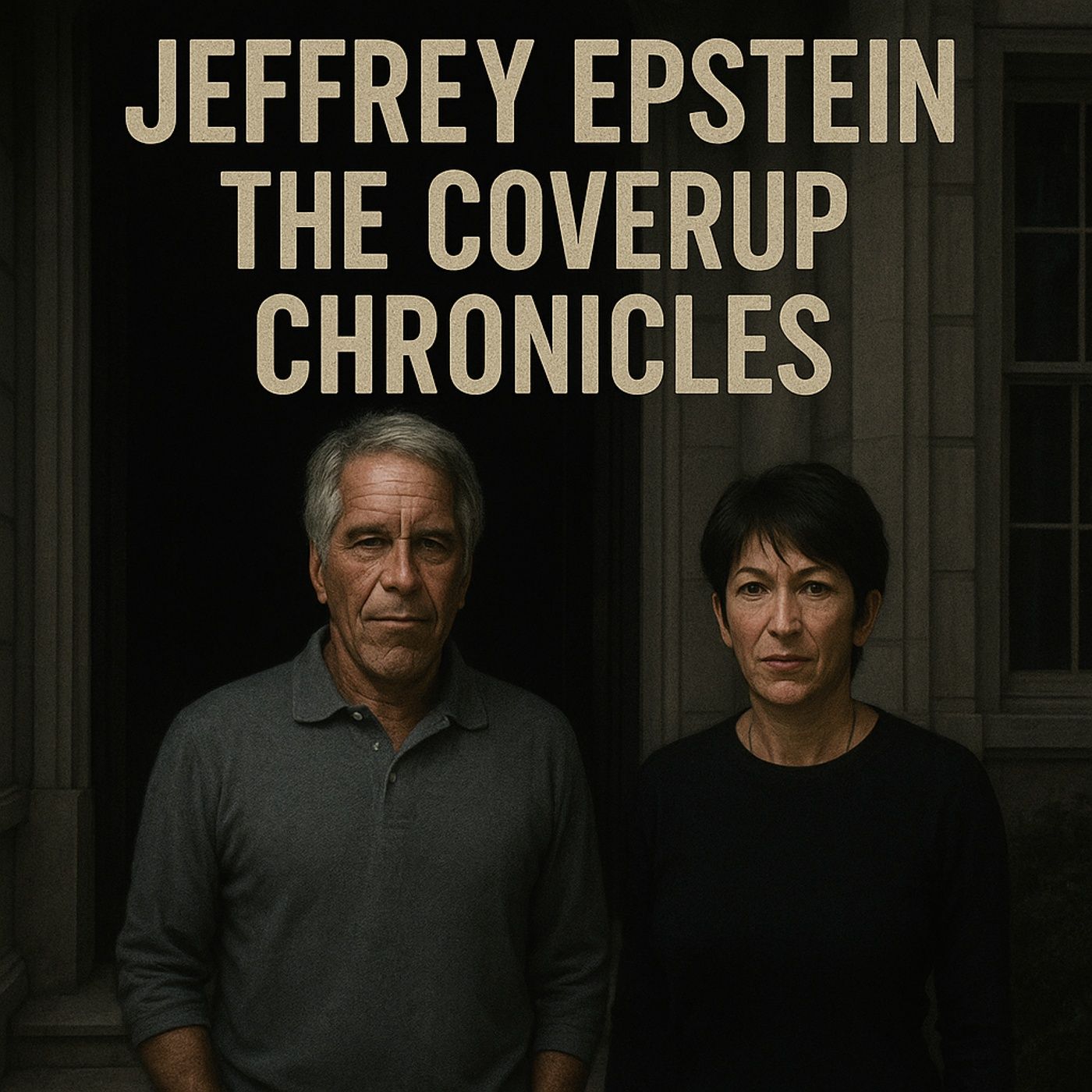
Mega Edition: Jeffrey Epstein, The Plea Deal And His Alleged Protection (10/22/26)
Jeffrey Epstein should never have received the 2007 non-prosecution agreement that allowed him to avoid a federal prosecution and instead resolve the case through extraordinarily lenient state charges in Florida. Federal investigators had developed substantial evidence involving numerous underage victims, and yet Epstein received an agreement that not only protected him from federal prosecution but also extended immunity to unnamed potential co-conspirators. Victims were kept in the dark while the agreement was negotiated, and the Justice Department’s own Office of Professional Responsibility later concluded that Alexander Acosta exercised poor judgment in resolving the federal investigation through the NPA and in failing to ensure that victims were properly informed. Whatever legal arguments Epstein’s high-powered defense team made, the result was undeniable: a wealthy, well-connected man accused of sexually abusing numerous minors received treatment that would have been almost unimaginable for an ordinary defendant facing comparable evidence. The secrecy surrounding the agreement, the breadth of the immunity language and the government’s willingness to abandon a potentially much more serious federal prosecution created a credibility problem that has never really gone away. That extraordinary treatment also helped fuel years of speculation that Epstein had protection extending far beyond his lawyers and social connections, including persistent claims that he had some relationship with the intelligence community. The most explosive version came from journalist Vicky Ward, who reported that during Acosta’s vetting for the Trump administration, Acosta allegedly said he had been told Epstein “belonged to intelligence” and that the matter was above his pay grade. That account was attributed to an unnamed former senior White House official and has never been independently proven; Acosta later cautioned against treating the reporting as fact. Still, the allegation endured because it seemed to provide a possible explanation for an outcome that otherwise looked so difficult to justify: a defendant facing serious allegations involving minors was given an unusually protective deal, powerful associates escaped meaningful scrutiny, and the agreement itself remained shrouded in secrecy for years. There is no publicly established evidence proving that an intelligence agency ordered prosecutors to protect Epstein, but the combination of the NPA, Epstein’s international connections, his relationships with powerful figures and the reported Acosta remark ensured that suspicions of intelligence protection became one of the most persistent unanswered questions surrounding the entire case. to contact me: [email protected]