Taking Technology for What It Is, and Let's Stop Humanizing AI
Taking Technology for What It Is, and Let's Stop Humanizing AI
A new transmission from An Analog Brain In A Digital Age, by Marco Ciappelli
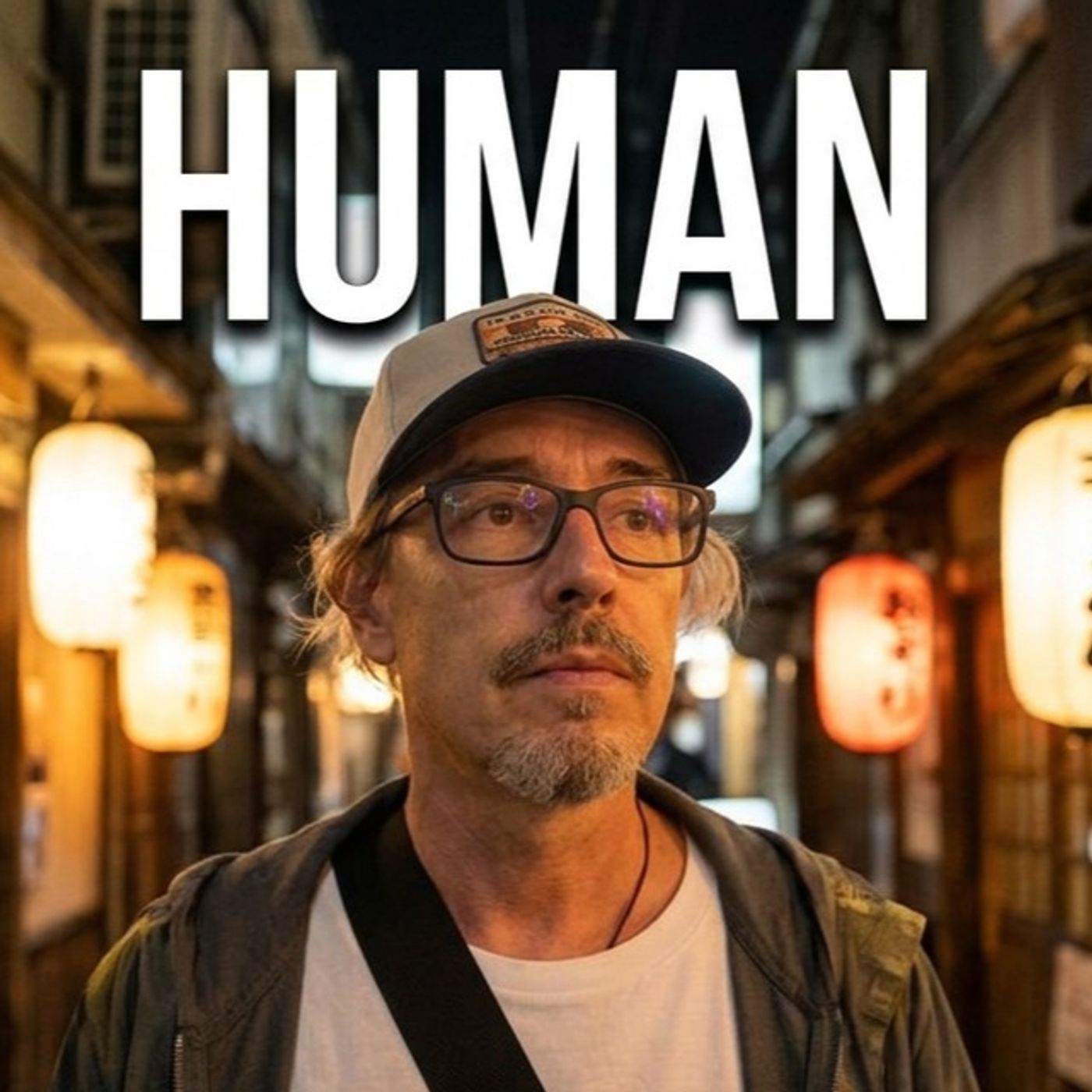
Prefer to watch? I recorded this one walking uphill through a Tokyo alley. YouTube: https://youtu.be/5nhBNMJ7LFI TikTok: https://vm.tiktok.com/ZN8hExSpT/ Instagram: https://www.instagram.com/reel/DeF7fz2gdpE/
It was night, the alley was narrow, and the street was going uphill.
Just me and a small camera. It points where I point it. It records what's in front of it. It focuses, it adjusts to the dark, and when the battery dies, it stops. It doesn't pretend to listen. It doesn't nod. It does its job, and I have never once mistaken it for a friend.
This is the second of the short pieces I'm recording here in Japan. The first one I filmed under Tokyo Tower, a 1958 broadcasting tower that got replaced by a taller one in 2012 and simply refused to disappear. It still sends FM radio across the city. It still lights up every night. The new tower didn't erase it. They share the skyline. Watch it here: https://youtu.be/glGHghhhXWc
I closed that one asking why we are always in such a hurry to kill the old technology the moment a new one shows up.
This one started somewhere else. Earlier that day I had read two articles about people who talk to AI. Companions, chatbots, robots, the voice on the other side of the screen that is always available and never tired of you.
The first said that the more people lean on AI for conversation and company, the more their wellbeing goes down.
The second said the opposite. Older people using AI companions found them genuinely helpful. With one condition: they understood what they were talking to. A machine that wasn't pretending to be human. Wasn't pretending to be intelligent the way we are. Wasn't pretending to feel anything at all.
Same day. Same subject. Opposite conclusions.
Except the second one came with a condition. And conditions are usually where the truth is hiding.
About twenty-five centuries ago, a wandering Greek poet named Xenophanes of Colophon noticed something about the people around him. The Ethiopians made their gods dark-skinned and snub-nosed. The Thracians gave theirs blue eyes and red hair. Everyone looked up at the sky and found their own face looking back.
Then he pushed the joke one step further. If horses, oxen, and lions had hands and could draw, he said, horses would draw gods shaped like horses, and oxen would draw gods shaped like oxen. Each would give the divine the body it already had. I like to think the lions would add a mane.
We have always done this. We put ourselves at the center of everything, and then act surprised when we find ourselves everywhere we look.
For most of history we did it with gods. Then we started doing it with machines.
The old machines made it easy to resist. The transistor radio I kept pressed to my ear as a teenager brought me vo
You May Also Like

Artificial Intelligence Masterclass
AI Masterclass

The Daily AI Show
The Daily AI Show Crew - Brian, Beth, Jyunmi, Andy and Karl

CriptoMonedas TV
CriptoMonedas TV

Jack Hopkins
Jack Hopkins

Theo - t3․gg
Theo - t3․gg

AI Unraveled: Latest AI News & Trends, ChatGPT, Gemini, DeepSeek, Gen AI, LLMs, Agents, Ethics, Bias
Etienne Noumen

Security Weekly News (Audio)
Doug White

Security Weekly Podcast Network (Video)
Security Weekly Productions

TBPN
John Coogan & Jordi Hays

Engadget News + Next
Engadget
Artificial Intelligence Masterclass
AI Masterclass
The Daily AI Show
The Daily AI Show Crew - Brian, Beth, Jyunmi, Andy and Karl
CriptoMonedas TV
CriptoMonedas TV
Jack Hopkins
Jack Hopkins
Theo - t3․gg
Theo - t3․gg
AI Unraveled: Latest AI News & Trends, ChatGPT, Gemini, DeepSeek, Gen AI, LLMs, Agents, Ethics, Bias
Etienne Noumen
Security Weekly News (Audio)
Doug White
Security Weekly Podcast Network (Video)
Security Weekly Productions
TBPN
John Coogan & Jordi Hays
Engadget News + Next
Engadget
Community discussion