
Israel Today: Ongoing War Report - Update from 2025-11-12 at 11:08
HEADLINES Trump urges Netanyahu pardon as Herzog decides Army Radio to shut with civilian oversight Hezbollah defies disarmament as border tensions escalate The time is now 6:01 AM in New York, I'm Noa Levi and this is the latest Israel Today: Ongoing War Report. Good morning. Here is your hourly snapshot of events shaping the Middle East and the surrounding region, with careful attention to Israeli security concerns and US policy perspectives, alongside regional voices and developments that matter to an international audience. The week’s top story in Jerusalem concerns the ongoing political moment surrounding the former prime minister. By letter and through public statements, President Donald Trump urged President Isaac Herzog to grant a full pardon to Benjamin Netanyahu, arguing that the trial against the prime minister has become a political instrument. Herzog received the letter and acknowledged Trump’s views, while noting that any decision on clemency must follow established procedures. The exchanges highlight the enduring political alignment between parts of Washington and Israeli leadership as Israel faces both security pressures and domestic political maneuvering. Israeli officials and observers are watching for any shift in the legal or political landscape that could affect leadership during a period of heightened regional tension. In a move certain to reverberate across Israel’s political and media environment, Defense Minister Israel Katz announced plans to close Army Radio, the publicly funded, IDF-controlled broadcaster that has long been a central source of information for many soldiers and civilians. Katz said a transition to civilian oversight would preserve the military’s nonpartisan character, with a proposed timeline targeting a March 1, 2026 cessation of broadcasts. The announcement was met with swift criticism from Army Radio’s leadership and from journalists’ unions, which argued the closure would threaten press freedom and the public’s access to independent military reporting. The leadership at Army Radio has accused the proposal of flaws in the process, including conflicts of interest in the committee that recommended the closure. The government’s move has triggered a broader debate about how Israel balances military oversight, press independence, and public accountability, a debate that in recent years has included proposals to privatize or reform state broadcasters such as KAN. Analysts say the dispute could shape the climate for media scrutiny of national security matters during a critical period for Israeli security and domestic politics. Across the border, tensions with Hezbollah remain sharply in focus. Hezbollah leadership has warned that it will not disarm north of the Litani River and has pushed back against Lebanese authorities’ calls to surrender weapons. At the same time, the Israeli Defense Forces have carried out strikes in southern Lebanon aimed at preventing the rebuilding of militant infrastructure. US policy continues to urge full disarmament of Hezbollah and to cut Iranian funding to the group, stressing that Iran’s influence in Lebanon remains a core area of American concern. The current trajectory suggests a fragile balance between deterrence and potential escalation, with regional analysts emphasizing that the next moves by Hizballah and its Iranian backers could influence Israel’s security calculations for weeks to come. Geopolitical tremors were felt as a magnitude 5.7 earthquake struck off Cyprus, with reports that the tremor was felt in northern Israel, including Haifa, Nazareth, and Tiberias. Civil authorities say there were no immediate reports of injuries or major damage. Seismic authorities in Europe and the region advised preparedness for possible aftershocks and reminded the public to follow standard earthquake safety guidance. While the event was not linked to any direct military activity, it serves as a reminder of how regional crises—natural or man-made—can add a layer of uncertainty to an already tense security environment. In regional diplomacy, Syria’s leadership continues to draw attention as President Ahmad al-Sharaa faced questions about past associations with al-Qaida. In a highly watched interview, al-Sharaa’s evasive responses drew criticism online, with commentators noting the discrepancy between his past designation and current geopolitical posture as Syria seeks to reframe its regional role. Observers say the episode underscores ongoing questions about Syria’s relationships and future alignments as it navigates its own post-conflict recalibration and broader regional diplomacy. Security and law enforcement developments inside Israel also made headlines. Investigations into weapons recovered from a car crash and related criminal activity continued, highlighting ongoing concerns about the domestic security threat landscape in the wake of conflicts in Gaza and ongoing militant activity. In parallel, police and investigative authorities repo
You May Also Like

NPR News Now
NPR

24/7 News: The Latest
iHeartPodcasts and TTWN

Letters from an American
Heather Cox Richardson

مجلههای زنده رادیو فردا
رادیوفردا

The Luke Beasley Show
Luke Beasley

AP Newswatch: Top Stories from the Associated Press
The Associated Press

Bloomberg Tech
Bloomberg

State of the World from NPR
NPR

Mr News
Vco 24
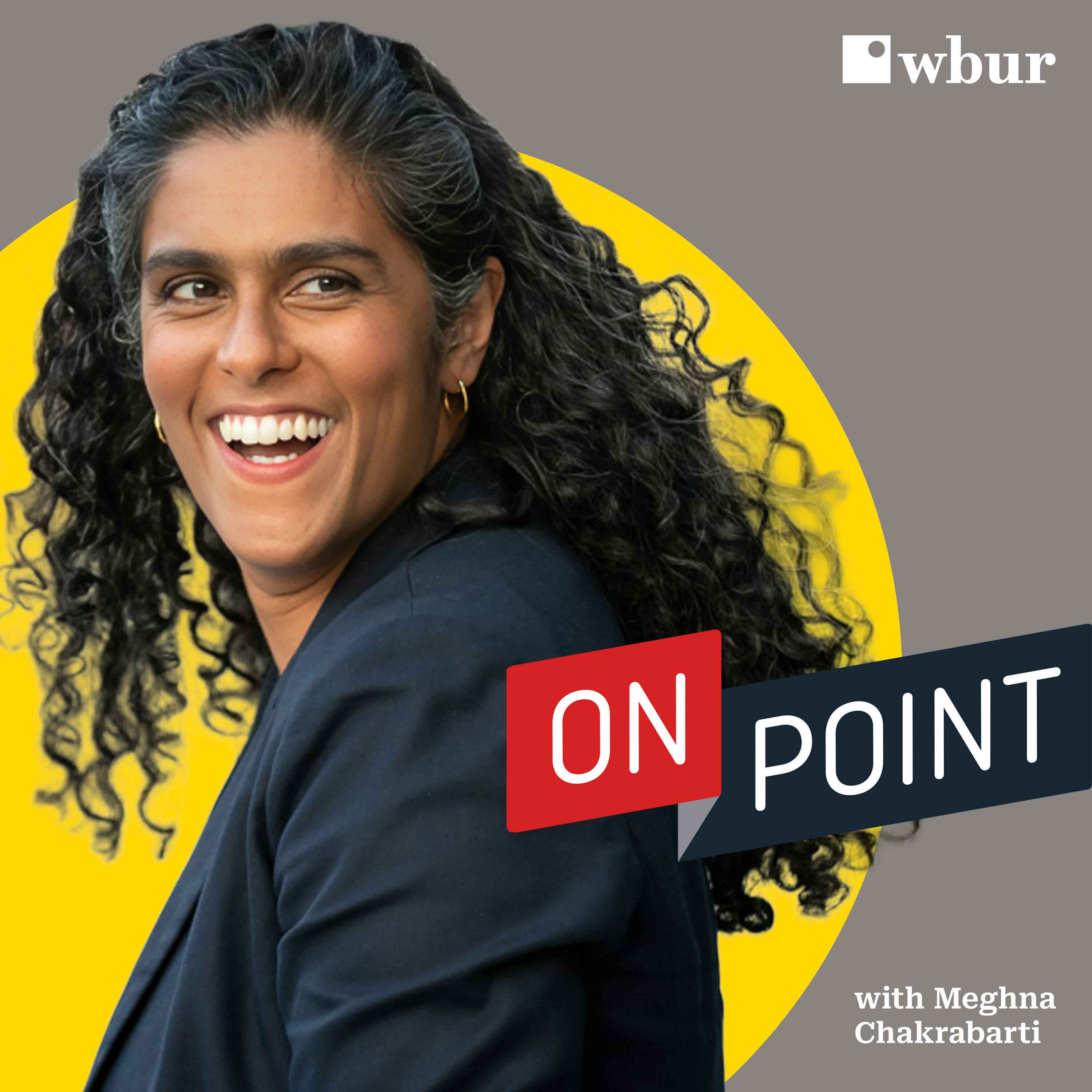
On Point with Meghna Chakrabarti
WBUR
NPR News Now
NPR
24/7 News: The Latest
iHeartPodcasts and TTWN
Letters from an American
Heather Cox Richardson
مجلههای زنده رادیو فردا
رادیوفردا
The Luke Beasley Show
Luke Beasley
AP Newswatch: Top Stories from the Associated Press
The Associated Press
Bloomberg Tech
Bloomberg
State of the World from NPR
NPR
Mr News
Vco 24
On Point with Meghna Chakrabarti
WBUR
Community discussion