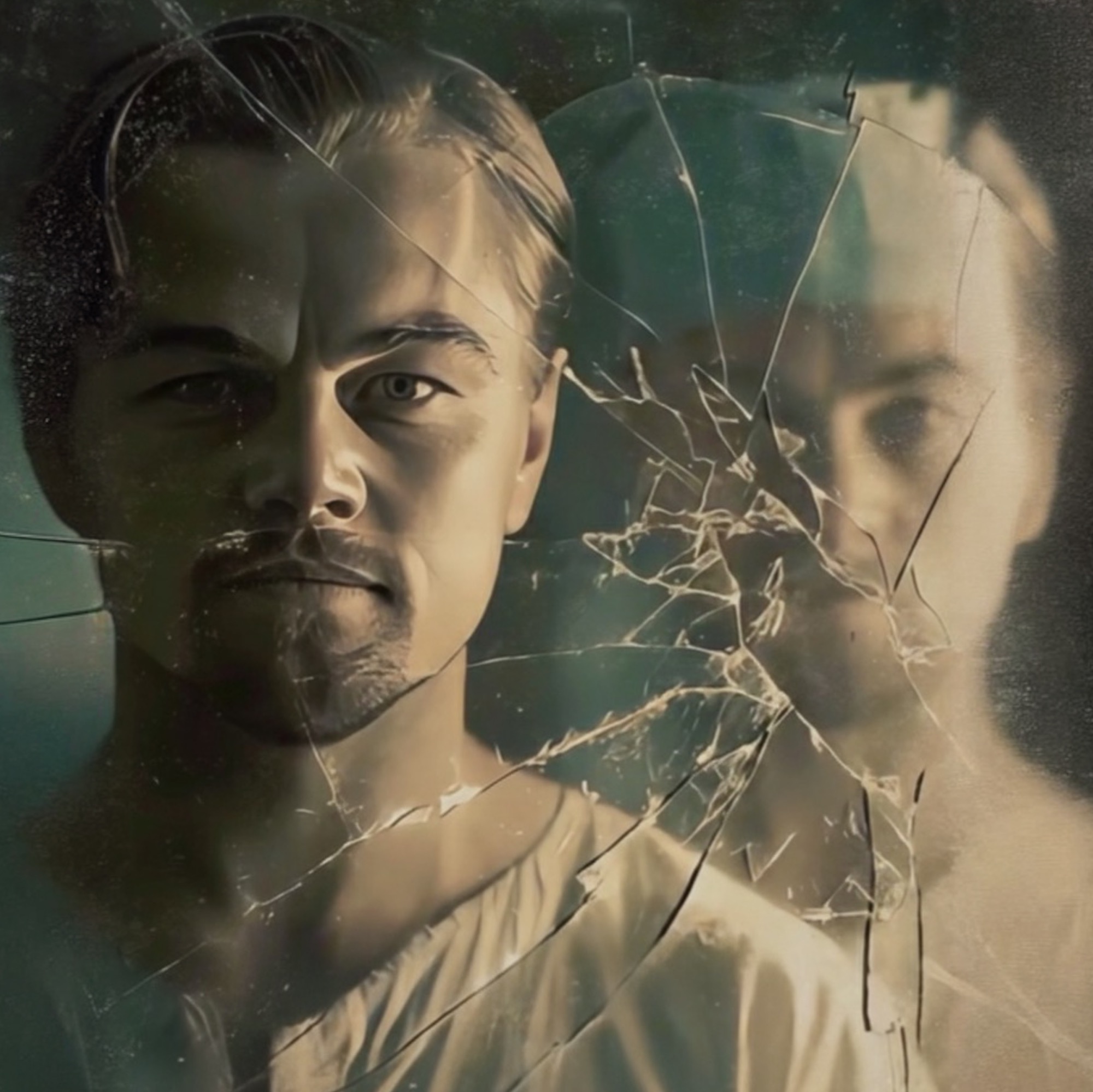
In 1939–45 , hospital newsletters mention a stern young surgeon named Dr. Leonard Clark . In 1984 , a West Virginia taxi driver with the same name crashed on a rain-slick road and slipped into a deep coma. Doctors said he’d never wake up. Six months later, he did—disoriented but oddly certain. His first words: “Prepare the patient for surgery.” Before anyone could correct him, Leonard walked down the hall, stepped into the operating room, picked up a scalpel, and began giving precise instructions no taxi driver should know. When the real surgeons intervened, he bristled. He insisted he’d been head surgeon there since 1943 . To prove it, he tore open plaster by the OR and pulled a rusted scalpel from the wall—its handle engraved: “Dr. Leonard Clark, 1943.” Then he led staff to a locked basement door no one had noticed. Behind it lay a forgotten surgical wing, dust-choked and abandoned. On the wall hung a black-and-white photo of the hospital’s founders. One of them was labeled Leonard Clark . Administrators sealed the wing and called it a relic. Leonard’s family swore he’d never studied medicine. But on quiet nights, nurses said, he still walked the corridors like he’d built them.