They Saw What the United Nations Couldn’t
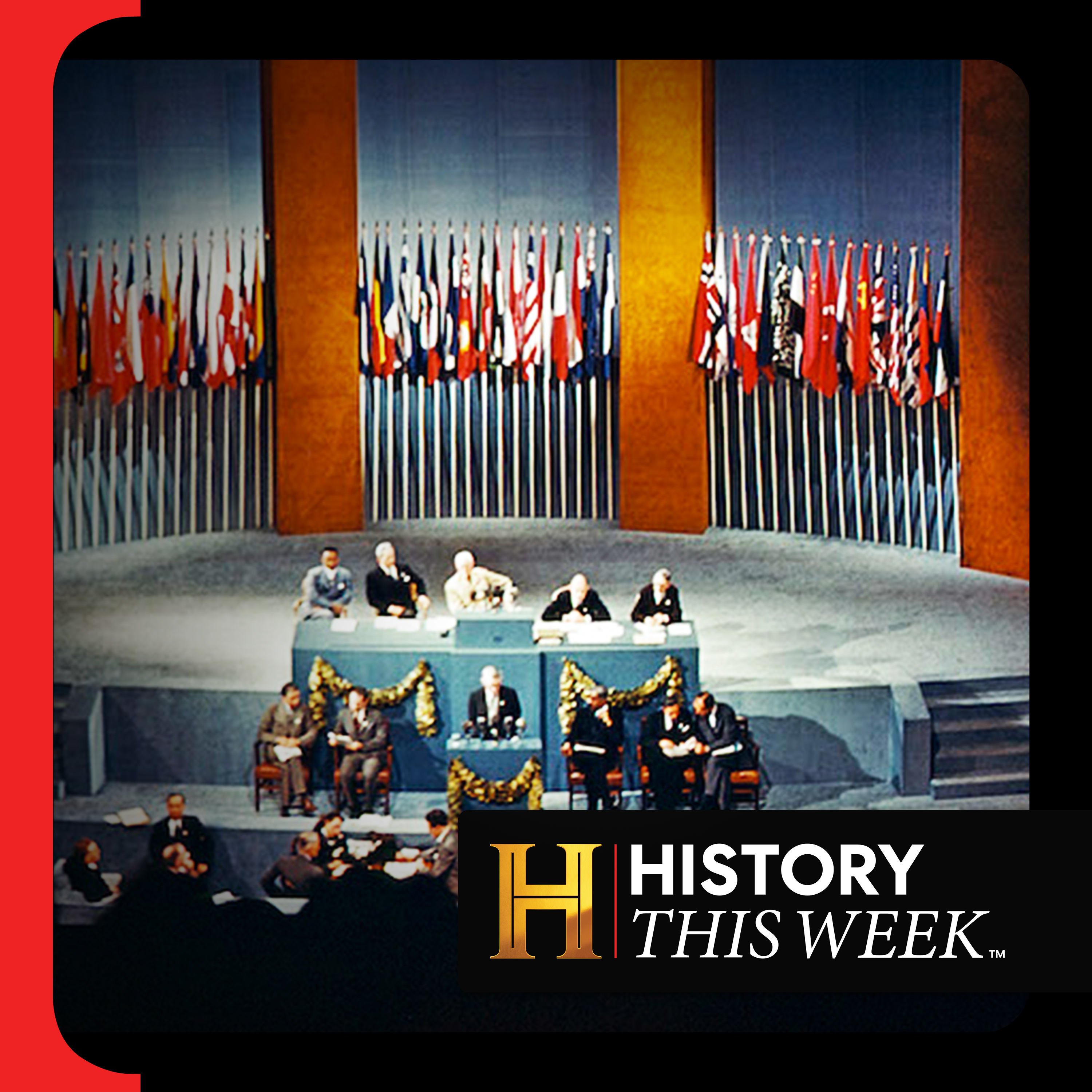
October 24, 1945. The Charter of the United Nations is signed, promising to “save succeeding generations from the scourge of war.” Back when the charter was drafted a few months earlier in San Francisco, delegates from around the world gathered to build a new era of peace and human rights. Among them is Mary McLeod Bethune, the only Black woman in the U.S. delegation, and she already sees the contradictions beneath the moment: colonial powers writing freedom into a document that excludes millions. Years later, journalist Marguerite Cartwright will carry that insight forward, holding the UN to the ideals it claimed to represent. Why did these two Black women believe the UN was so important, when their own country continued to deny them equality? And how can their work reframe the way we view the struggle for Civil Rights beyond U.S. borders, for all nations? Special thank you to Keisha Blain, professor of Africana Studies and History at Brown University and author of Without Fear: Black Women and the Making of Human Rights. -- Get in touch: [email protected] Follow on Instagram: @historythisweek Follow on Facebook: HISTORY This Week Podcast To stay updated: http://historythisweekpodcast.com
You May Also Like

Les grands dossiers de l'Histoire par Franck Ferrand
Radio Classique

Stuff You Missed in History Class
iHeartPodcasts
Ridiculous History
iHeartPodcasts
BBC Lê
BBC Brasil
Everything Everywhere Daily
Gary Arndt

Christian History Almanac
1517 Podcasts

Southern Ghost Stories
Southern Ghost Stories

The Team House
dee takos
WSMF Broadcast Day Podcast
Tomwsmf
Interesting Things with JC
JC
Les grands dossiers de l'Histoire par Franck Ferrand
Radio Classique
Stuff You Missed in History Class
iHeartPodcasts
Ridiculous History
iHeartPodcasts
BBC Lê
BBC Brasil
Everything Everywhere Daily
Gary Arndt
Christian History Almanac
1517 Podcasts
Southern Ghost Stories
Southern Ghost Stories
The Team House
dee takos
WSMF Broadcast Day Podcast
Tomwsmf
Interesting Things with JC
JC
Community discussion