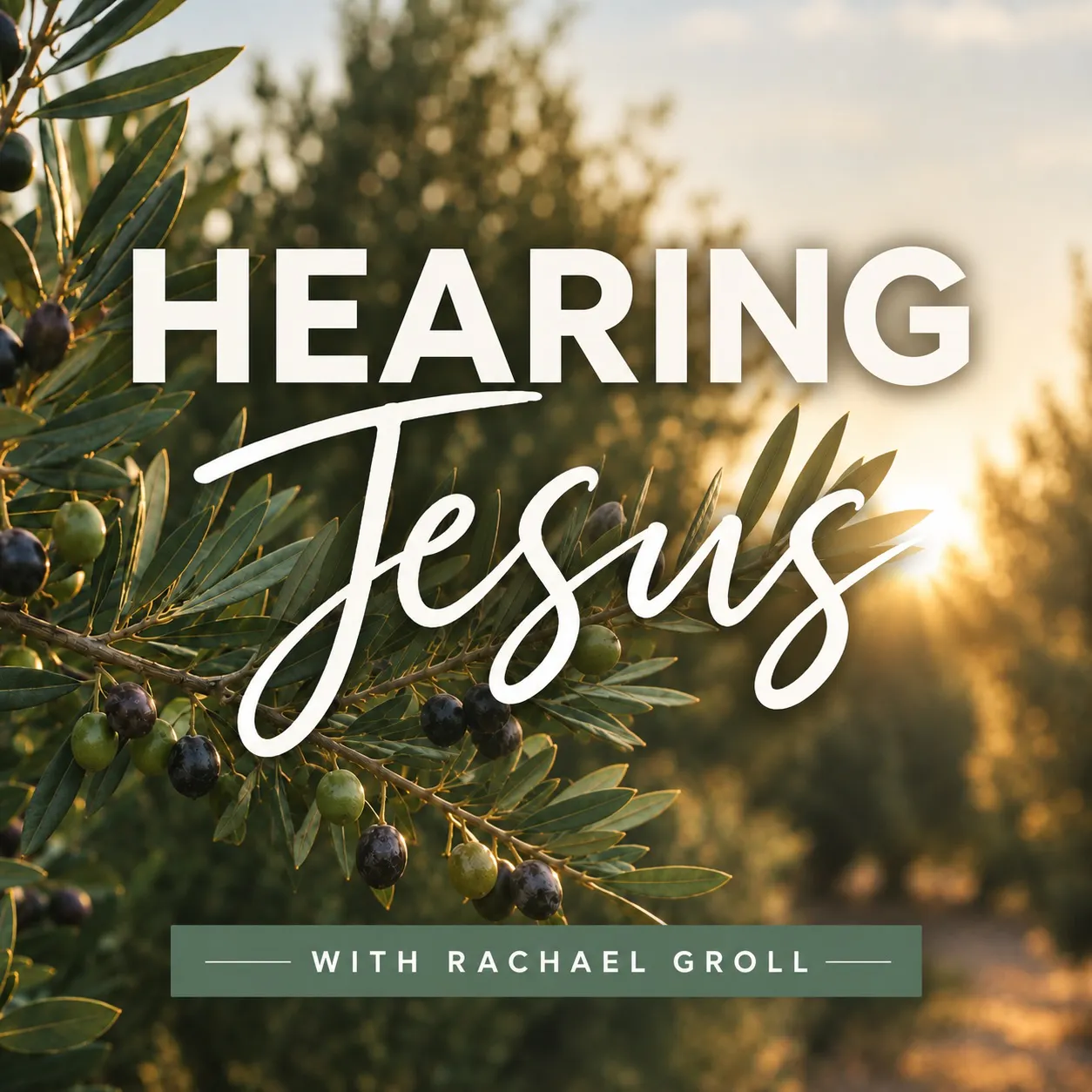
When the Grave Isn't the Final Word: Hope in the Roman Catacombs
Just outside the old city of Rome are miles of narrow tunnels called the catacombs, the cemetery of the early church. Christians weren't hiding there. They weren't allowed to bury their dead inside the city, and they didn't want cremation because they believed the body would rise again. So they dug down and laid their loved ones to rest. On those walls they carved hope. The fish, ichthys, stood for Jesus Christ, God's Son, Savior. The Good Shepherd carried a lamb on His shoulders. And the anchor came straight from Hebrews. "This hope we have as an anchor of the soul, a hope both sure and steadfast." (Hebrews 6:19) I also share about losing my mom this year, and the moment in my grief when the Lord said, She's here and she's whole. The early church refused to let the grave have the last word. Because Jesus rose, we don't have to either. Timestamps 00:34 What the catacombs really are 04:53 The symbols on the walls: the fish 06:44 The anchor and the Good Shepherd 10:31 Refusing to let the grave have the last word 14:39 Losing my mom, and she's here and she's whole Did early Christians hide in the catacombs? That's mostly the movie version. The catacombs were burial grounds, though believers did gather there to worship and remember their dead. Going down into the catacombs is one of the stops on our Rome trip. Tracing a fish carved into the stone with your own finger changes how you think about both life and death. Bible Study Live is a small-group Bible study trip with Rachael Groll. Study Scripture where it happened in Rome, or slow down for a contemplative Bible study retreat in Maui. Dates and details at BibleStudyLive.org Learn more about your ad choices. Visit megaphone.fm/adchoices
You May Also Like

Let the Bible Speak Radio
Dr. Alan Cairns
Padre José Augusto (OFICIAL)
Homilias padre José Augusto
PersianBMS Daily Podcasts | برنامههای کامل روزانه
PersianBMS

Bibel in einem Jahr: Eine Reise durch die Heilige Schrift
Samuel Glöggl

JeffMara Podcast
Jeff Mara

Quazi Johir
Quazi Johir
Ten Minute Halacha
Rabbi Aryeh Lebowitz

WGKM
KGOR Radio

Quién como Dios?
Quién como Dios?

Catholic Reading of the Day
Daily Liturgy
Let the Bible Speak Radio
Dr. Alan Cairns
Padre José Augusto (OFICIAL)
Homilias padre José Augusto
PersianBMS Daily Podcasts | برنامههای کامل روزانه
PersianBMS
Bibel in einem Jahr: Eine Reise durch die Heilige Schrift
Samuel Glöggl
JeffMara Podcast
Jeff Mara
Quazi Johir
Quazi Johir
Ten Minute Halacha
Rabbi Aryeh Lebowitz
WGKM
KGOR Radio
Quién como Dios?
Quién como Dios?
Catholic Reading of the Day
Daily Liturgy
Community discussion