
Microplastics in Humans
Alarming' amounts of microplastics found in human brains
You don't normally think of your brain being polluted but, chances are, it is. Researchers say they have found an "alarming" amount of microplastics in human brains, as well as other crucial organs.
"There’s much more plastic in our brains than I ever would have imagined or been comfortable with, said Matthew Campen, a toxicologist at the University of New Mexico, one of the scientists studying the issue.
Given the research findings, “it is now imperative to declare a global emergency” to deal with plastic pollution, said Sedat-Guendogdu, who studies microplastics at Cukurova University in Turkey.
Humans are exposed to microplastics – defined as fragments smaller than 5mm in diameter – and the chemicals used to make plastics from widespread plastic pollution in air, water and even food.
Finding microplastics in more and more human organs “raises a lot of concerns”, given what we know about health effects in animals, studies of human cells in the lab, and emerging epidemiological studies, said Bethanie Carney Almroth, an ecotoxicologist at the University of Gothenburg in Sweden. “It’s scary, I’d say,” he said, according to a report in The Guardian.
What can you do?
It’s obviously a global problem that doesn’t really lend itself to individual solutions, but there are a few things consumers can do to increase their safety margin, including:
Dietary Habits:
- Reduce seafood consumption: Seafood is a major source of microplastic ingestion. Consider reducing your intake, especially of shellfish and smaller fish.
- Choose filtered water: Invest in a water filter certified to remove microplastics. Alternatively, consider using glass or stainless-steel bottles and refilling them with filtered water.
- Minimize processed foods: Processed foods often contain microplastics from packaging and processing equipment. Opt for fresh, whole foods whenever possible.
- Avoid heating food in plastic: Microplastics can leach into food from plastic containers when heated. Use glass
Lifestyle Choices:
- Use reusable containers and utensils: Avoid single-use plastic items like bags, cutlery, and straws.
- Choose natural fibers for clothing: Synthetic fabrics like polyester and nylon shed microplastic
- Air purifier with HEPA filter: Consider using an air purifier with a HEPA filter to reduce microplastics in indoor air.
Brains contained more than other organs
Prepare for your next adventure with Love
Homemade Nutrition
You May Also Like

Ultimate Homeschool Podcast Network
Ultimate Homeschool Podcast Network

Hamza Selfimprovement
Adonis Gang

5 Minutes Good Time
Mission To The Moon Media
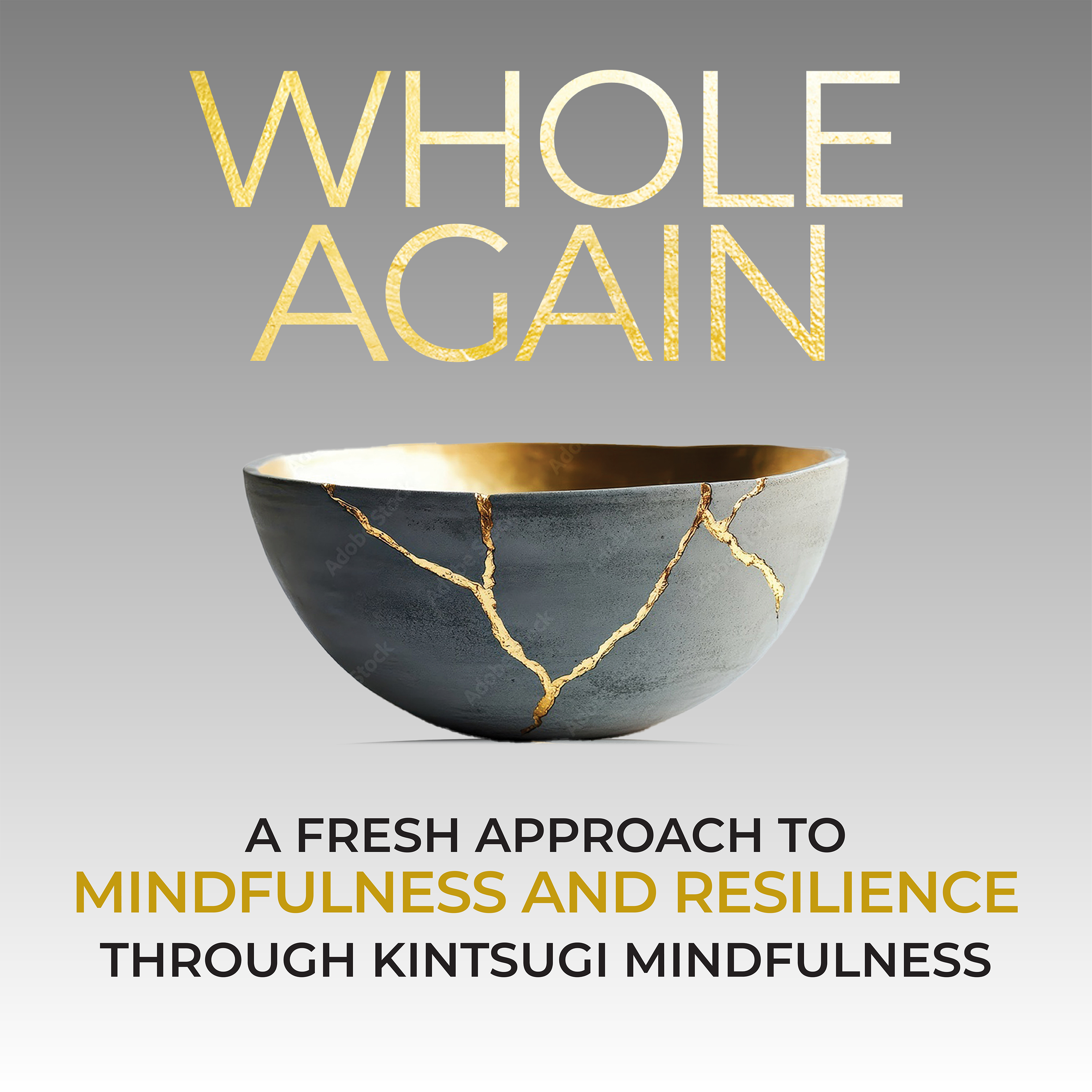
Whole Again: A Fresh Approach to Mindfulness and Resilience Through Kintsugi Wisdom
Michael OBrien | Mindfulness & Resilience Coach

Shimon Davis
Shimon Davis

Conversations with Tyler
Mercatus Center at George Mason University

Grasshopper Notes Podcast
John Morgan

リセマム 最新教育情報
株式会社イード

Life Hacks DIY & More - Transform Your Everyday With Simple Tricks and DIY Magic!
Byte & Pieces

Jabulujule 9 -12
ukhozi fm
Ultimate Homeschool Podcast Network
Ultimate Homeschool Podcast Network
Hamza Selfimprovement
Adonis Gang
5 Minutes Good Time
Mission To The Moon Media
Whole Again: A Fresh Approach to Mindfulness and Resilience Through Kintsugi Wisdom
Michael OBrien | Mindfulness & Resilience Coach
Shimon Davis
Shimon Davis
Conversations with Tyler
Mercatus Center at George Mason University
Grasshopper Notes Podcast
John Morgan
リセマム 最新教育情報
株式会社イード
Life Hacks DIY & More - Transform Your Everyday With Simple Tricks and DIY Magic!
Byte & Pieces
Jabulujule 9 -12
ukhozi fm
Community discussion