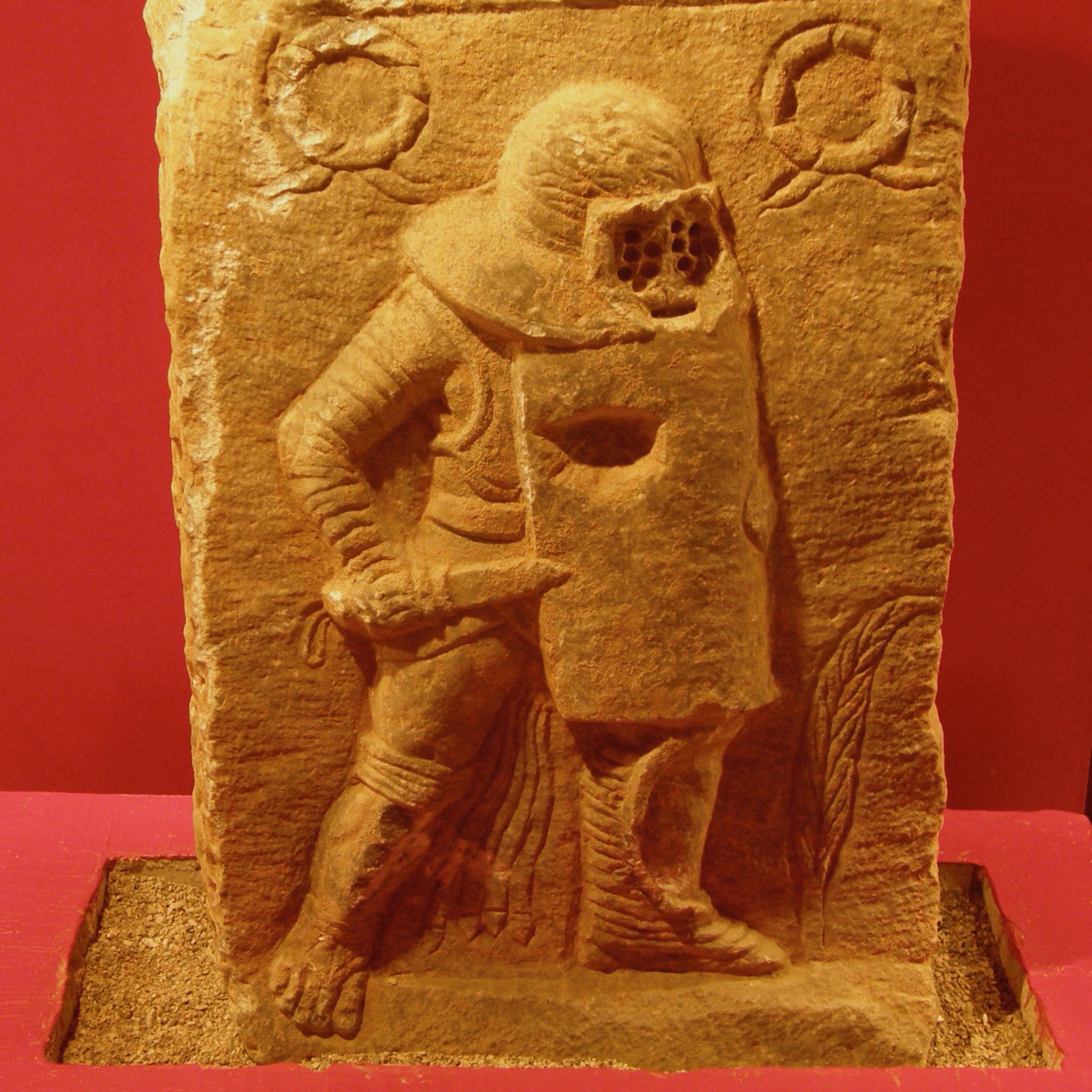
In this episode—the second of three on gladiators and related topics—Emily and Cam talk about what happened in the Colosseum and in other Roman arenas. First, they discuss the kinds of things that people would expect to see when they went to the games, including beast shows, public executions, and gladiator matches. Then, they focus on the gladiators themselves: who were they, and what were their lives like? Links: The Zliten mosaic (with pictures) Gladiator Graffiti near the Porta Nocera in Pompeii (scroll down toward bottom, to the section on tomb 14EN) Image of the tombstone of Urbicus the Secutor Visit our homepage to subscribe and to find us on social media: https://havetogawilltravel.com ---------- 00:10 - Introduction 01:57 - The Games 02:14 - Funeral games and the origins and development of gladiator combat 06:17 - The games in the age of the Colosseum 08:44 - Beast shows and hunters (venatores) 11:22 - Public punishments and spectacular executions 15:00 - Gladiator combat: gladiator graffiti from Pompeii and the excitement of the matched pair 19:52 - Mock battles, naval and otherwise, with a digression on Certamen players and the phrase “we who are about to die salute you” 23:13 - Keeping score: gladiator win-loss records, referees, and the possibility of survival 26:22 - An underdog story: the victories of Marcus Attilius at Nola 28:37 - Gladiators as celebrities (and sex symbols) 31:48 - The Gladiators: who were they, and what were their lives like? 32:14 - Who fought as gladiators? 33:14 - Gladiator “schools” (ludi) and managers (lanistae) 37:02 - Gladiator cemeteries and what they tell us about living conditions (diet, injuries, life expectancy) 43:22 - Evidence from tombstones: why did free people fight as gladiators? 50:08 - Evidence from tombstones: the lives of enslaved gladiators