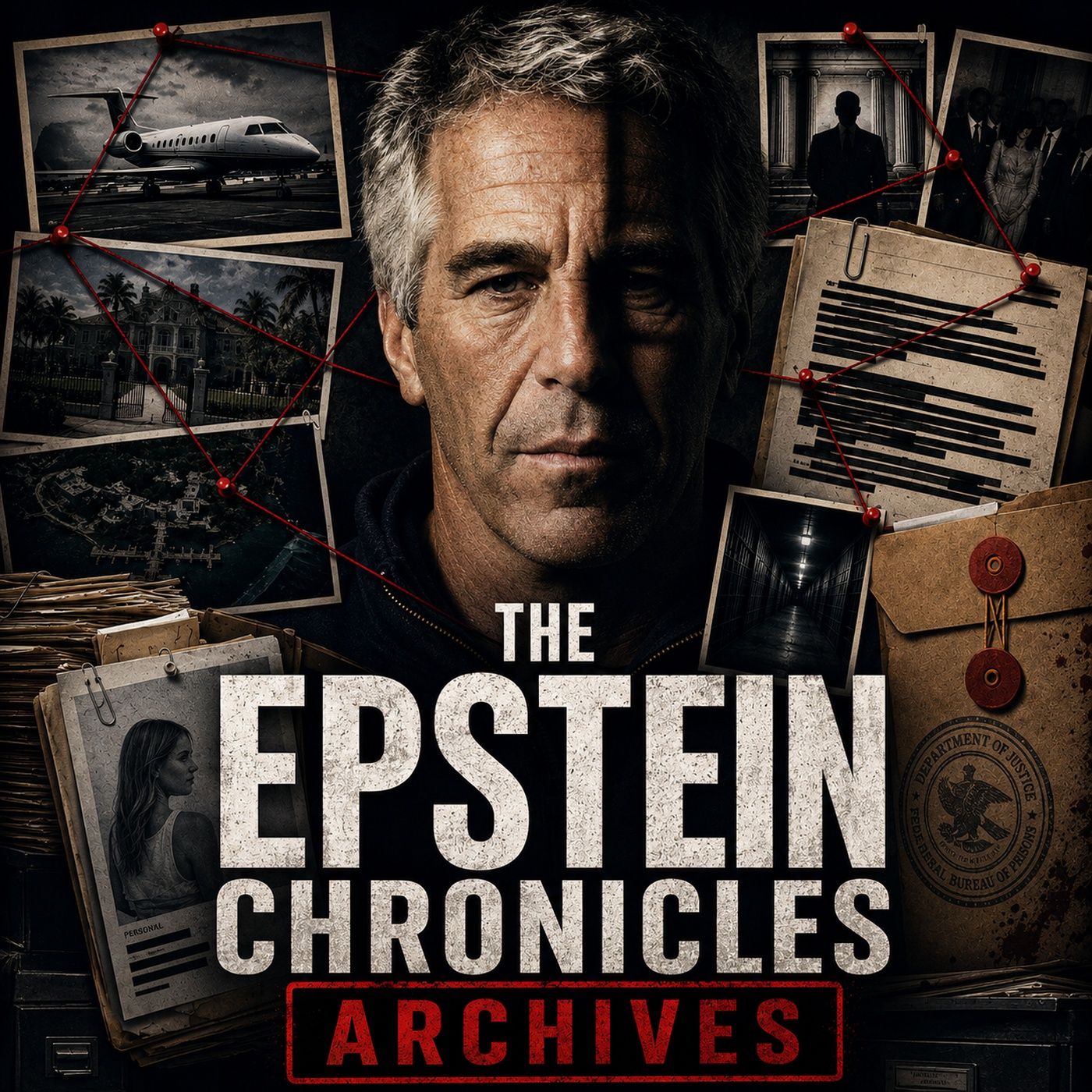
Lesley Groff And Her 302 Proffer Statement To The FBI (7/10/26)
Lesley Groff’s FBI 302/proffer presents her as the person who helped run Jeffrey Epstein’s daily machinery from the New York side: his calendar, calls, travel, meetings, errands, office flow, and massage scheduling. She said she began working for Epstein in February 2001 after being recruited for a job that was described as “organizing one man’s life,” and she described a hectic, high-pressure office where Epstein gave her lists of calls, meetings, appointments, and people to manage. The document places her inside the operational center of Epstein’s world, alongside lawyers, accountants, assistants, traders, Ghislaine Maxwell, and other staffers, with Groff functioning as a key gatekeeper for Epstein’s schedule and communications. After Epstein’s July 2019 arrest, FBI and SDNY records show investigators focused on potential co-conspirators, specifically including Maxwell and Groff, and met with Groff and her attorneys for a reverse proffer on July 18, 2019.
The central tension in the 302 is that Groff admitted to the administrative role—booking massages, handling travel, moving messages, and managing access—but denied knowing that Epstein’s “massages” were sexual abuse or that any girls involved were underage. Through her lawyer, she maintained that she had little or no direct interaction with the women, believed references to “class” or “school” meant college, and viewed Epstein as strange or eccentric rather than criminal. That denial sits uneasily against the government’s own framing of the investigation, which described Epstein’s employees and associates as helping arrange encounters with victims, and against later reporting that victims identified Groff as someone who scheduled massages, arranged travel, or handled logistics connected to abuse. In plain terms, the 302 shows Groff trying to draw a hard line between “I ran Epstein’s life” and “I knew what Epstein was doing,” while the broader investigative record shows why federal agents were not treating her as just a normal secretary.
to contact me:
[email protected]
source:
EFTA01246216.pdf
The central tension in the 302 is that Groff admitted to the administrative role—booking massages, handling travel, moving messages, and managing access—but denied knowing that Epstein’s “massages” were sexual abuse or that any girls involved were underage. Through her lawyer, she maintained that she had little or no direct interaction with the women, believed references to “class” or “school” meant college, and viewed Epstein as strange or eccentric rather than criminal. That denial sits uneasily against the government’s own framing of the investigation, which described Epstein’s employees and associates as helping arrange encounters with victims, and against later reporting that victims identified Groff as someone who scheduled massages, arranged travel, or handled logistics connected to abuse. In plain terms, the 302 shows Groff trying to draw a hard line between “I ran Epstein’s life” and “I knew what Epstein was doing,” while the broader investigative record shows why federal agents were not treating her as just a normal secretary.
to contact me:
[email protected]
source:
EFTA01246216.pdf
You May Also Like

Worship & Wonder Daily Devotional
Westminster Presbyterian Church

Scrolls & Secrets
Scrolls & Secrets

Renascença - Pergunte ao Pe. Paulo Franco
Renascença

Darrers podcast - Ràdio Cubelles
Ràdio Cubelles

Darrers podcast - Ràdio Ciutat de Badalona
Ràdio Ciutat de Badalona

CHURCH on SermonAudio
Various Speakers

Church Unity: The Forgotten Treasure
Paul J. Bucknell

Unter Büchern mit Katrin Schumacher
Mitteldeutscher Rundfunk

Podcast Paris United
Paris United
Baptists on SermonAudio
Various Speakers
Worship & Wonder Daily Devotional
Westminster Presbyterian Church
Scrolls & Secrets
Scrolls & Secrets
Renascença - Pergunte ao Pe. Paulo Franco
Renascença
Darrers podcast - Ràdio Cubelles
Ràdio Cubelles
Darrers podcast - Ràdio Ciutat de Badalona
Ràdio Ciutat de Badalona
CHURCH on SermonAudio
Various Speakers
Church Unity: The Forgotten Treasure
Paul J. Bucknell
Unter Büchern mit Katrin Schumacher
Mitteldeutscher Rundfunk
Podcast Paris United
Paris United
Baptists on SermonAudio
Various Speakers
Community discussion