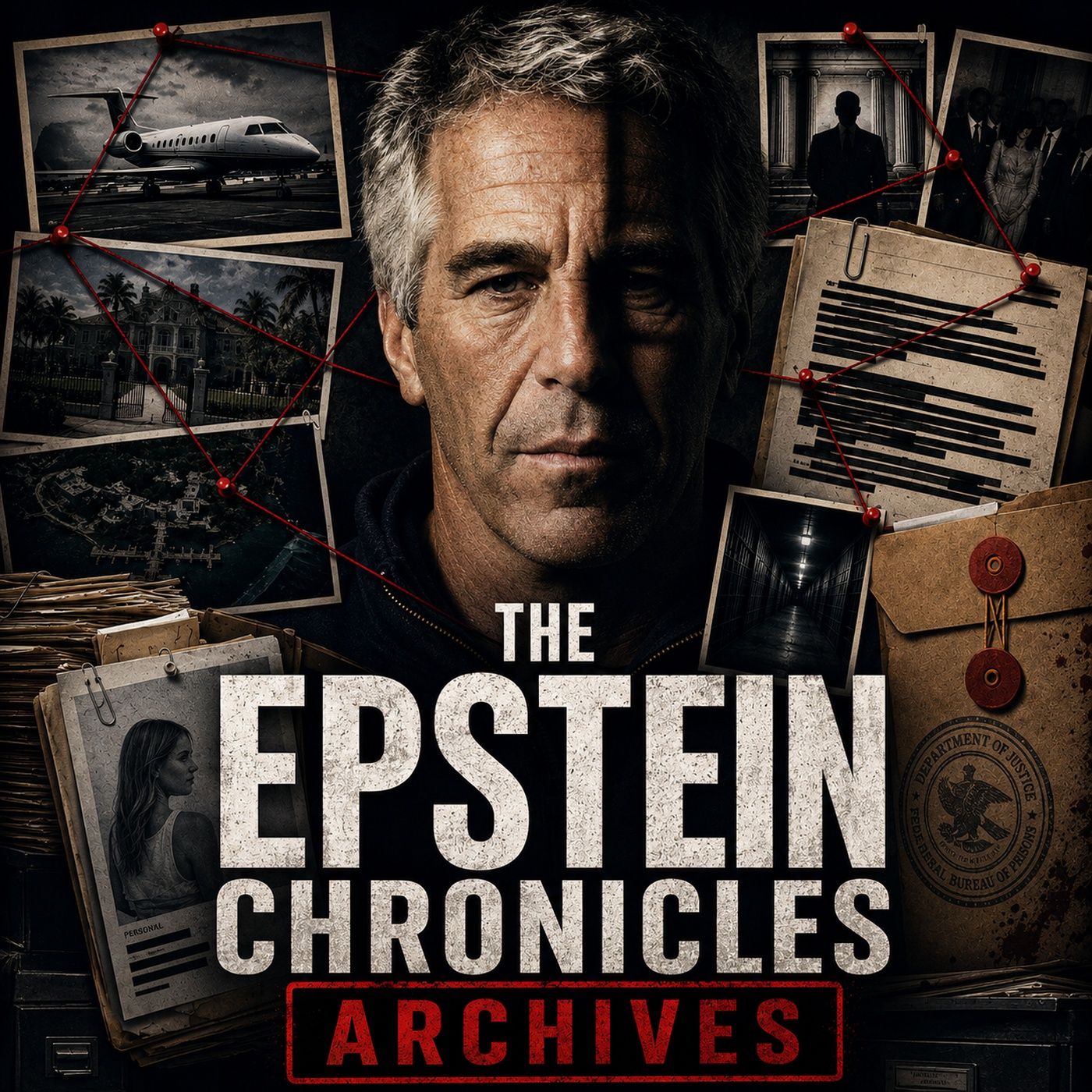
Federal Judge Orders DOJ to Expedite Epstein FOIA Requests (Part 4)
Judge Colleen Kollar-Kotelly ruled that the Justice Department must expedite processing of most of Democracy Defenders Fund’s FOIA requests concerning Jeffrey Epstein, Ghislaine Maxwell and DOJ’s handling of the Epstein files. DDF had sought records including Epstein and Maxwell investigative files mentioning Donald Trump or Mar-a-Lago, communications among senior DOJ officials such as Pam Bondi, Todd Blanche, Kash Patel and Dan Bongino, records discussing how Trump references in the files were handled, calendars and meeting materials, and documents identifying Epstein associates, visitors and flight-log passengers. The judge found that the requests qualified for expedited treatment under DOJ regulations because the Epstein files were plainly a matter of “widespread and exceptional media interest” and because there were legitimate questions about government integrity affecting public confidence. She granted expedited processing in full for DDF’s July 22, 2025 request and for most of its July 28 requests, while narrowing portions that had sought records involving virtually any DOJ official to the specific senior officials actually identified in the requests.
The court did, however, reject DDF’s separate argument that it qualified for expedited processing under FOIA’s statutory “compelling need” provision. Kollar-Kotelly found that DDF had not shown it was primarily an information-dissemination organization, concluding that its principal activities were litigation and advocacy rather than journalism or publishing. That distinction did not undo the more important practical result: DOJ still has to move the Epstein-related requests to the front of the line under its own expedited-processing regulation. The September 30, 2026 ruling therefore amounted to a substantial transparency victory for DDF, forcing faster DOJ action on records concerning the government’s handling of Epstein materials while stopping short of granting every legal theory DDF advanced.
to contact me:
[email protected]
source:
gov.uscourts.dcd.284000.28.0.pdf
The court did, however, reject DDF’s separate argument that it qualified for expedited processing under FOIA’s statutory “compelling need” provision. Kollar-Kotelly found that DDF had not shown it was primarily an information-dissemination organization, concluding that its principal activities were litigation and advocacy rather than journalism or publishing. That distinction did not undo the more important practical result: DOJ still has to move the Epstein-related requests to the front of the line under its own expedited-processing regulation. The September 30, 2026 ruling therefore amounted to a substantial transparency victory for DDF, forcing faster DOJ action on records concerning the government’s handling of Epstein materials while stopping short of granting every legal theory DDF advanced.
to contact me:
[email protected]
source:
gov.uscourts.dcd.284000.28.0.pdf
You May Also Like

Worship & Wonder Daily Devotional
Westminster Presbyterian Church

Scrolls & Secrets
Scrolls & Secrets

Renascença - Pergunte ao Pe. Paulo Franco
Renascença

Darrers podcast - Ràdio Cubelles
Ràdio Cubelles

Darrers podcast - Ràdio Ciutat de Badalona
Ràdio Ciutat de Badalona

CHURCH on SermonAudio
Various Speakers

Church Unity: The Forgotten Treasure
Paul J. Bucknell

Unter Büchern mit Katrin Schumacher
Mitteldeutscher Rundfunk

Podcast Paris United
Paris United
Baptists on SermonAudio
Various Speakers
Worship & Wonder Daily Devotional
Westminster Presbyterian Church
Scrolls & Secrets
Scrolls & Secrets
Renascença - Pergunte ao Pe. Paulo Franco
Renascença
Darrers podcast - Ràdio Cubelles
Ràdio Cubelles
Darrers podcast - Ràdio Ciutat de Badalona
Ràdio Ciutat de Badalona
CHURCH on SermonAudio
Various Speakers
Church Unity: The Forgotten Treasure
Paul J. Bucknell
Unter Büchern mit Katrin Schumacher
Mitteldeutscher Rundfunk
Podcast Paris United
Paris United
Baptists on SermonAudio
Various Speakers
Community discussion