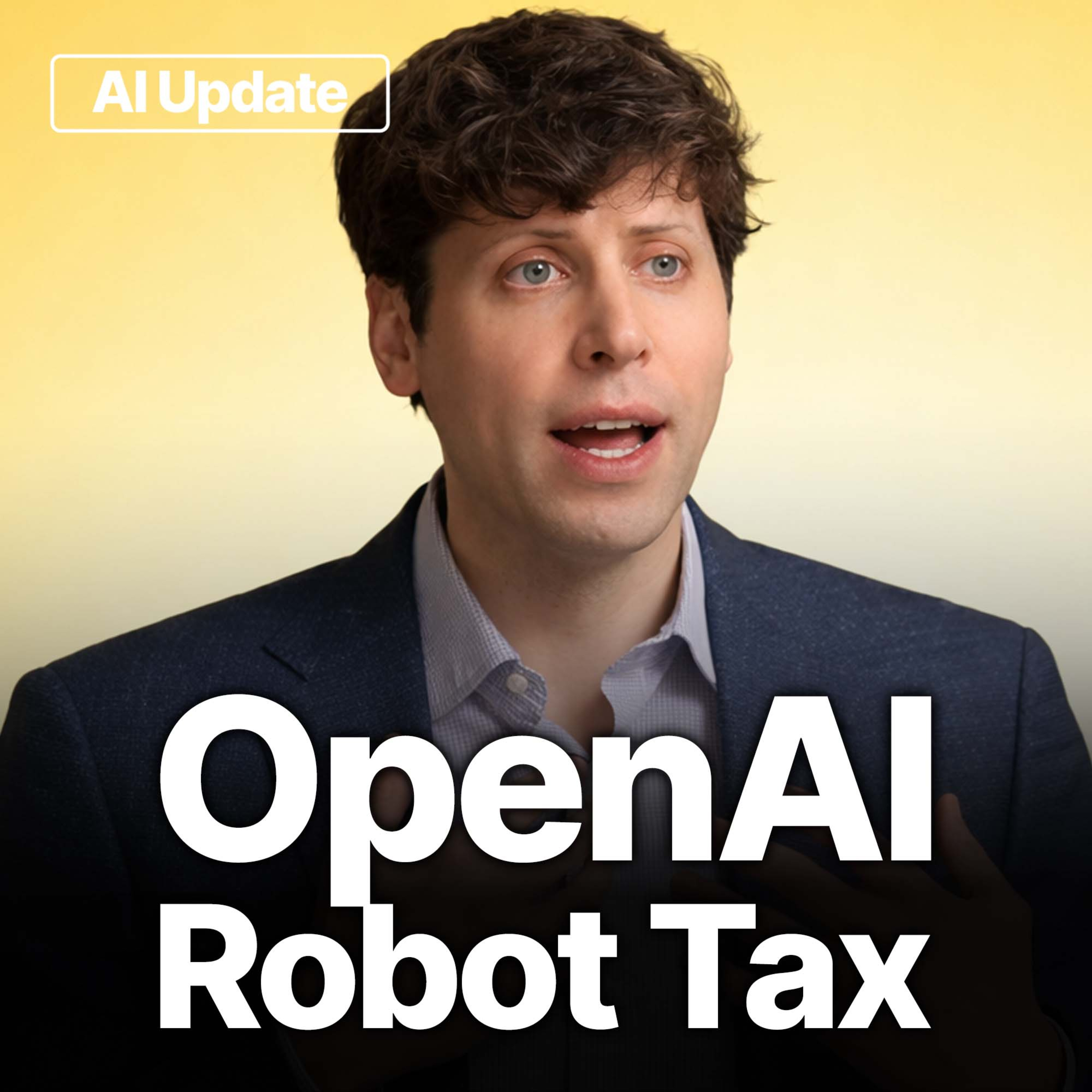
OpenAI wants to tax automated labor
The complex intersection of technological progress, economic stability, and human well-being across history and into the year 2026. Data from Our World in Data reveals a dramatic 150-year decline in working hours, while economist Tyler Cowen argues that modern institutional bottlenecks will prevent AI from triggering a rapid growth explosion. Contrasting this perspective, OpenAI's 2026 industrial policy proposes radical measures like "robot taxes" and a four-day workweek to manage the transition to superintelligence. Will Manidis critiques these corporate proposals as disconnected from the violent labor struggles of the past and reflects on the spiritual and cultural anxieties of a society obsessed with technical optimization. Together, the texts debate whether humanity is entering an age of unprecedented leisure or profound displacement as machines begin to outpace human productivity. These narratives suggest that the ultimate challenge of the intelligence age is not just economic efficiency, but redefining the human social contract.
You May Also Like
Mark Tilbury
Mark Tilbury Fan

Artificial Intelligence Masterclass
AI Masterclass

Tech Update | BNR
BNR Nieuwsradio

Caffe 2.0
Valentino Spataro

Al otro lado del micrófono
Jorge Marín Nieto - Editor de podcast en EOVE Productora

Thinking Crypto News & Interviews
Tony Edward

AI Fire Daily
AIFire.co

The Good Tech Companies
HackerNoon

Jak Piggott
Jak Piggott

Mobile Tech Podcast with tnkgrl Myriam Joire
WorldPodcasts.com / Gorilla Voice Media
Mark Tilbury
Mark Tilbury Fan
Artificial Intelligence Masterclass
AI Masterclass
Tech Update | BNR
BNR Nieuwsradio
Caffe 2.0
Valentino Spataro
Al otro lado del micrófono
Jorge Marín Nieto - Editor de podcast en EOVE Productora
Thinking Crypto News & Interviews
Tony Edward
AI Fire Daily
AIFire.co
The Good Tech Companies
HackerNoon
Jak Piggott
Jak Piggott
Mobile Tech Podcast with tnkgrl Myriam Joire
WorldPodcasts.com / Gorilla Voice Media
Community discussion