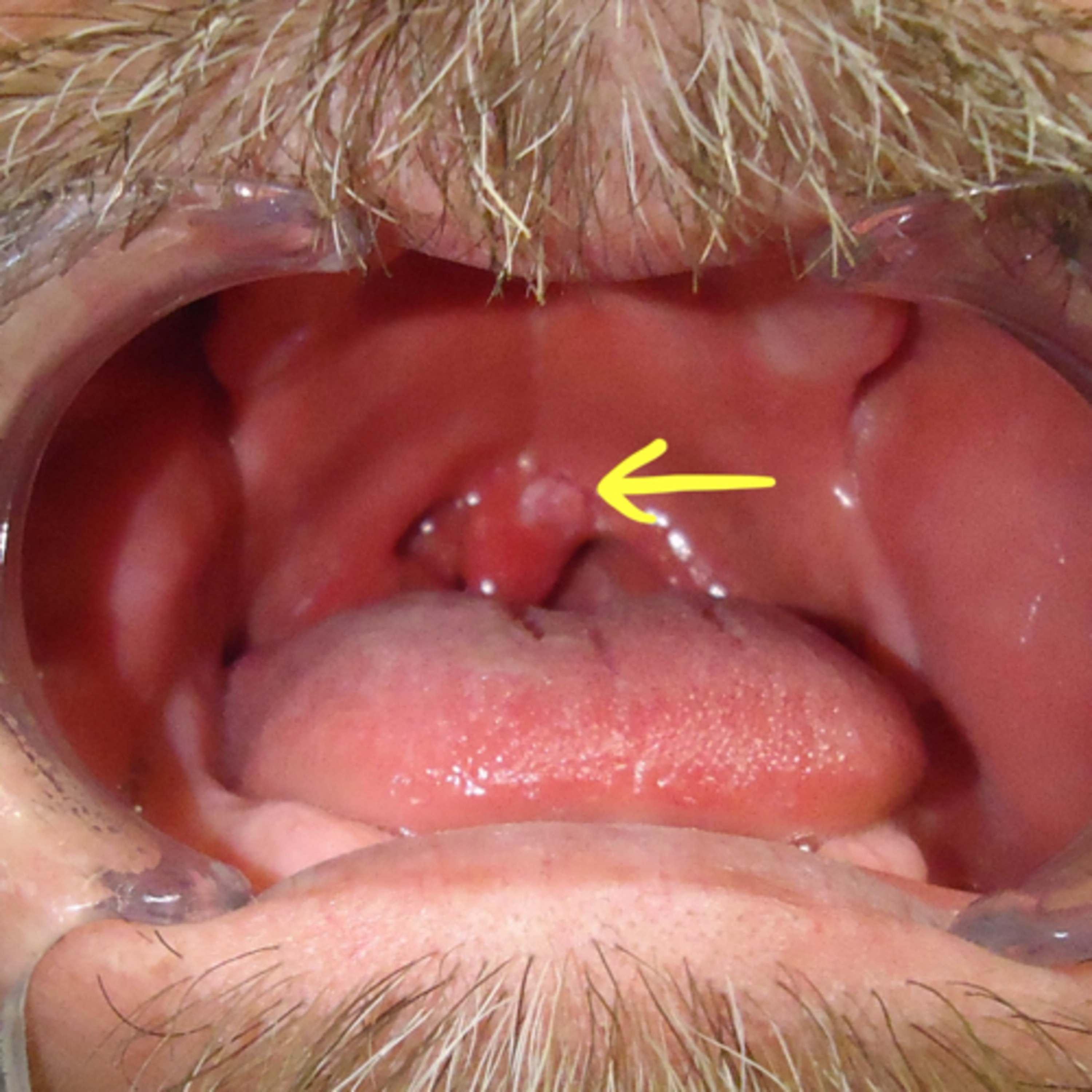
“What Are Key Features of Oral Squamous Papillomas?”
3.8.24 Quick Review #116 - #HPV #oralHPV #papilloma #pathology #oralpathology #doctorgallagher #oralsurgery #oralsurgeon #dentist #dentistry #dental #podcast #podcasts #dentalpodcast #dentalpodcasts #doctorgallagherpodcast #doctorgallagherspodcast Oral squamous papillomas are characterized by several key distinguishing features that can help differentiate them from other oral lesions. Clinically, these features include: 1. Appearance: Squamous papillomas typically have a cauliflower-like appearance with finger-like projections or fronds. 2. Location: They can occur anywhere in the oral cavity but are commonly found on the tongue, lips, uvula, or palate. 3. Base: They are usually pedunculated (attached by a stalk) but can occasionally be sessile (having a broad base). 4. Size: They are generally small, often less than 1 cm in diameter, but can vary in size. 5. Surface: The surface of a squamous papilloma is usually white due to its keratinized epithelium, and it may have a rough or irregular texture. Histopathologically, squamous papillomas show: 1. Koilocytosis: Presence of koilocytes, which are squamous epithelial cells with perinuclear halos indicative of HPV effect. 2. Acanthosis: Thickening of the spinous layer (stratum spinosum) of the epithelium. 3. Papillomatosis: A pronounced projection of the epithelial surface, creating the finger-like projections seen clinically. 4. Hyperkeratosis: Increased keratin production leading to a thicker outer layer of the epithelium. Oral squamous papillomas are commonly associated with the human papillomavirus (HPV), particularly HPV types 6 and 11. These types are known to be low-risk HPV types, which means they are less likely to be associated with cancers and are more often related to benign lesions like squamous papillomas and genital warts. HPV 6 and 11 are highly adept at infecting the epithelial cells in the skin and mucous membranes, leading to the development of these papillomas or warts in the oral cavity. The distinction between HPV 6 and HPV 11 is typically made through molecular methods like polymerase chain reaction (PCR) testing, which can identify the specific viral DNA in the lesion. There are no specific clinical or histopathological features that reliably distinguish between papillomas caused by HPV 6 and those caused by HPV 11. References: 1. Lansford, C. (n.d.). Conditions: Oral Tumors. Retrieved from https://www.doctorlansford.com/conditions-oral-tumors 2. D’Souza, G., & Kreimer, A. R. (2014). Oral cavity and oropharyngeal squamous cell cancer: Key features, treatment, and prevention. Cancer Epidemiology, Biomarkers & Prevention, 23(11), 2203-2210. https://cebp.aacrjournals.org/content/23/11/2203 3. Syrjänen, S., Lodi, G., von Bültzingslöwen, I., Aliko, A., Arduino, P., Campisi, G., … & Challacombe, S. J. (2011). Human papillomaviruses in oral carcinoma and oral potentially malignant disorders: A systematic review. Oral Diseases, 17(Suppl 1), 58-72. https://onlinelibrary.wiley.com/doi/abs/10.1111/j.1601-0825 4. ChatGPT. 2024.
You May Also Like

Shimon Davis
Shimon Davis

STOPTIME: Live in the Moment.
Lisa Hopkins, Wide Open Stages

The You Project
Craig Harper

Motivational Speeches
Motivationly

Hamza Selfimprovement
Adonis Gang

Rick Warren Sermons
Word Life

Playlist Culture G : les podcasts pour apprendre chaque jour
Acast France

Life Hacks DIY & More - Transform Your Everyday With Simple Tricks and DIY Magic!
Byte & Pieces

Happy English Podcast
Michael DiGiacomo Happy English

Un bonbon sur la langue
RTL
Shimon Davis
Shimon Davis
STOPTIME: Live in the Moment.
Lisa Hopkins, Wide Open Stages
The You Project
Craig Harper
Motivational Speeches
Motivationly
Hamza Selfimprovement
Adonis Gang
Rick Warren Sermons
Word Life
Playlist Culture G : les podcasts pour apprendre chaque jour
Acast France
Life Hacks DIY & More - Transform Your Everyday With Simple Tricks and DIY Magic!
Byte & Pieces
Happy English Podcast
Michael DiGiacomo Happy English
Un bonbon sur la langue
RTL
Community discussion