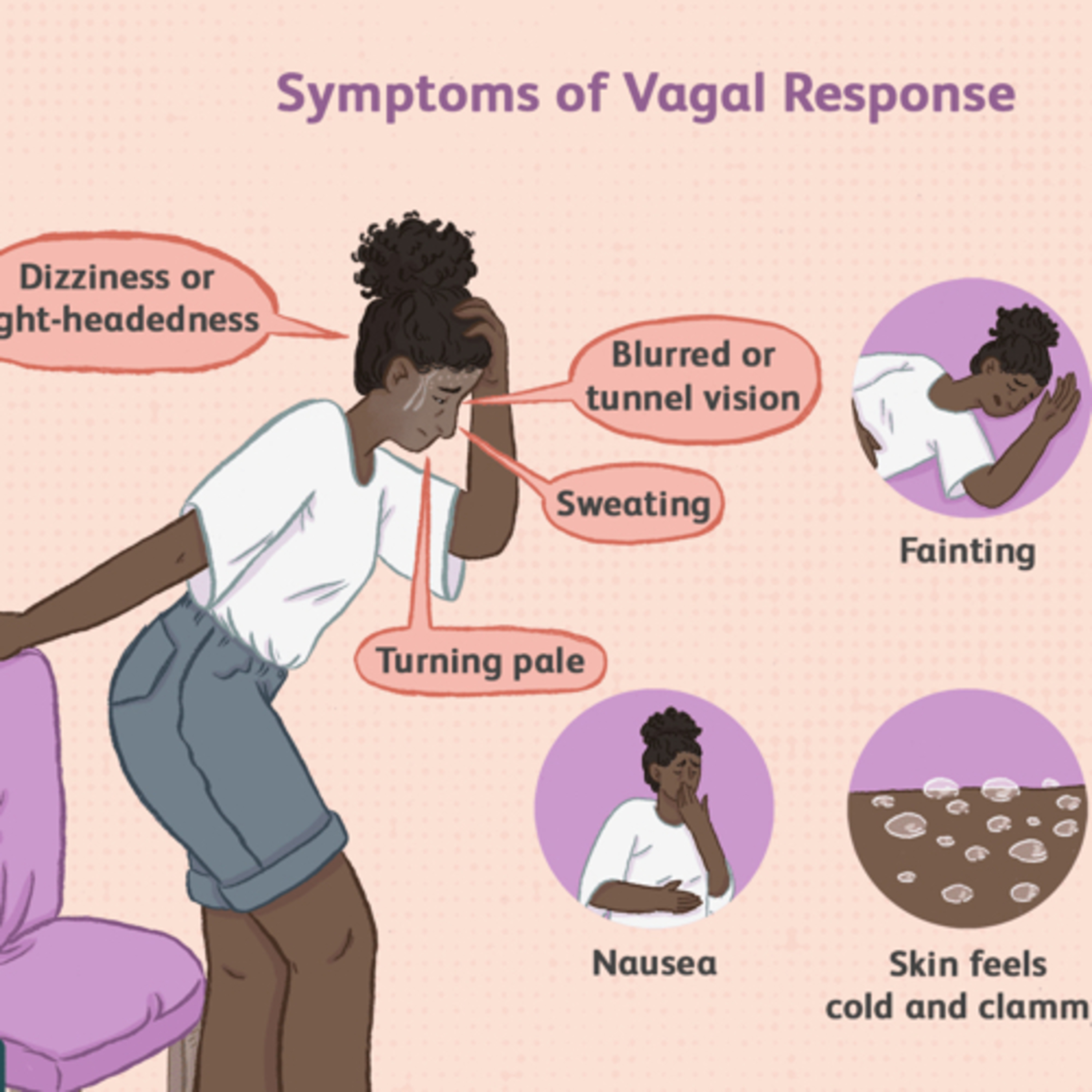
“How To Identify a Vasovagal Episode in Your Dental Chair, and What Should You Do Next?”
12.14.23 Quick Review #80 - #syncope #vasovagal #doctorgallagher #oralsurgery #oralsurgeon #dentist #dentistry #dental #faint Key symptoms of a vasovagal episode: 1. Lightheadedness or Dizziness: Feeling faint or unsteady. 2. Nausea: A sensation of unease and discomfort in the stomach. 3. Pale Skin: Notable paleness compared to the individual’s usual complexion. 4. Blurred Vision: Visual disturbances or temporary vision loss. 5. Sweating: Cold, clammy sweats. 6. Weakness: A general feeling of physical weakness or unsteadiness. 7. Tunnel Vision: Narrowing of the visual field. 8. Feeling Warm: A sudden sensation of being overheated. 9. Slow or Weak Pulse: A notable decrease in heart rate; sometimes a minor drop in BP can be noticed as well. 10. Loss of Consciousness: Fainting or passing out, usually brief. These symptoms can vary in intensity and may not all be present in every episode. Recognizing them early can help manage the situation effectively. When a patient experiences a vasovagal episode, the best steps to take include: 1. Stop Dental Treatment. 2. Position Patient Properly: Lay the patient flat on their back. If possible, elevate the legs slightly to increase blood flow to the brain. 3. Monitor Vital Signs: Check and continuously monitor the patient’s pulse and blood pressure. 4. Ensure Airway is Open: Make sure the patient’s airway is clear. Remove everything from the mouth. 5. Calm and Reassure the Patient: Speak calmly to the patient, reassuring them that they are in a safe environment and that help is at hand. 6. Provide Fresh Air: If possible, ensure fresh air is circulating. You can open a window or use a fan or put on a nasal cannula or oxygen mask. You can also monitor the patient’s oxygen saturation. 7. Wait for Recovery: Most vasovagal episodes resolve within a few minutes. Wait for the patient to regain consciousness and color. 8. Assess Patient’s Condition: Once the patient is alert, assess their condition. Ask how they are feeling and if they have any discomfort or lingering symptoms. 9. Seek Medical Assistance if Needed: If the patient does not quickly recover, or if their condition worsens, seek immediate medical assistance. 10. Post-Recovery Care: Once the patient has recovered, advise them to rest before standing up slowly to prevent a recurrence. It’s also important to discuss the episode with the patient and consider any triggers that may have contributed to the episode. If the patient has other preexisting conditions, checking their blood sugar may provide insight to other causes of the episode. References: 1. Hutse, I., Coppens, M., Herbelet, S., Seyssens, L., & Marks, L. (2021). Syncope in Dental Practices: A Systematic Review on Aetiology and Management. Journal of Evidence-Based Dental Practice, 21(3), 101581. https://lnkd.in/em5TZGXY 2. ChatGPT. 2023.
You May Also Like

The Israel Guys
The Israel Guys

Thrasherway Podcast
HLT

Daily Facts
Amalia Dupray and Montgomery Jones.

Life Hacks DIY & More - Transform Your Everyday With Simple Tricks and DIY Magic!
Byte & Pieces

Shimon Davis
Shimon Davis

Bishop TD Jakes Sermons
Word Life

New Discourses
New Discourses

Playlist Culture G : les podcasts pour apprendre chaque jour
Acast France

Hamza Selfimprovement
Adonis Gang

Lana Blakely
Lana Blakely
The Israel Guys
The Israel Guys
Thrasherway Podcast
HLT
Daily Facts
Amalia Dupray and Montgomery Jones.
Life Hacks DIY & More - Transform Your Everyday With Simple Tricks and DIY Magic!
Byte & Pieces
Shimon Davis
Shimon Davis
Bishop TD Jakes Sermons
Word Life
New Discourses
New Discourses
Playlist Culture G : les podcasts pour apprendre chaque jour
Acast France
Hamza Selfimprovement
Adonis Gang
Lana Blakely
Lana Blakely
Community discussion