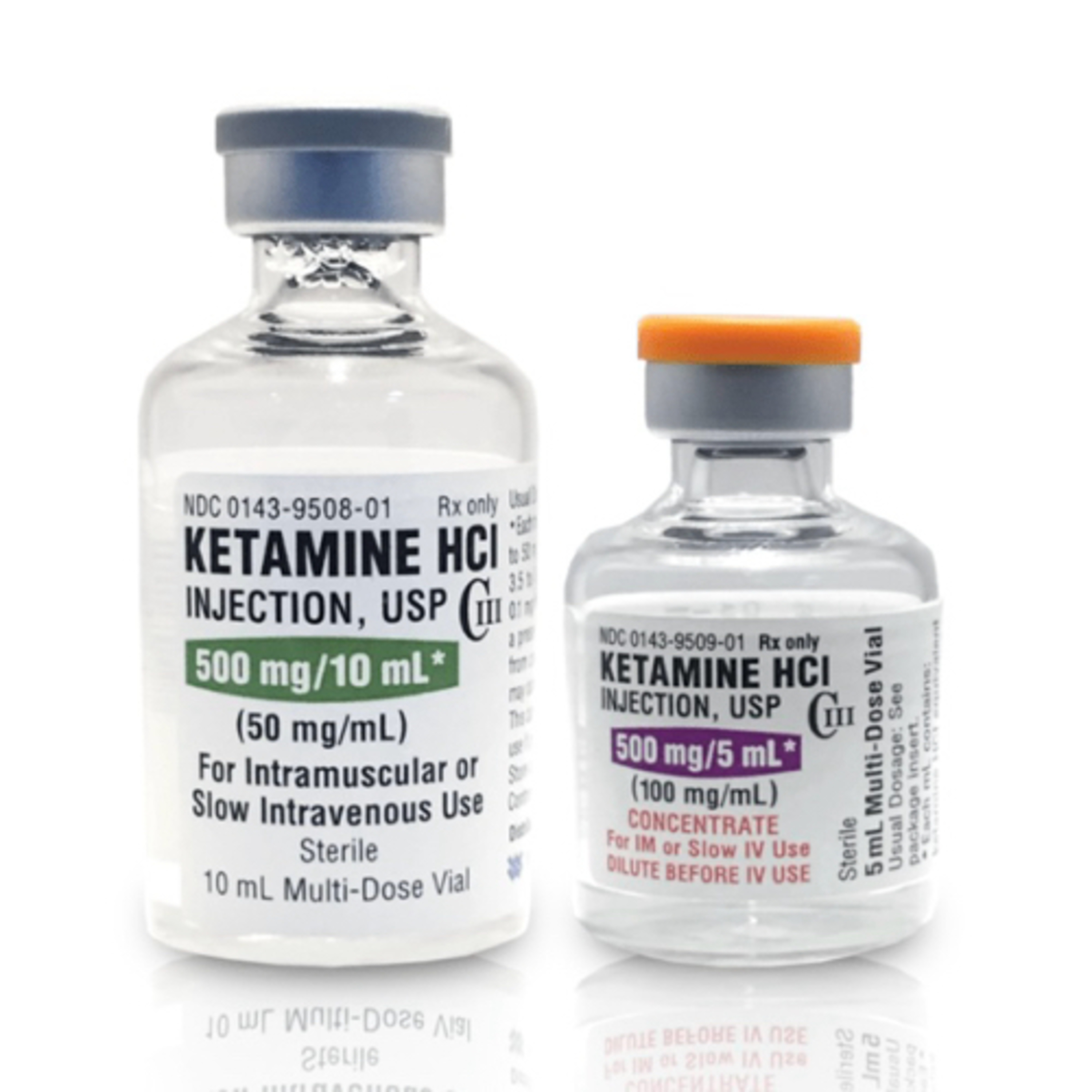
5.8.24 Quick Review #135 - #surgery #surgeon #doctorgallagher #oralsurgery #oralsurgeon #omfs #dentist #dentistry #dental #ketamine Ketamine is a dissociative anesthetic often used for sedation, pain management, and anesthesia. It has a wide range of applications in medical settings, including emergency medicine, procedural sedation, and intensive care. Receptor: • NMDA Receptors: Ketamine is an NMDA receptor antagonist, which means it inhibits the action of glutamate, the brain’s primary excitatory neurotransmitter. This blockade contributes to its anesthetic and analgesic effects. • Opioid Receptors: It also interacts with mu and kappa opioid receptors, which contribute to its analgesic properties. • Muscarinic Receptors: Ketamine inhibits muscarinic receptors, which contributes to some of its sedative and amnesic effects. • Monoaminergic Receptors: Ketamine affects monoaminergic receptors, which might explain some of its antidepressant effects. Effects of Ketamine Sedation and Dissociation: • Sedation: It induces a trance-like state characterized by sedation, analgesia, and amnesia. • Dissociation: The dissociative state induced by ketamine is described as a feeling of being detached from the environment and self. Analgesia: • Ketamine provides strong pain relief, which is useful in emergency and postoperative settings. Cardiovascular Effects: • Heart Rate: Ketamine increases heart rate due to its sympathomimetic effects. • Blood Pressure: It typically increases blood pressure through similar mechanisms. • Cardiac Output: Cardiac output can increase as a result of the increased heart rate and blood pressure. Respiratory Effects: • Ketamine maintains respiratory drive, which is advantageous compared to other sedatives and anesthetics that suppress respiration. Vital Sign Changes: • Heart Rate: Increases. • Blood Pressure: Increases. • Respiratory Rate: Generally maintained, although there can be transient respiratory depression in higher doses. • Oxygen Saturation: Generally maintained. Safety Considerations: • Laryngospasm: While ketamine generally preserves airway reflexes, laryngospasm can occur, especially in higher doses or when airway secretions increase. • Emergence Reactions: Patients may experience vivid dreams, hallucinations, or delirium upon waking, although these can be minimized with benzodiazepines or lower doses. • Intracranial Pressure: Ketamine can increase intracranial pressure, so caution is advised in patients with head injuries or raised intracranial pressure. • Cardiovascular Effects: Due to its sympathetic stimulation, ketamine should be used cautiously in patients with cardiovascular disease or hypertension. References: 1. Bailey, A. M., et al. (2018). Ketamine for Acute Pain Management and Sedation. Critical Care Nurse, 38(2), 49-59 . 2. Schmid, R. L., et al. (2005). Ketamine for Perioperative Pain Management. Anesthesiology, 102(1), 211-220. 3. ChatGPT. 2024. - #podcast #podcasts #dentalpodcast #dentalpodcasts #doctorgallagherpodcast #doctorgallagherspodcast #doctor #dentistry #oralsurgery #dental #viral #dentalschool #dentalstudent #omfs #surgeon #doctorlife #dentistlife #residency #oralsurgeon #dentist #doctorgallagher






Community discussion