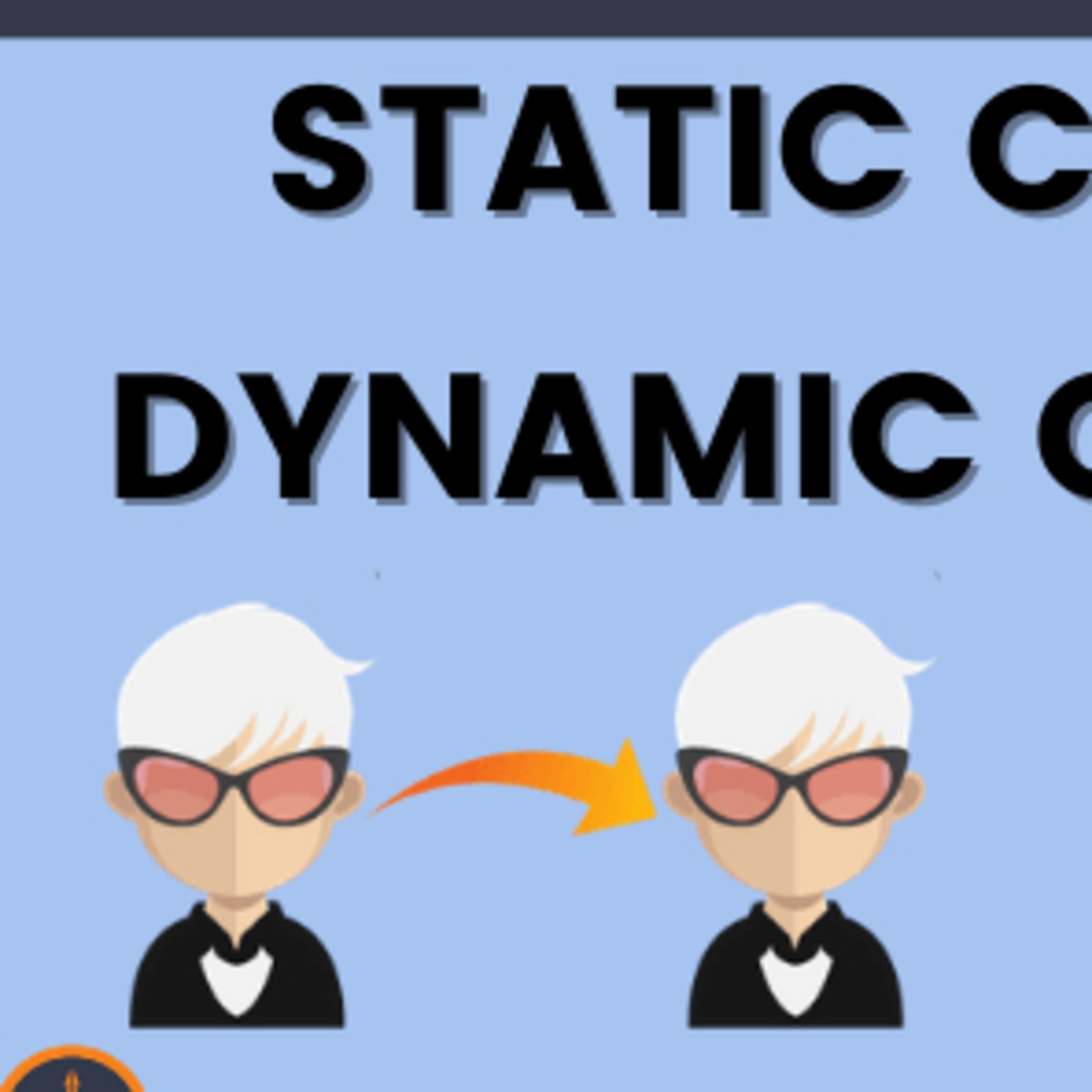
“How Is A ‘Dynamic’ Mindset More Advantageous Than A ‘Static’ One?”
Quick Review #139 - 6.1.24 • Static 1. Definition: Static refers to elements that are fixed, stable, and unchanging over time. 2. In Systems: Static systems do not adapt or respond to external changes. They are predictable and consistent but may lack the flexibility to deal with new challenges. 3. Characteristics: Static characteristics are those that remain constant and unchanged. These can include certain personality traits, habits, or even organizational structures that resist change. 4. Mindsets: A static mindset is often characterized by a fixed way of thinking, where individuals believe that their abilities and intelligence are unchangeable. This can lead to a lack of innovation and an inability to adapt to new situations. • Dynamic 1. Definition: Dynamic refers to elements that are constantly changing, evolving, and capable of adapting to new conditions. 2. In Systems: Dynamic systems are flexible and responsive to external changes. They can adapt and evolve, making them more resilient to new challenges and capable of continuous improvement. 3. Characteristics: Dynamic characteristics include adaptability, flexibility, and a tendency to evolve over time. These can be seen in individuals who are open to new experiences, organizations that embrace change, and systems designed to adapt to varying conditions. 4. Mindsets: A dynamic mindset, also known as a growth mindset, involves the belief that abilities and intelligence can be developed through effort and learning. This mindset encourages innovation, resilience, and a willingness to take on new challenges. • ADVANTAGES: Dynamic individuals tend to grow and adapt more effectively over time compared to static individuals. This adaptability allows them to: - Embrace Change: Dynamic individuals are more likely to welcome new experiences and challenges, seeing them as opportunities for growth rather than threats. - Learn Continuously: They view learning as a lifelong process and are always seeking new knowledge and skills. - Innovate: By being open to new ideas and willing to experiment, dynamic individuals often drive innovation and progress in their fields. - Overcome Obstacles: Their flexibility allows them to navigate setbacks and challenges more effectively, turning potential failures into learning experiences and opportunities for improvement. References: 1. Micoope. (n.d.). Static vs. Dynamic Character: Differences, Definitions, and Examples. (https://lnkd.in/eb5B2STn) 2. Compile Blog. (2023). *Static vs. Dynamic: What’s the Difference?*. Retrieved from [Compile Blog](https://lnkd.in/eX9bcACW) 3. BairesDev. (2023). *Static vs Dynamic Typing: A Detailed Comparison*. Retrieved from [BairesDev](https://lnkd.in/eQJYVV7K) 4. Dweck, C. S. (2006). *Mindset: The New Psychology of Success*. Random House. 5. ChatGPT. 2024. - #podcast #podcasts #dentalpodcast #dentalpodcasts #doctorgallagherpodcast #doctorgallagherspodcast #oralsurgeon #dentist #doctorgallagher #doctor #dentistry #oralsurgery #dental #viral #dentalschool #dentalstudent #omfs #surgeon #doctorlife #dentistlife #residency
You May Also Like

Playlist Culture G : les podcasts pour apprendre chaque jour
Acast France

Un bonbon sur la langue
RTL
Neville Goddard - Classic Radio
Neville Goddard

Neville Goddard - Old Time Radio
Neville Goddard
Chat GPT Collective Consciousness
Sol Good Network

The Mnemonic Memory Podcast
Peter Jans

Estoicismo para Ganadores
Estoicismo Para Ganadores

【本・再放送】英語の語源が身につくラジオ (heldio)
堀田隆一

Motivational Speeches
Motivationly

Fluent Fiction - Catalan
FluentFiction.org
Playlist Culture G : les podcasts pour apprendre chaque jour
Acast France
Un bonbon sur la langue
RTL
Neville Goddard - Classic Radio
Neville Goddard
Neville Goddard - Old Time Radio
Neville Goddard
Chat GPT Collective Consciousness
Sol Good Network
The Mnemonic Memory Podcast
Peter Jans
Estoicismo para Ganadores
Estoicismo Para Ganadores
【本・再放送】英語の語源が身につくラジオ (heldio)
堀田隆一
Motivational Speeches
Motivationly
Fluent Fiction - Catalan
FluentFiction.org
Community discussion