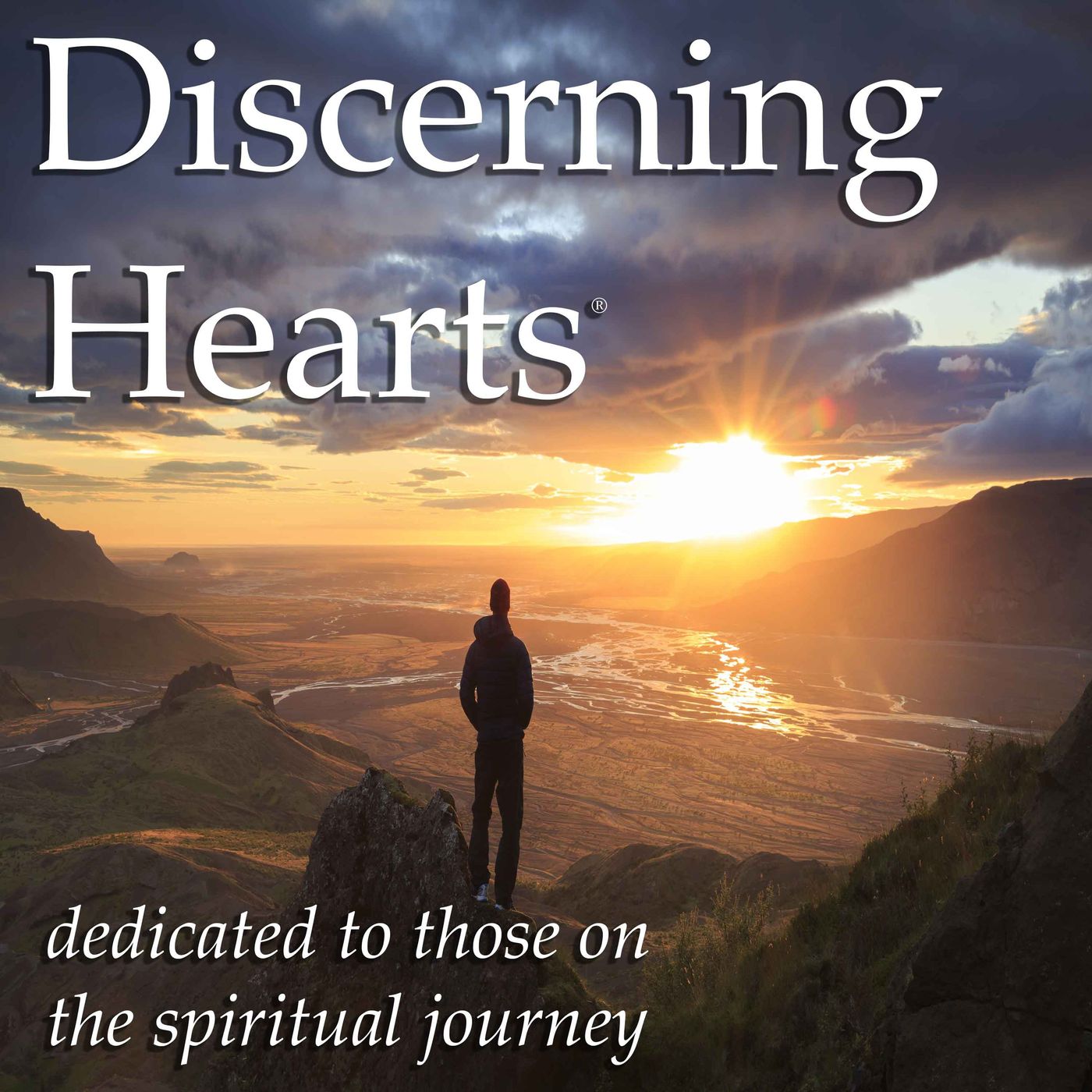
SISL5 – I Can't See – Struggles in the Spiritual Life with Fr. Timothy Gallagher – Discerning Hearts Podcasts Copy
I Can't See – Struggles in the Spiritual Life with Fr. Timothy Gallagher O.M.V. Fr. Timothy Gallagher and Kris McGregor explore what St. Ignatius of Loyola calls spiritual desolation. After previously discussing physical and emotional factors that can affect prayer, they now focus on difficulties that arise directly within one’s relationship with God. Using the example of “Julie,” a woman who had been growing in prayer, daily Mass attendance, and peace of heart, Fr. Gallagher describes how her initial joy gradually gives way to confusion, heaviness, and discouragement. Though nothing external has changed, her prayer feels dry and she questions whether her earlier experiences were real. Fr. Gallagher explains that this darkness is a common spiritual trial permitted by God and often coincides with genuine growth. Drawing from Ignatian teaching, there are three “actors” in the spiritual life: the individual, the good spirit (God, grace, angels, and helpful influences), and the enemy (Satan, disordered tendencies, and harmful influences). Spiritual desolation is presented as a tactic meant to discourage progress, yet it carries no shame and is not a sign of failure. A central remedy comes from St. Ignatius’ well-known Rule Five: in times of desolation, never change previously chosen spiritual practices. One must remain firm and constant, continuing prayer, Mass, and other commitments made during times of clarity. Desolation is an affective experience—a heaviness of heart in one’s relationship with God—while its counterpart, spiritual consolation, brings peace, joy, and renewed faith. Because much of spiritual life unfolds in these ordinary ups and downs, learning to recognize and reject discouraging thoughts is crucial. Julie’s act of reaching out to a trusted friend already reflects a wise response. By staying steady and naming the discouragement for what it is, she not only avoids regression but grows stronger for future trials. You can pick up a copy of the book here. Discerning Hearts Reflection Questions
- When have I experienced a shift from spiritual joy to confusion or heaviness in prayer, and how did I respond?
- Do I recognize that spiritual desolation can occur precisely when I am growing closer to God?
- In times of discouragement, am I tempted to abandon or reduce my spiritual practices?
- How faithfully do I follow St. Ignatius’ counsel to make no changes to my spiritual commitments during periods of darkness?
- Who in my life serves as a trustworthy spiritual friend when I need encouragement and clarity?
- Can I distinguish between spiritual struggles and those that may have physical or emotional causes?
- What lies or discouraging thoughts most often surface when my prayer becomes difficult?
- How might God be strengthening my perseverance and trust through experiences of spiritual desolation?
You May Also Like

Let the Bible Speak Radio
Dr. Alan Cairns

Mission 66
TWR

Journey to Truth Podcast CLASSICS
Journey to Truth Podcast
Mishna Berura Shiur With The Dirshu Program
Rabbi Ami Maierovits

PersianBMS Daily Podcasts | برنامههای کامل روزانه
PersianBMS

Follow Jesus Radio
Richard Templin Hancock
Gemara Markings Daf Yomi
Rabbi S Horowitz

In the Market with Janet Parshall
Moody Radio

God's Dear Child
Lanre Rex Onasanya
Catholic Reading of the Day
Daily Liturgy
Let the Bible Speak Radio
Dr. Alan Cairns
Mission 66
TWR
Journey to Truth Podcast CLASSICS
Journey to Truth Podcast
Mishna Berura Shiur With The Dirshu Program
Rabbi Ami Maierovits
PersianBMS Daily Podcasts | برنامههای کامل روزانه
PersianBMS
Follow Jesus Radio
Richard Templin Hancock
Gemara Markings Daf Yomi
Rabbi S Horowitz
In the Market with Janet Parshall
Moody Radio
God's Dear Child
Lanre Rex Onasanya
Catholic Reading of the Day
Daily Liturgy
Community discussion