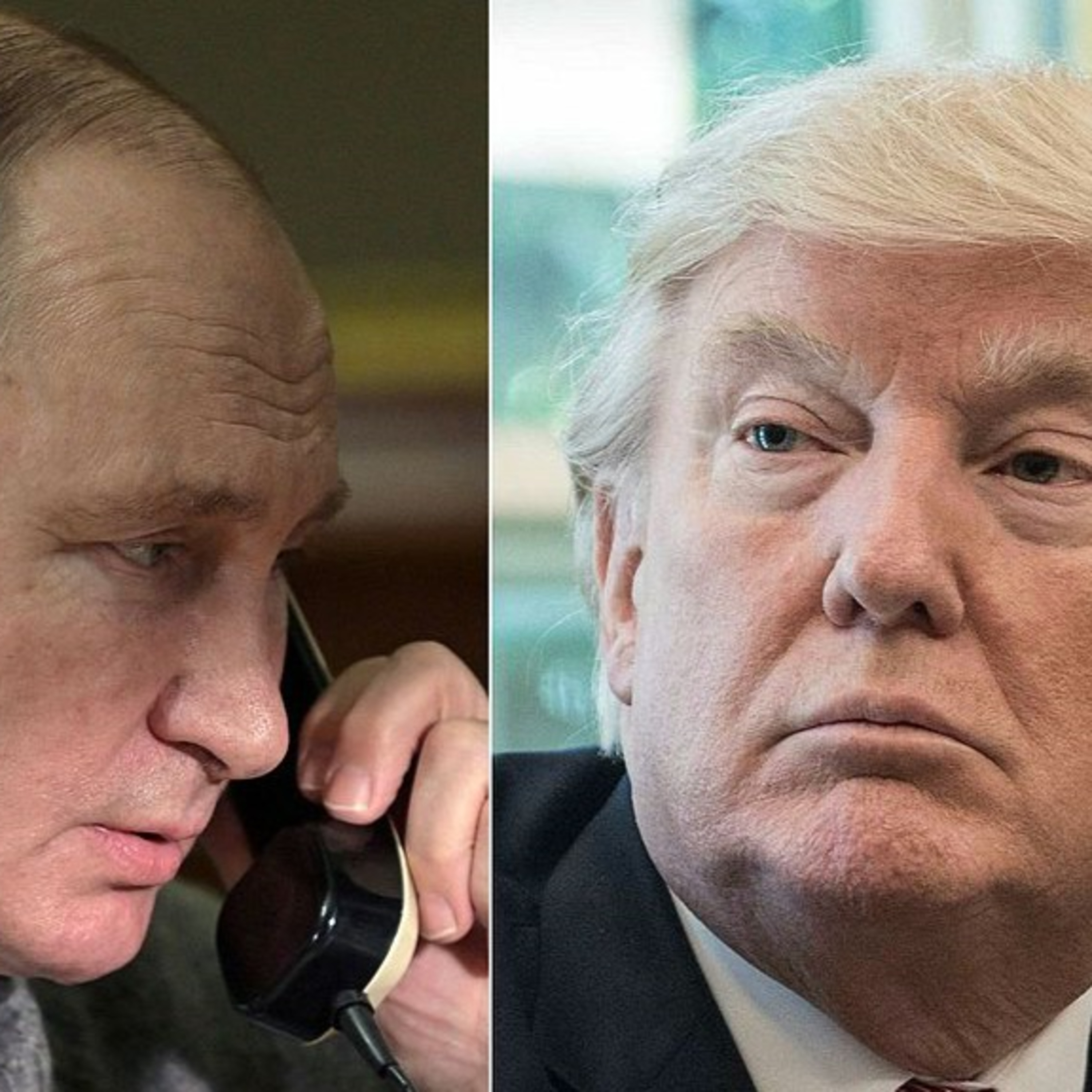
Middle East Tensions Rise | "Epic" Trump-Putin Phone Call | Zionism’s Influence
The conversation delves into the escalating tensions in the Middle East, particularly focusing on the recent ceasefire agreement between the US and Russia, and its implications for Ukraine. The discussion highlights the complexities of international relations, the role of European countries, and the potential for a shift in US foreign policy regarding Zionism and its impact on global geopolitics. In this conversation, Peter and Charles Erickson discuss the complex interplay of political influence, particularly focusing on the Israeli lobby, the deep state, and the implications of Zionism in contemporary politics. They explore the resilience of the deep state, the shifting perspectives on Zionism, and the political maneuvering of figures like Netanyahu. The conversation also touches on the human cost of conflict in Gaza, the risks of escalating tensions with Iran, and the broader implications for U.S. foreign policy.
- The Middle East situation is currently more significant than US-Russia talks.
- The ceasefire agreement is largely symbolic and lacks substantive progress.
- Ukraine's defiance complicates US-Russia negotiations.
- European military support for Ukraine is largely rhetorical and lacks real commitment.
- Trump's administration may seek to improve relations with Russia while sidelining Ukraine.
- Zelensky's demands indicate Ukraine's unwillingness to concede in negotiations.
- The US has significant leverage over Ukraine but may not use it effectively.
- European countries are divided on military involvement in Ukraine.
- Zionism remains a powerful influence in US politics, complicating foreign policy decisions.
- Public sentiment towards Zionism is shifting, potentially impacting future political platforms. The Israeli lobby's influence is significant and pervasive.
- The deep state remains resilient despite challenges.
- Zionism faces increasing skepticism and opposition.
- Wealth does not guarantee independence from political influence.
- Israel is often an exception in political discussions.
- The humanitarian crisis in Gaza is severe and ongoing.
- Netanyahu's actions are politically motivated and self-serving.
- Israeli society is deeply divided over the conflict.
- Military strategies are influenced by public sentiment.
- The potential for war with Iran poses serious risks.
You May Also Like

The Diddy Diaries
Bobby Capucci

ABC News Update
ABC News

All Steelers Talk
All Steelers Talk
Jeffrey Epstein: The Coverup Chronicles
Bobby Capucci

Las noticias de la SER
SER Podcast

Siste nytt fra VG
VG

Kan Hourly News כאן רשת ב חדשות השעה
Mr. Mp3

Čteme vám Seznam Zprávy
Seznam Zprávy

Hintergrund
Deutschlandfunk

NPR News Now
NPR
The Diddy Diaries
Bobby Capucci
ABC News Update
ABC News
All Steelers Talk
All Steelers Talk
Jeffrey Epstein: The Coverup Chronicles
Bobby Capucci
Las noticias de la SER
SER Podcast
Siste nytt fra VG
VG
Kan Hourly News כאן רשת ב חדשות השעה
Mr. Mp3
Čteme vám Seznam Zprávy
Seznam Zprávy
Hintergrund
Deutschlandfunk
NPR News Now
NPR
Community discussion