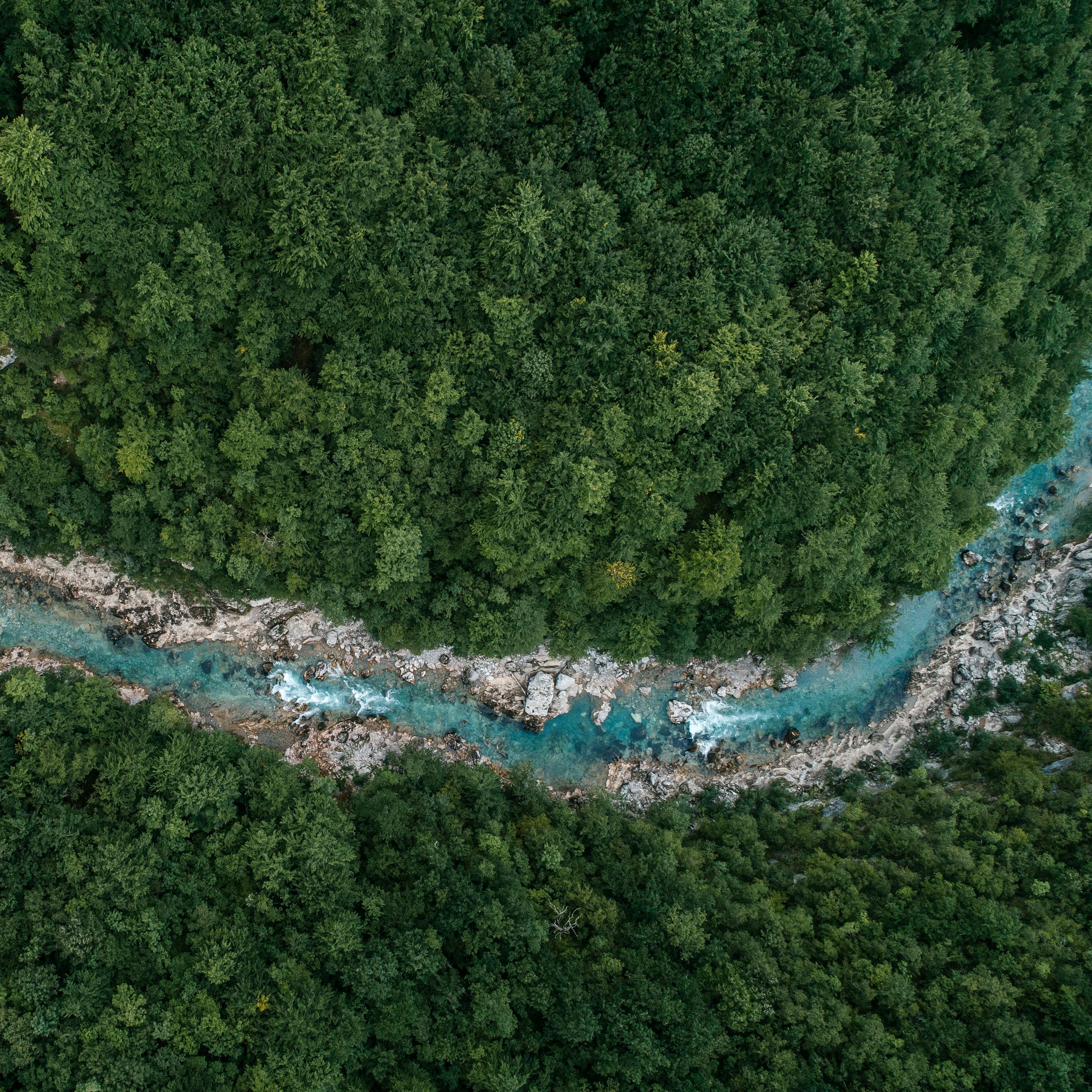
REWIND: Should Nature Have Rights?
If corporations can be legal persons, why can’t Mother Earth? In 2017, New Zealand granted the Whanganui River the full legal rights of a person. India granted full legal rights to the Ganges and Yamuna rivers, and recognized that the Himalayan Glaciers have a right to exist. In 2019, the city of Toledo passed the Lake Erie Bill of Rights with 61 percent of the vote, but then a year later, a federal judge struck it down. As Lindsey Schromen-Wawrin, an attorney who represented Lake Erie, explains, the problem stems from a 500-year history of Western property law. Our legal system grants rights to property owners, but not to property itself. “If we’re treating ecosystems as property, then ultimately, we as property owners have the right to destroy our property and that fundamentally has to change,” Schromen-Wawrin says. Rebecca Tsosie, a law professor focused on Federal Indian law and Indigenous peoples’ human rights, says there are other rights frameworks to consider. “If we go into Indigenous epistemology, many times it’s a relational universe that comes with mutual responsibility.” Guests: Lindsey Schromen-Wawrin, attorney, formerly with the Community Environmental Legal Defense Fund Rebecca Tsosie, Regents Professor of Law at the University of Arizona; Co-Chair, Indigenous Peoples’ Law and Policy Program Carol Van Strum, author of A Bitter Fog, activist Learn more about your ad choices. Visit megaphone.fm/adchoices
You May Also Like

The Grave Talks | Haunted, Paranormal & Supernatural
Ghost Stores, Haunted, Paranormal & Supernatural Stories
UFO Chronicles Podcast
Nik Hunter

Aha! Zehn Minuten Alltags-Wissen
WELT

The Rest Is Science
Goalhanger

サイエントーク
レンとエマ

DarkHorse Podcast
Bret Weinstein & Heather Heying
Filosofía, Psicología, Historias
Hernán Melana

Mundo Insólito Radio
Mundo Insólito Radio

Real Ghost Stories Online
Real Ghost Stories Online | Paranormal, Supernatural & Horror Radio

Tommy Cullum's Let's Get Freaky
Tommy Cullum
The Grave Talks | Haunted, Paranormal & Supernatural
Ghost Stores, Haunted, Paranormal & Supernatural Stories
UFO Chronicles Podcast
Nik Hunter
Aha! Zehn Minuten Alltags-Wissen
WELT
The Rest Is Science
Goalhanger
サイエントーク
レンとエマ
DarkHorse Podcast
Bret Weinstein & Heather Heying
Filosofía, Psicología, Historias
Hernán Melana
Mundo Insólito Radio
Mundo Insólito Radio
Real Ghost Stories Online
Real Ghost Stories Online | Paranormal, Supernatural & Horror Radio
Tommy Cullum's Let's Get Freaky
Tommy Cullum
Community discussion