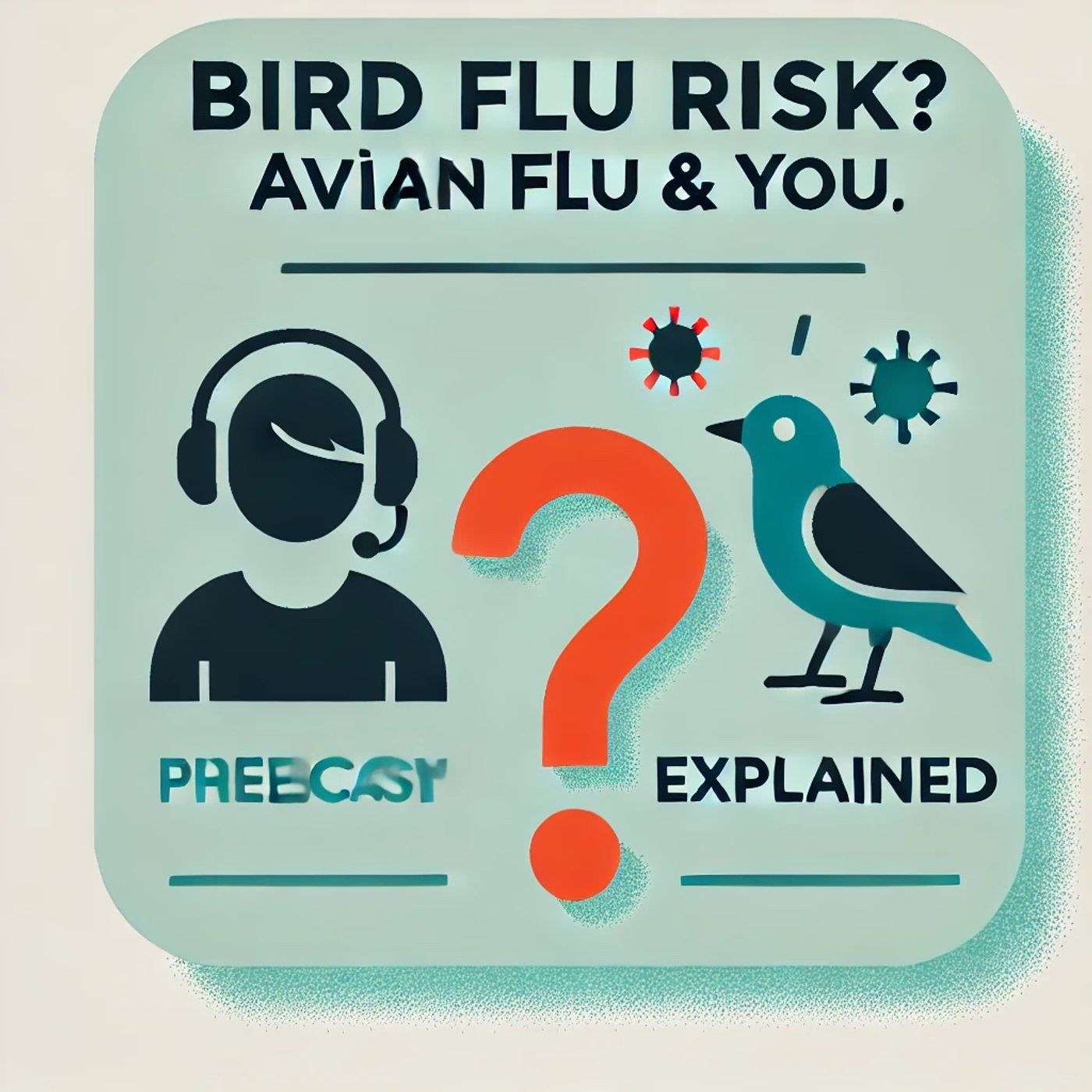
Bird Flu Risk Factors Unveiled: Your Comprehensive Guide to Understanding Avian Influenza Exposure and Personal Safety
Welcome to "Bird Flu Risk? Avian Flu & You, Explained," where we delve into understanding your personal risk related to avian influenza. Let's dive in by considering how different factors like occupation, location, age, and health status play a role in your risk profile. First up, who might be at higher risk? If you work in poultry farming, processing, or veterinary services, your occupation puts you in closer contact with birds. Regular exposure ups the chance, so extra precautions like protective wear are essential. Location also matters. Those living in rural areas near farms or in regions where outbreaks are common should stay informed about local cases. Now, let's talk about age and health. Generally, young children, seniors, and folks with compromised immune systems need to be a bit more cautious. Chronic conditions like heart disease, asthma, or diabetes can heighten susceptibility. Imagine you're in a risk calculator scenario. If you work in an office in an urban setting, rarely visit farms, and have a healthy immune system, your risk is quite low. For you, basic hygiene practices like regular handwashing are usually sufficient. Now, suppose you're a farmer interacting with livestock daily in an area known for outbreaks, and you're over 60. Your scenario suggests taking health checks seriously and perhaps consulting with healthcare providers about vaccines or antiviral meds when necessary. High-risk folks, here's specific guidance for you: avoid unnecessary contact with birds, use protective gear like masks and gloves, and stay updated on flu vaccines. If you're in an outbreak area, consulting public health advice for your locale will offer the best steps forward. For listeners at a lower risk, like office workers in cities, the recommendation is to maintain a routine of good hygiene and stay informed, without panic. A key part of navigating risk is your personal decision-making framework for protective measures. If you know you're in a potentially high-risk category, equipping yourself with masks and knowing when and where to use them is wise. For others, knowing that contracted bird flu cases are rare in low-risk settings can be reassuring and help mitigate undue worry. Knowing when to be vigilant includes being aware of any local calls to restrict bird interactions or hygiene alerts. A heightened awareness when traveling to higher-risk areas helps too. Conversely, if you live where outbreaks are uncommon and aren't routinely close to birds, your regular hygiene habits should suffice, and you can engage with daily life without significant concern. Avian flu is taken seriously by health professionals, but your personal risk varies widely. Understanding and assessing these factors helps you make informed decisions. Remember, in this journey, facts empower better choices and peace of mind. Thanks for listening, stay informed, and take care! This content was created in partnership and with the help of Artificial Intelligence AI
You May Also Like
Jack's Backyard
830 WEEU "The Voice of Berks and Beyond"

Strange Encounters with Rick Burgess
Blaze Podcast Network

Real Ghost Stories Online
Real Ghost Stories Online | Paranormal, Supernatural & Horror Radio

UAP Files Podcast
UAP Files Podcast

The 365 Days of Astronomy
365DaysOfAstronomy.org

The Grave Talks | Haunted, Paranormal & Supernatural
Ghost Stores, Haunted, Paranormal & Supernatural Stories

Trent Loos Podcast
Trent Loos

Farm Small Farm Smart Daily
The Modern Grower Podcast Network

The Best of Coast to Coast AM
iHeartPodcasts and Coast to Coast AM

Stuff To Blow Your Mind
iHeartPodcasts
Jack's Backyard
830 WEEU "The Voice of Berks and Beyond"
Strange Encounters with Rick Burgess
Blaze Podcast Network
Real Ghost Stories Online
Real Ghost Stories Online | Paranormal, Supernatural & Horror Radio
UAP Files Podcast
UAP Files Podcast
The 365 Days of Astronomy
365DaysOfAstronomy.org
The Grave Talks | Haunted, Paranormal & Supernatural
Ghost Stores, Haunted, Paranormal & Supernatural Stories
Trent Loos Podcast
Trent Loos
Farm Small Farm Smart Daily
The Modern Grower Podcast Network
The Best of Coast to Coast AM
iHeartPodcasts and Coast to Coast AM
Stuff To Blow Your Mind
iHeartPodcasts
Community discussion