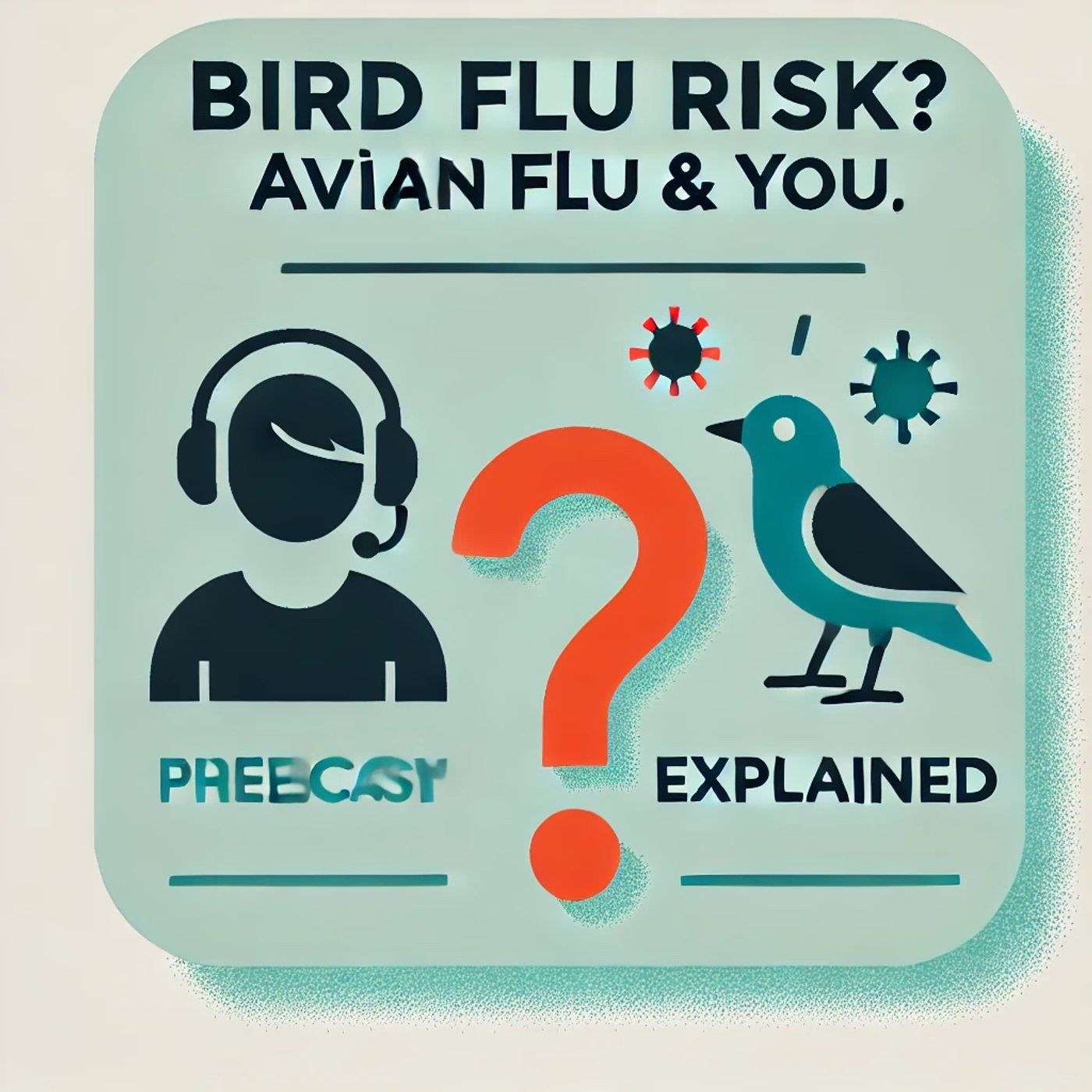
Bird Flu Risk Explained: Your Complete Guide to Understanding Avian Influenza Exposure and Personal Safety
Welcome to "Bird Flu Risk? Avian Flu & You, Explained." Let's explore your individual risk by looking at occupation, location, age, and health status. Bird flu, or avian influenza, may sound scary, but understanding it can help you assess your risk and take appropriate action. First, consider your occupation. If you work directly with birds, such as poultry farmers or veterinarians, your risk is higher due to frequent exposure. Wearing protective gear and practicing good hygiene significantly reduce this risk. On the other hand, if you primarily work indoors or don't interact with birds, your risk is minimal. Location plays a significant role, too. Living in a rural area with poultry farms nearby? You're at a slightly higher chance. Urban residents or those in locations without poultry industries face lower risks. Monitoring local health advisories helps you stay informed about any regional outbreaks. Age and health status are crucial factors. Older adults and those with compromised immune systems tend to be more vulnerable to bird flu. Young children might also be at increased risk due to less mature immune responses. Maintaining good general health, staying up-to-date with vaccinations, and consulting healthcare providers offer protection and peace of mind. Let's walk through a few scenarios with a "risk calculator" narrative. Imagine a 45-year-old healthy urban office worker. This individual is at a very low risk of contracting bird flu. Now, consider a 60-year-old rural poultry farmer with a chronic health condition. This person should exercise caution, stay vigilant during outbreaks, and consult with health authorities for proper precautions. For high-risk individuals like poultry workers or those with compromised immune systems, it’s important to wear masks and gloves when around birds, ensure vaccinations are current, and follow health department guidelines if an outbreak occurs. Consulting a healthcare provider for personalized advice offers additional reassurance. For low-risk individuals, it’s vital to keep concern in context. Most urban dwellers or those without direct contact with poultry are unlikely to encounter bird flu. General good practices like handwashing and maintaining overall health go a long way in reducing risks. When deciding on protective measures, consider your personal circumstances. For most people, standard hygiene practices suffice. Pay attention to health advisories and be prepared to adopt extra measures if an outbreak emerges in your area. Vigilance is key — but so is balance. During an avian flu outbreak nearby, keep informed and follow health guidelines. When outbreaks aren't reported, it's reasonable to go about daily life without undue worry. Understanding these nuances helps you make informed decisions and reduces anxiety. Remember, bird flu risk varies based on occupation, location, age, and health. Most listeners remain at low risk, and basic precautions are usually sufficient. Stay informed, healthy, and prepared—without letting fear take flight. This content was created in partnership and with the help of Artificial Intelligence AI
You May Also Like

Il podcast di Piergiorgio Odifreddi: Lezioni e Conferenze.
Vito Rodolfo Albano

Eye On The Sky
Vermont Public
Bir Aile Meselesi
Bir Aile Meselesi

The Grave Talks | Haunted, Paranormal & Supernatural
Ghost Stores, Haunted, Paranormal & Supernatural Stories

The Dissenter
Ricardo Lopes

Глобальный доступ на рынок медицинских изделий
Pure Global

Vida Eterna. Respuestas desde la Ciencia | Dr. Manuel Sans Segarra
Dr. Manuel Sans Segarra

Oncology Today with Dr Neil Love
Dr. Neil Love

Forschung aktuell
Deutschlandfunk

Soxbo & Sundh
Maria Soxbo & Emma Sundh
Il podcast di Piergiorgio Odifreddi: Lezioni e Conferenze.
Vito Rodolfo Albano
Eye On The Sky
Vermont Public
Bir Aile Meselesi
Bir Aile Meselesi
The Grave Talks | Haunted, Paranormal & Supernatural
Ghost Stores, Haunted, Paranormal & Supernatural Stories
The Dissenter
Ricardo Lopes
Глобальный доступ на рынок медицинских изделий
Pure Global
Vida Eterna. Respuestas desde la Ciencia | Dr. Manuel Sans Segarra
Dr. Manuel Sans Segarra
Oncology Today with Dr Neil Love
Dr. Neil Love
Forschung aktuell
Deutschlandfunk
Soxbo & Sundh
Maria Soxbo & Emma Sundh
Community discussion