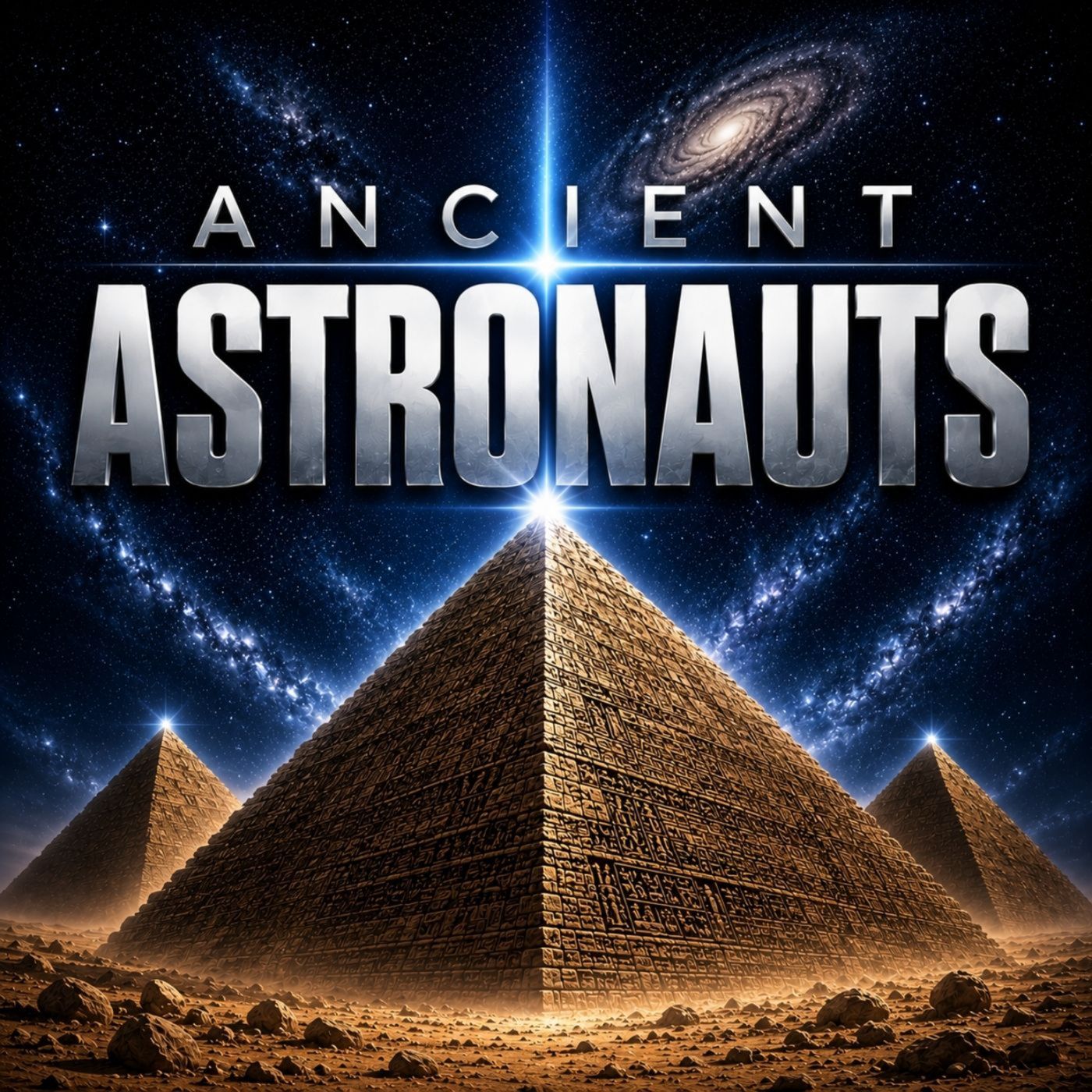
The Dogon Star Mystery: Did an African Tribe Know About Sirius B Before Modern Astronomy?
In the Bandiagara region of Mali, Dogon communities maintain rich and varied religious traditions shaped by ritual, oral teaching, history, and centuries of cultural exchange. In 1950, French ethnologists Marcel Griaule and Germaine Dieterlen published an account of Sirius-related teachings they attributed to four named Dogon informants: Ongnonlou Dolo, Innekouzou Dolo, Yébéné, and Manda.
Their report described a Sirius-associated object that appeared small, heavy, difficult to see, and linked to a long cycle often compared with the orbit of Sirius B, the dense white-dwarf companion of Sirius A. The resemblance became one of the most famous claims in ancient-astronaut literature after Robert Temple argued that Dogon traditions about the Nommo preserved memories of contact with beings associated with Sirius.
But Sirius B had already been inferred by European astronomers in 1844 and observed through a telescope in 1862. That shifts the question. Did Dogon religious specialists preserve an older body of astronomical knowledge, or did modern science enter a living oral tradition through colonial contact, travelers, schools, scientific expeditions, or the ethnographic encounter itself?
Later fieldwork by Walter van Beek failed to recover the Sirius system as a widespread Dogon belief, yet critics argued that restricted ritual knowledge cannot always be easily replicated. The astronomy is established. The origin of the reported knowledge remains contested.
This podcast uses artificial intelligence in its research, writing, production, and narration. Episodes are editorially reviewed before publication.
#AncientAstronauts #AncientAstronautsArchaeoastronomyContestedIndige #DogonSiriusB #PoTolo #Nommo
YES OR NO: Did ancient contact or lost advanced knowledge play a role in the Dogon Sirius tradition???????
Explore more original podcasts from the Forbidden Knowledge Network at www.FKNpods.com.
You May Also Like

Voices from the Field
NCCIH-CCNSA
Worship & Wonder Daily Devotional
Westminster Presbyterian Church
Scrolls & Secrets
Scrolls & Secrets

AZense Guideline Updates
Azense Medical Education

Renascença - Pergunte ao Pe. Paulo Franco
Renascença
Darrers podcast - Ràdio Cubelles
Ràdio Cubelles

Defected Records
Defected Records

Darrers podcast - Ràdio Ciutat de Badalona
Ràdio Ciutat de Badalona

CHURCH on SermonAudio
Various Speakers

FLASH Recordings
FLASH Recordings
Voices from the Field
NCCIH-CCNSA
Worship & Wonder Daily Devotional
Westminster Presbyterian Church
Scrolls & Secrets
Scrolls & Secrets
AZense Guideline Updates
Azense Medical Education
Renascença - Pergunte ao Pe. Paulo Franco
Renascença
Darrers podcast - Ràdio Cubelles
Ràdio Cubelles
Defected Records
Defected Records
Darrers podcast - Ràdio Ciutat de Badalona
Ràdio Ciutat de Badalona
CHURCH on SermonAudio
Various Speakers
FLASH Recordings
FLASH Recordings
Community discussion