812: How Can Iowa’s Agriculture Adapt To Climate Threats?
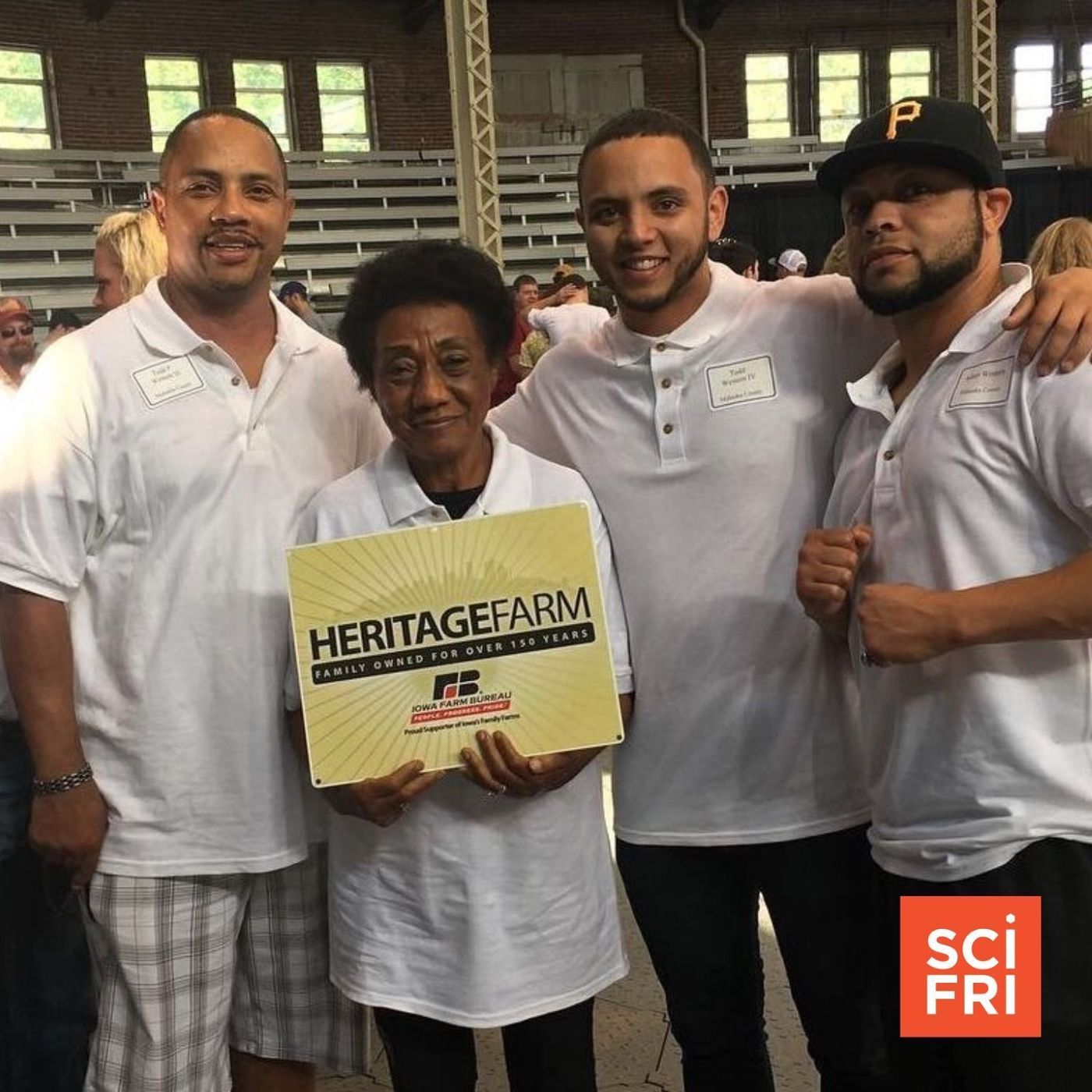
Climate change is having a profound effect on agriculture. Farmers over the past decade have faced intensifying drought and heat stress on crops, leading many to wonder, what will agriculture look like 50 years from now? In May, at SciFri Live at Iowa State University in Ames, Iowa, Ira Flatow discussed the future of agriculture, and potential solutions to these problems, from innovative farming techniques, to ensuring that Iowa’s farmers of color have the resources they need to succeed. He was joined by Todd Western III, a sixth-generation Iowan farmer with Western Family Farms and senior donor advisor at Greater Twin Cities United Way, and Dr. Patrick Schnable, a distinguished professor at Iowa State University and co-founder of Dryland Genetics. Transcripts for each segment will be available after the show airs on .Subscribe to this podcast. Plus, to stay updated on all things science, sign up for Science Friday's newsletters.
99% of people are being fed 'pop-science' garbage.
If you want the real intelligence without the digital tracking, you just found the exit. Bypass the system noise now.
🔴 INITIALIZE SECURE DOWNLOAD
⚪ GET THE UNFILTERED ARCHIVE
99% of people are being fed 'pop-science' garbage.
If you want the real intelligence without the digital tracking, you just found the exit. Bypass the system noise now.
🔴 INITIALIZE SECURE DOWNLOAD
⚪ GET THE UNFILTERED ARCHIVE
You May Also Like

Vedanta Cast
Jonas Masetti

Mundo Insólito Radio
Mundo Insólito Radio

This Week in Microbiology
Vincent Racaniello

Real Ghost Stories Online
Real Ghost Stories Online | Paranormal, Supernatural & Horror Radio

The Grave Talks | Haunted, Paranormal & Supernatural
Ghost Stores, Haunted, Paranormal & Supernatural Stories

Head Shepherd
Mark Ferguson

Accès au Marché Mondial des Dispositifs Médicaux
Pure Global

Vida Eterna. Respuestas desde la Ciencia | Dr. Manuel Sans Segarra
Dr. Manuel Sans Segarra

John Michael Godier's Event Horizon
John Michael Godier
The Climate Question
BBC World Service
Vedanta Cast
Jonas Masetti
Mundo Insólito Radio
Mundo Insólito Radio
This Week in Microbiology
Vincent Racaniello
Real Ghost Stories Online
Real Ghost Stories Online | Paranormal, Supernatural & Horror Radio
The Grave Talks | Haunted, Paranormal & Supernatural
Ghost Stores, Haunted, Paranormal & Supernatural Stories
Head Shepherd
Mark Ferguson
Accès au Marché Mondial des Dispositifs Médicaux
Pure Global
Vida Eterna. Respuestas desde la Ciencia | Dr. Manuel Sans Segarra
Dr. Manuel Sans Segarra
John Michael Godier's Event Horizon
John Michael Godier
The Climate Question
BBC World Service
Community discussion