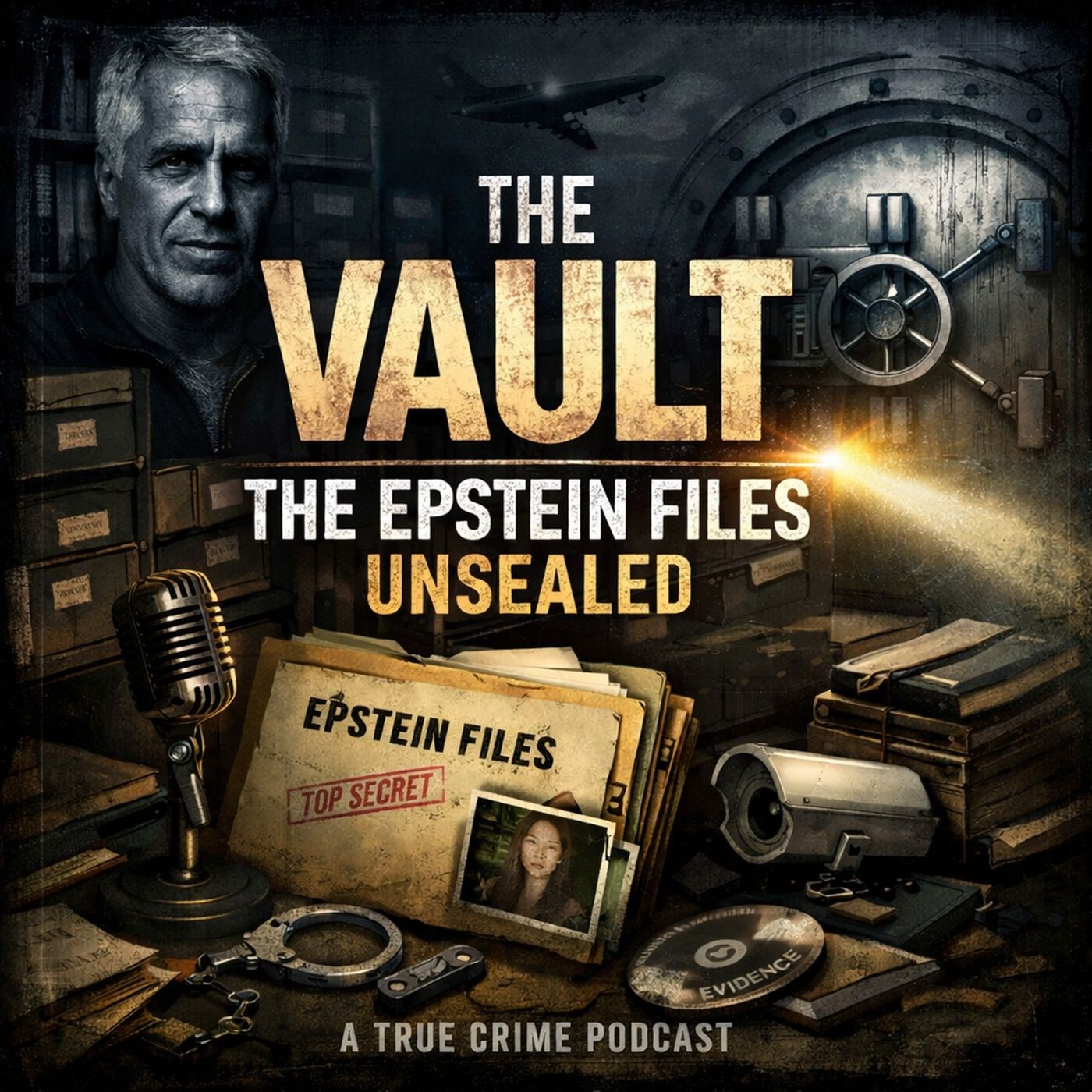
Mega Edition: When It Comes To Jeffrey Epstein, Who Investigates The Investigators? (10/6/26)
The Jeffrey Epstein story has always been defined as much by failures of accountability as by the crimes themselves. In Florida, investigators developed extensive evidence that Epstein had sexually abused underage girls, yet the federal investigation ended with an extraordinary 2007 non-prosecution agreement that allowed him to avoid federal charges, protected unnamed potential co-conspirators and resulted in a comparatively lenient state plea and work-release arrangement. Victims were not properly informed before the agreement was finalized, setting off years of litigation over whether their rights had been violated. When Epstein was arrested again in 2019, prosecutors described conduct that raised obvious questions about how much of his network had ever been seriously investigated, but his death in federal custody weeks later ensured that the central defendant would never stand trial. Ghislaine Maxwell was eventually prosecuted and convicted, but the broader circle of people who allegedly facilitated, enabled, financed or ignored Epstein’s conduct largely avoided criminal accountability. The pattern repeatedly left survivors confronting the same question: why did authorities seem capable of documenting Epstein’s abuse without ever fully dismantling the system around him?
That accountability gap extended beyond prosecutors. Banks continued doing business with Epstein despite obvious reputational and compliance concerns, universities and elite institutions accepted his money or maintained relationships with him, powerful associates continued meeting with him after his conviction, and law-enforcement agencies repeatedly faced questions about what they knew and why more was not done. Civil lawsuits later exposed significant information about financial institutions, employees and associates that criminal investigations had never fully developed in public, while congressional oversight and document battles continued years after Epstein’s death. Even investigations into the original prosecution produced criticism without creating anything resembling a complete reckoning for how the case was handled. The result has been a decades-long pattern in which individual pieces of the Epstein story were investigated, litigated or exposed, but the entire structure was rarely confronted at once. Epstein himself was prosecuted twice, Maxwell was convicted, banks paid massive settlements, and institutions suffered reputational damage, yet the central accountability problem remained: the system repeatedly dealt with fragments of the operation while leaving the larger network, the enabling infrastructure and the decisions that protected it only partially examined.
to contact me:
[email protected]
That accountability gap extended beyond prosecutors. Banks continued doing business with Epstein despite obvious reputational and compliance concerns, universities and elite institutions accepted his money or maintained relationships with him, powerful associates continued meeting with him after his conviction, and law-enforcement agencies repeatedly faced questions about what they knew and why more was not done. Civil lawsuits later exposed significant information about financial institutions, employees and associates that criminal investigations had never fully developed in public, while congressional oversight and document battles continued years after Epstein’s death. Even investigations into the original prosecution produced criticism without creating anything resembling a complete reckoning for how the case was handled. The result has been a decades-long pattern in which individual pieces of the Epstein story were investigated, litigated or exposed, but the entire structure was rarely confronted at once. Epstein himself was prosecuted twice, Maxwell was convicted, banks paid massive settlements, and institutions suffered reputational damage, yet the central accountability problem remained: the system repeatedly dealt with fragments of the operation while leaving the larger network, the enabling infrastructure and the decisions that protected it only partially examined.
to contact me:
[email protected]
You May Also Like

Worship & Wonder Daily Devotional
Westminster Presbyterian Church

Scrolls & Secrets
Scrolls & Secrets

Renascença - Pergunte ao Pe. Paulo Franco
Renascença

Darrers podcast - Ràdio Cubelles
Ràdio Cubelles

Darrers podcast - Ràdio Ciutat de Badalona
Ràdio Ciutat de Badalona

CHURCH on SermonAudio
Various Speakers

Church Unity: The Forgotten Treasure
Paul J. Bucknell

Unter Büchern mit Katrin Schumacher
Mitteldeutscher Rundfunk

Podcast Paris United
Paris United
Baptists on SermonAudio
Various Speakers
Worship & Wonder Daily Devotional
Westminster Presbyterian Church
Scrolls & Secrets
Scrolls & Secrets
Renascença - Pergunte ao Pe. Paulo Franco
Renascença
Darrers podcast - Ràdio Cubelles
Ràdio Cubelles
Darrers podcast - Ràdio Ciutat de Badalona
Ràdio Ciutat de Badalona
CHURCH on SermonAudio
Various Speakers
Church Unity: The Forgotten Treasure
Paul J. Bucknell
Unter Büchern mit Katrin Schumacher
Mitteldeutscher Rundfunk
Podcast Paris United
Paris United
Baptists on SermonAudio
Various Speakers
Community discussion