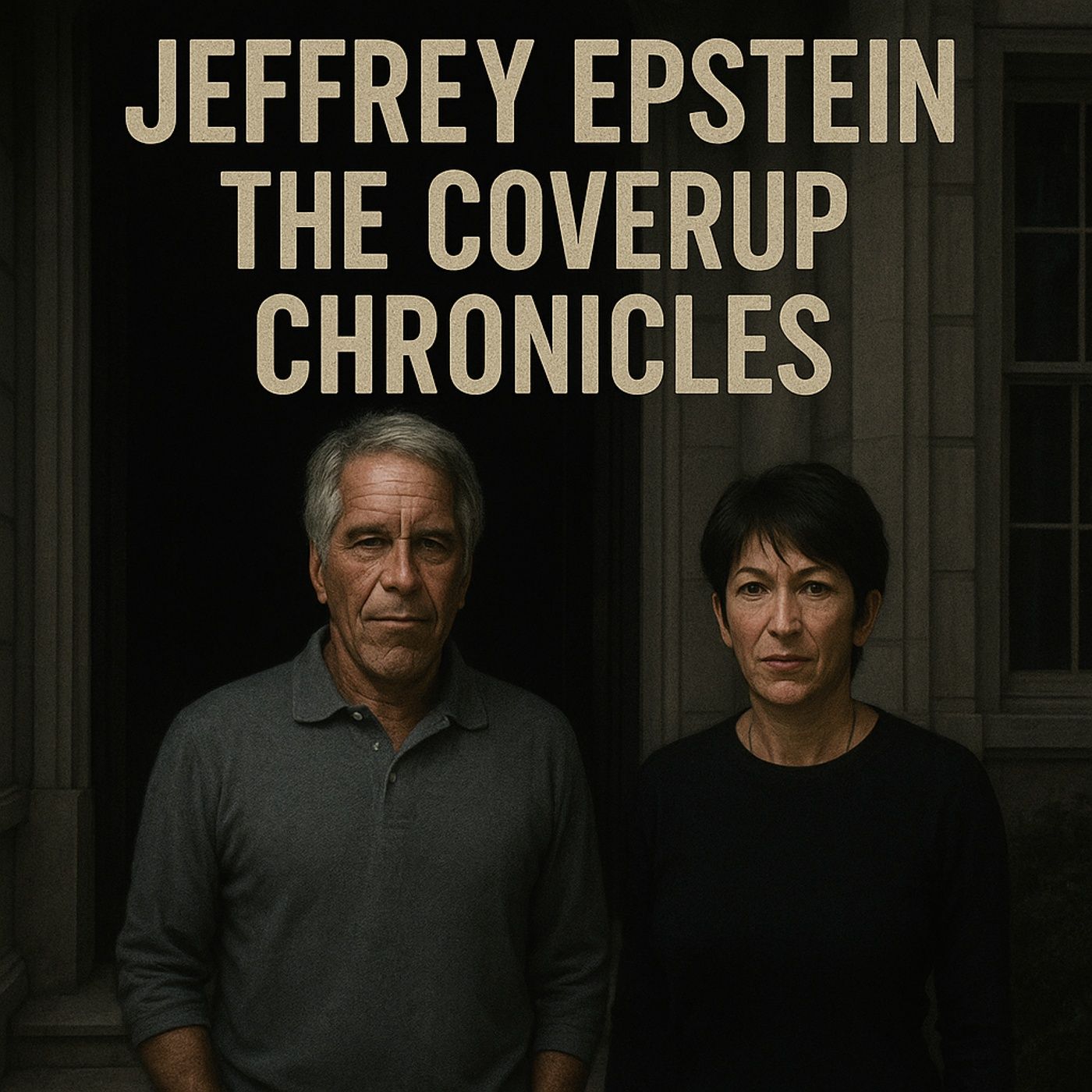
Mega Edition: The DOJ And The Controlled Demolition Known As The Epstein Scandal (10/10/26)
For years, the FBI and Justice Department have faced criticism for repeatedly narrowing the scope of the Epstein investigation in ways that limited exposure for the people and institutions around him. The pattern began with the 2007–2008 non-prosecution agreement in Florida, which resolved Epstein’s federal exposure without a broader public accounting of potential co-conspirators, and continued after his 2019 arrest, when the case again centered overwhelmingly on Epstein himself and later Ghislaine Maxwell. Critics have pointed to the absence of a sprawling financial, racketeering or conspiracy prosecution, the limited public explanation of investigative decisions, the withholding and redaction of records, and the government’s insistence that there was no definitive “client list” or broader prosecutable roster despite years of evidence showing Epstein operated through a large network of employees, financiers, recruiters, lawyers and powerful associates. The result has been a recurring perception that federal authorities treated Epstein as an isolated criminal problem rather than as the center of a system whose full reach might implicate influential people and institutions.
That perception has only deepened as congressional investigators, civil litigants, journalists and survivors have forced additional records into public view. Internal FBI reports, banking evidence, sealed depositions, financial records and witness testimony have repeatedly shown that the Epstein story extended far beyond one man and one accomplice, yet federal authorities have often released material piecemeal, resisted disclosure, or defended redactions and withholding decisions in court. The criticism is not that every person in Epstein’s orbit committed a crime, but that the government has too often appeared more interested in containing institutional and reputational fallout than in publicly testing the full network against the evidence. By keeping the investigative frame narrow, controlling document releases and avoiding a broader accounting of who enabled, financed, facilitated or ignored Epstein’s conduct, the FBI and DOJ have left the impression that the priority was not to follow every thread to its end, but to keep the blast radius manageable.
to contact me:
[email protected]
You May Also Like

Hintergrund
Deutschlandfunk

Noticentro
Audio Centro

24/7 News: The Latest
iHeartPodcasts and TTWN

True Crime Today | Daily True Crime News & Interviews
Real Story Media

Article | America Out Loud News
Article | America Out Loud News

Fin de Semana
COPE

Kan Hourly News כאן רשת ב חדשות השעה
Mr. Mp3

The Diddy Diaries
Bobby Capucci

Fox News Hourly Update
FOX News Podcasts

ABC News Update
ABC News
Hintergrund
Deutschlandfunk
Noticentro
Audio Centro
24/7 News: The Latest
iHeartPodcasts and TTWN
True Crime Today | Daily True Crime News & Interviews
Real Story Media
Article | America Out Loud News
Article | America Out Loud News
Fin de Semana
COPE
Kan Hourly News כאן רשת ב חדשות השעה
Mr. Mp3
The Diddy Diaries
Bobby Capucci
Fox News Hourly Update
FOX News Podcasts
ABC News Update
ABC News
Community discussion