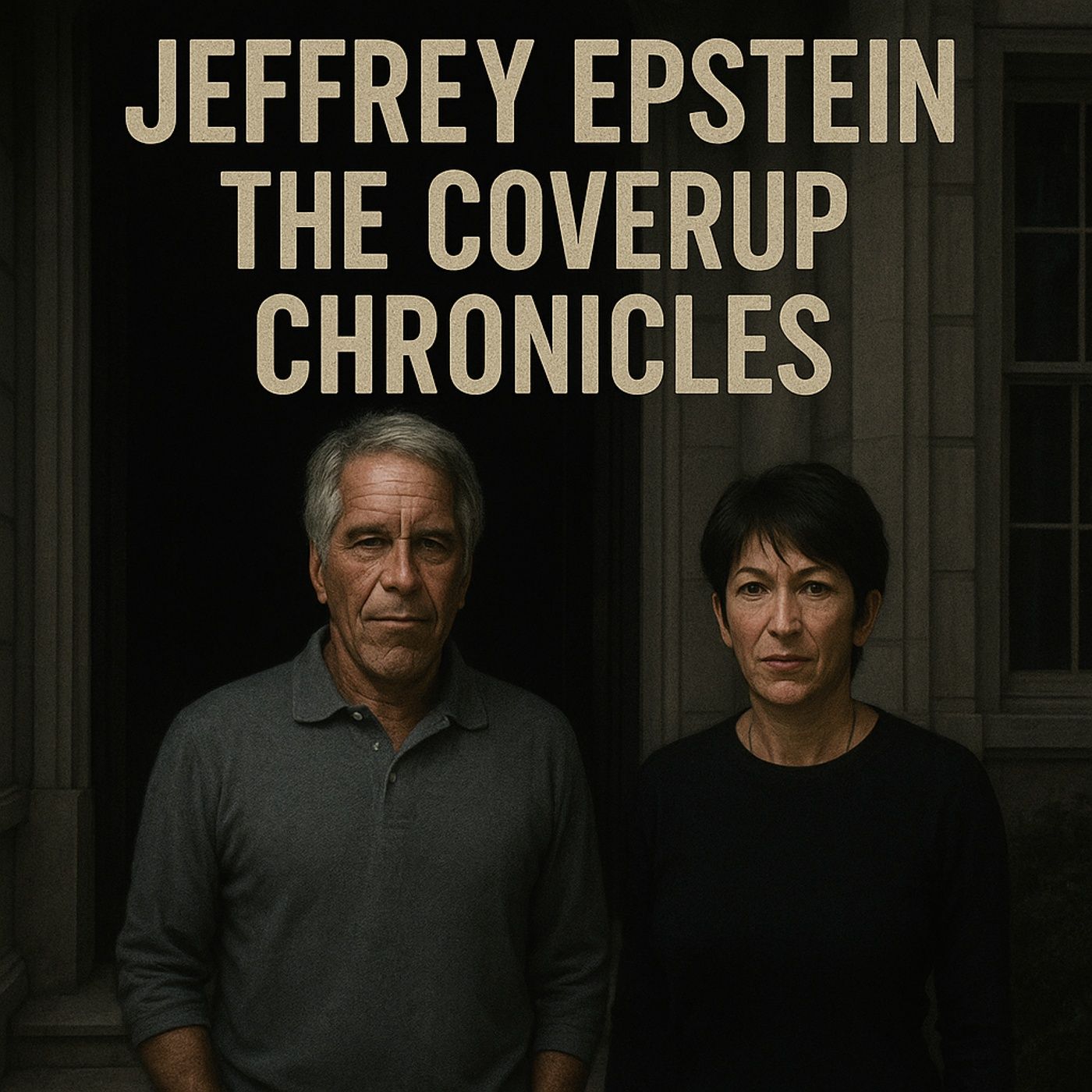
Ghislaine Maxwell’s 2002 Citizenship and the Federal Law Governing Denaturalization (Part 3) (10/5/26)
Ghislaine Maxwell’s American citizenship could potentially be challenged under federal denaturalization law, not simply because she was later convicted of serious crimes, but because some of the conduct underlying those convictions occurred before she became a U.S. citizen in 2002. Under 8 U.S.C. §1451, citizenship can be revoked if it was illegally procured or obtained through concealment of a material fact or willful misrepresentation. Maxwell’s naturalization paperwork reportedly included negative answers to questions asking whether she had ever committed a crime for which she had not been arrested and whether she had procured anyone for prostitution. Her later federal conviction included conduct dating to 1997, years before she naturalized. That creates a concrete legal question: whether she knowingly concealed disqualifying conduct and whether truthful disclosure would have affected her eligibility for citizenship or triggered an investigation that would have exposed it.
The theory is strengthened by recent and historical denaturalization cases in which the Justice Department stripped or sought to strip citizenship from people whose serious pre-naturalization crimes were discovered or adjudicated years later. Courts have revoked citizenship where applicants concealed sexual abuse, child exploitation, fraud, and other serious misconduct that predated naturalization. Maxwell’s case would still require DOJ to prove materiality, willfulness, and legal ineligibility under the standards set by the Supreme Court, and denaturalization would not be automatic. But because she retained British and French citizenship, losing U.S. citizenship would not leave her stateless, and it could eventually expose her to removal proceedings after she completes her federal sentence. The core question is therefore not whether Maxwell deserves to lose citizenship, but whether she was legally entitled to receive it in the first place.
to contact me:
[email protected]
You May Also Like

Asmongold TV
Asmongold TV

Ptám se já, Marie Bastlová
Seznam Zprávy

WSJ What’s News
The Wall Street Journal

Playlist News : les meilleurs podcasts d'actualité
Acast France

Herrera en COPE
COPE

The Political Scene | The New Yorker
The New Yorker

Las noticias de la SER
SER Podcast

SBS Vietnamese - SBS Việt ngữ
SBS

DW News Brief
DW

SignalsAZ.com Prescott News Podcast
Talking Glass Media, LLC
Asmongold TV
Asmongold TV
Ptám se já, Marie Bastlová
Seznam Zprávy
WSJ What’s News
The Wall Street Journal
Playlist News : les meilleurs podcasts d'actualité
Acast France
Herrera en COPE
COPE
The Political Scene | The New Yorker
The New Yorker
Las noticias de la SER
SER Podcast
SBS Vietnamese - SBS Việt ngữ
SBS
DW News Brief
DW
SignalsAZ.com Prescott News Podcast
Talking Glass Media, LLC
Community discussion