
Monday of the Fifth Week of Lent (Year A & B) - Mercy Fulfills All Justice
Read Online
“Teacher, this woman was caught in the very act of committing adultery. Now in the law, Moses commanded us to stone such women. So what do you say?” John 8:4–5
Justice has to be fulfilled. God is perfectly Just. That is why, in the Old Testament, capital punishment was prescribed for serious sins. Sometimes the Old Testament can be difficult to understand, particularly in relation to capital punishment. The Torah, the first five books of the Old Testament, prescribes the death penalty for sins such as adultery, other sexual offenses, blasphemy, idolatry, gravely dishonoring parents, violations of the Sabbath, murder, sacrilege, perjury, and witchcraft. These laws were intended to preserve the holiness of God’s people and to emphasize the gravity of sin, which disrupts their covenantal relationship with God.
Jesus’ approach to these sins appears to be in stark contrast with the Old Testament laws, as is evident in His merciful treatment of the woman caught in adultery. This is because Jesus reveals the fuller meaning behind these laws: to lead sinners to repentance and conversion. Jesus came not to abolish the Old Law but to fulfill it (cf. Matthew 5:17).
Adultery, like other grave violations of God’s Law, demands justice. In today’s Gospel, we see how Jesus fulfills the Old Testament law against adultery, and by extension, every other grave offense against God. He does not downplay the seriousness of the sin; rather, He fulfills justice by offering mercy and forgiveness, while calling the sinner to conversion and repentance. This is the deeper purpose of the Law of Moses—not mere punishment, but the transformation of the heart toward God.
Both the Old Law and the New Law of grace and mercy place high moral demands on believers. Yet, the New Law brings to completion the intent of the Old Law. Jesus’ merciful treatment of sinners does not abolish the need for justice but fulfills it in a new and profound way.
But what about the death penalty? Doesn’t justice still need to be fulfilled, as required by God in the Torah? Indeed, and this is precisely why Jesus died—to fulfill all justice. He took upon Himself the penalty for sin, including the capital punishment that was due for grave offenses, thereby restoring justice on behalf of all humanity. Once justice is fulfilled through His sacrifice and sin is repented of, conversion becomes possible. This is the true intent of God’s every law, both old and new—to lead sinners to repentance, restoration, and ultimately, salvation.
Though the poor woman in today’s Gospel was humiliated and afraid, we must see ourselves—and every other person—in her. We are all guilty of sins deserving of death, but Jesus, in His mercy, has taken that punishment upon Himself. Jesus’ statement to the scribes and Pharisees who wanted to stone her illustrates this fact: “Let the one among you who is without sin be the first to throw a stone at her” (John 8:7). We have no right to condemn another who is sorrowful and repentant because God is merciful and has paid the price for that person’s sins by His own blood. In fact, we have no right to condemn ourselves when God offers mercy, so long as we repent and convert.
Reflect today on this sinful woman and rejoice in Jesus’ mercy that fulfills all justice. Know that this is how He treats you; He calls you to treat others with the same mercy. His sacrifice has already restored justice on your behalf; all He asks of you is your trust, repentance, and willingness to forgive others. Hope is possible for us all, just like it was for this sinful woman, because Jesus paid the price of sin. Be open to that gift of mercy and offer it to others, knowing that Christ’s Passion and death have fulfilled the demand for justice for sin.
You May Also Like

Let the Bible Speak Radio
Dr. Alan Cairns

Charles Stanley Sermons
WatchersPod
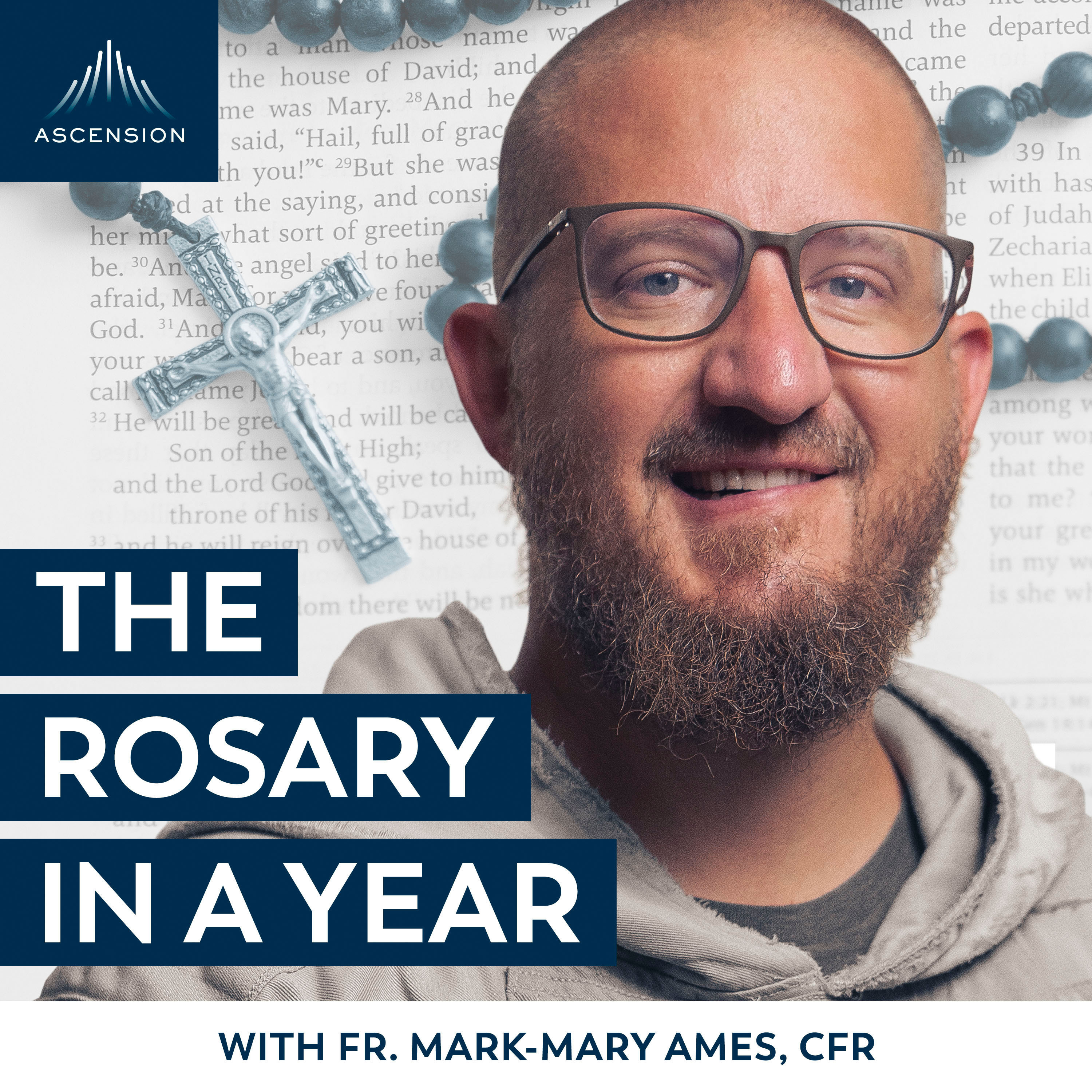
The Rosary in a Year (with Fr. Mark-Mary Ames)
Ascension

Greg Laurie: A New Beginning
Greg Laurie

A Rosary Companion
The Communion of Saints

Reformed Forum
Reformed Forum

The Bible Project Daily Podcast
Pastor Jeremy R McCandless

Daily Readings by Wild at Heart
John Eldredge

Quazi Johir
Quazi Johir

Harvest Chapel International - Kumasi
HARVEST CHAPEL INT. - KUMASI
Let the Bible Speak Radio
Dr. Alan Cairns
Charles Stanley Sermons
WatchersPod
The Rosary in a Year (with Fr. Mark-Mary Ames)
Ascension
Greg Laurie: A New Beginning
Greg Laurie
A Rosary Companion
The Communion of Saints
Reformed Forum
Reformed Forum
The Bible Project Daily Podcast
Pastor Jeremy R McCandless
Daily Readings by Wild at Heart
John Eldredge
Quazi Johir
Quazi Johir
Harvest Chapel International - Kumasi
HARVEST CHAPEL INT. - KUMASI
Community discussion